
Understanding Sciatica Pain
Sciatica pain can significantly impact your comfort, especially when sitting on the couch. It can be frustrating to constantly shift positions in search of relief. However, there are effective strategies to help you sit comfortably without exacerbating your sciatica symptoms.
How to Sit Comfortably on the Couch
When sitting on the couch, many people tend to lean back into the backrest, creating a gap between the lower back and the couch. This position can lead to discomfort and pain, especially for those suffering from sciatica. Instead of slouching or sitting upright in an uncomfortable way, consider these methods:
Using Pillows for Support
One simple solution is to use a pillow to fill the gap between your lower back and the couch. By placing a pillow behind your back, you can lean back and relax while maintaining spinal support. This technique helps create a smooth curve in your lower back, preventing hyperextension at the L4-L5 or L5-S1 segments, which are commonly associated with sciatica pain.
Utilizing an Ottoman
If you find that a pillow is not enough or if you have shorter legs, incorporating an ottoman can be beneficial. An ottoman allows you to sit at a 90° angle with your hips and spine aligned. This position helps maintain a healthy curve in your lower back and supports your spine effectively.
Adjusting Your Leg Position
If you still experience discomfort while sitting, try bending your knees. This slight adjustment can create more flexion in the lower segments of your back, allowing for greater comfort. Whether sitting upright or reclining, bending your knees can help ease the pressure on your sciatic nerve.
Standing Up from the Couch
Standing up from the couch can be challenging, especially if you’re sitting back deeply into the cushions. Here are some steps to make this process easier:
Scooting Forward
Start by scooting to the front edge of the couch. This position is more stable and allows you to leverage your body weight effectively when standing.
Leaning Forward
As you prepare to stand, lean your body forward. This action shifts your weight over your feet, making it easier to lift your bottom off the couch. Remember to keep your knees turned out to engage your glutes, which will assist in the standing process.
Hips Up, Knees Straight
To stand, push your hips back underneath you while squeezing your glutes. This technique not only helps you rise but also minimizes discomfort in your lower back. By following this method, you can stand up without straining your spine.
Conclusion
By integrating these techniques, you can significantly improve your comfort while sitting on the couch and reduce the likelihood of sciatica pain. Remember, maintaining proper alignment and supporting your lower back are key factors in managing sciatica. If you continue to experience pain or discomfort, consider consulting with a healthcare professional for personalized guidance.
For further tips to relieve sciatica, check out my book The Over 50 Sciatica Solution.
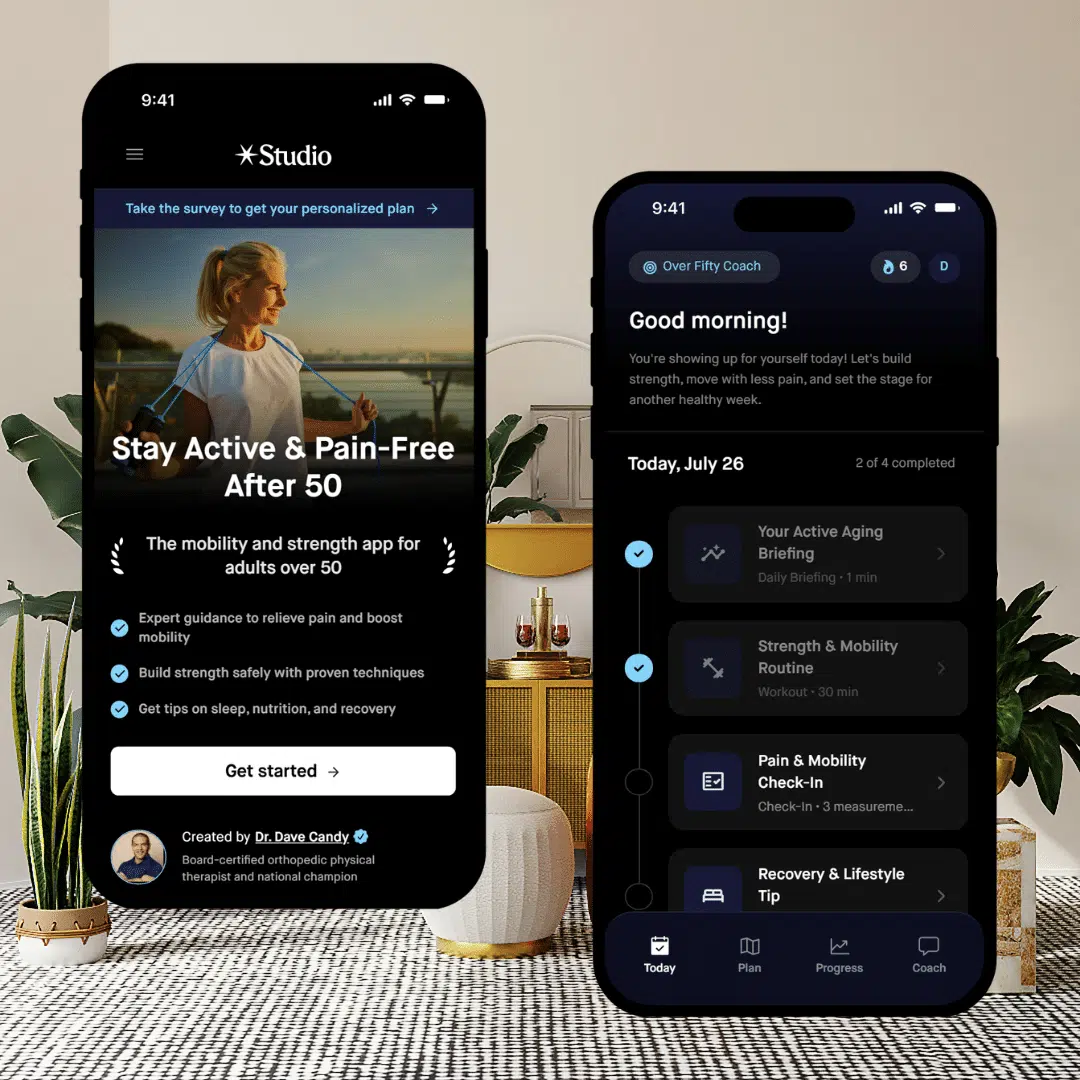
Need Help To Stay Strong and Mobile After 50?
Affiliate Disclosure: This post contains affiliate links to Amazon and/or other sites. While I only recommend products that I trust, as an Amazon Associate, I earn commission from qualifying purchases at no extra cost to you.
Medical Disclaimer: The content on this site is for educational and informational purposes only and is not intended as medical advice. Always consult with a qualified healthcare professional before beginning any new exercise program, diet, or supplement regimen, especially if you have pre-existing health conditions.