
Understanding Sciatica
Sciatica can be a debilitating condition, especially for those over 50. While walking is often recommended as a means to alleviate sciatica pain, it can paradoxically exacerbate discomfort for many. Fortunately, there are effective strategies to help you walk more comfortably and reduce sciatica symptoms.
Tip 1: Take Shorter Steps
Long strides can pull your spine into extension, which may narrow the spaces where the sciatic nerve exits the spine. To relieve sciatica when walking, focus on taking shorter steps. This adjustment helps maintain a more neutral spinal position, reducing strain on the nerve.
Tip 2: Keep Your Core Tight
Engaging your core and leaning slightly forward can enhance your walking posture. By keeping your core tight and leaning forward, you can take longer strides without hyperextending your spine. This combination not only promotes better alignment but also helps in minimizing pain.
Tip 3: Push Instead of Pulling
Many people instinctively pull themselves forward using the heel of their front leg, which can tension the sciatic nerve. Instead, think about pushing off with your back leg. This encourages hip extension rather than spinal extension, which can significantly decrease sciatica pain while walking.
Tip 4: Use Arm Positioning
If sciatica affects only one side, raising the arm on the painful side can help offload the spine. This position stretches the quadratus lumborum muscle and can relieve nerve compression. Incorporating this technique into your walking routine may help alleviate discomfort.
Tip 5: Consider Using a Cane
Walking with a cane in the hand opposite your sciatica can provide support and offload weight from the affected leg. Move the cane together with your painful leg, ensuring you apply some pressure through the arm for maximum benefit. This technique allows for a slight lean away from the painful side, promoting spinal alignment.
Tip 6: Explore the Options of a Wheeled Walker
If even walking with a cane is painful, a wheeled walker may be a better option. It allows you to lean forward slightly, which can help open the nerve exit spaces. Using a walker can also provide a decompression effect, making it easier to walk longer distances and improve overall mobility.
Tip 7: Engage in Water Exercises
Exercising in water can be particularly beneficial for those suffering from sciatica. The buoyancy of water helps offload your spine, allowing for more comfortable movement. If a pool isn’t accessible, consider seated forms of exercise like recumbent bikes or seated ellipticals as alternatives.
Conclusion: Take the First Step Towards Relief
Managing sciatica when walking doesn’t have to be overwhelming. By implementing these seven tips, you can walk more comfortably and effectively alleviate your pain. Remember, if your symptoms persist, consulting a healthcare provider is essential for tailored advice and treatment.
To learn more tips to relieve sciatica, check out my book: The Over 50 Sciatica Solution. With practical exercises and lifestyle tips, you can take control of your recovery journey.
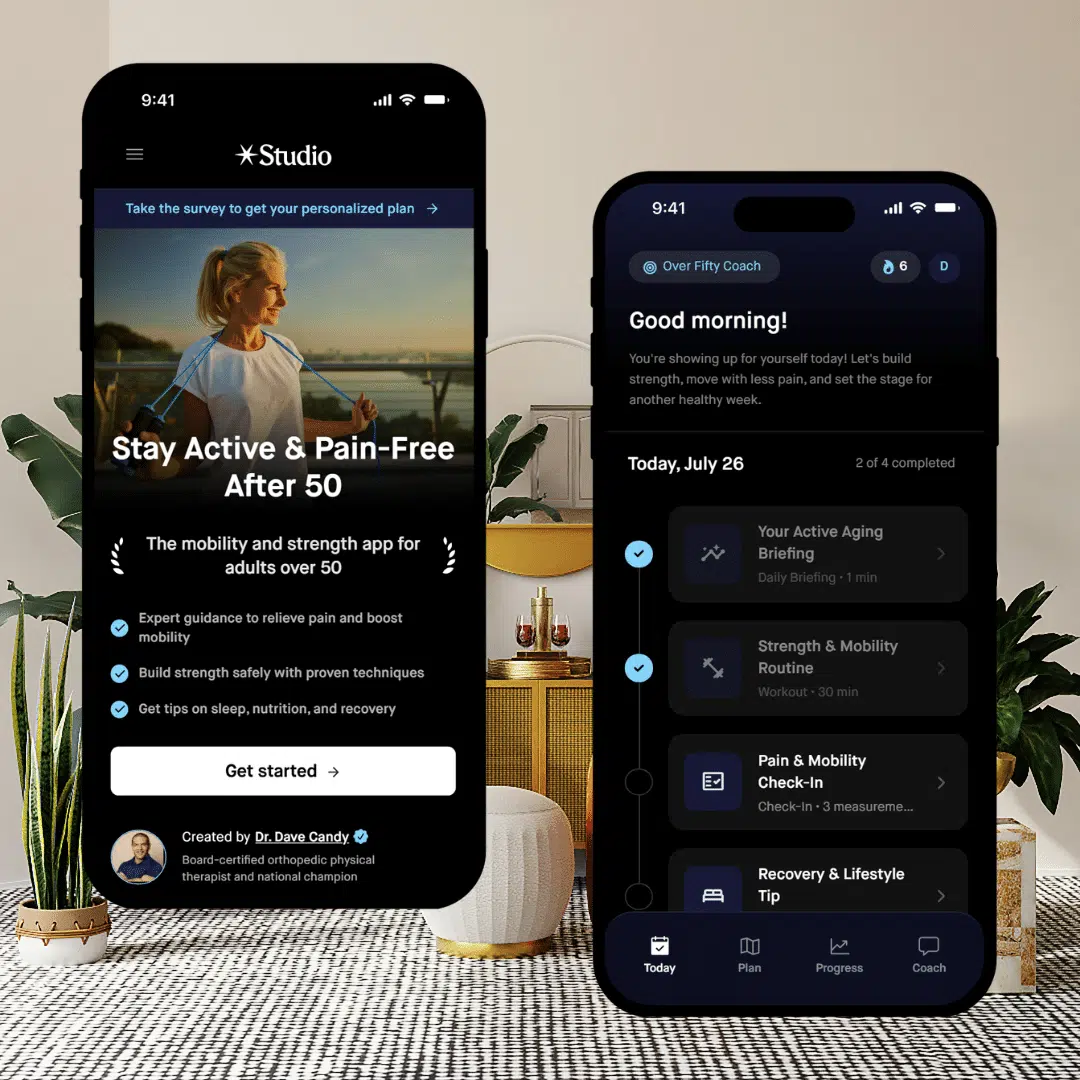
Need Help To Stay Strong and Mobile After 50?
Affiliate Disclosure: This post contains affiliate links to Amazon and/or other sites. While I only recommend products that I trust, as an Amazon Associate, I earn commission from qualifying purchases at no extra cost to you.
Medical Disclaimer: The content on this site is for educational and informational purposes only and is not intended as medical advice. Always consult with a qualified healthcare professional before beginning any new exercise program, diet, or supplement regimen, especially if you have pre-existing health conditions.