
Understanding Sciatica After 50
If you’re over 50 and dealing with sciatica, it can be frustrating. Simple tasks like walking or standing might become painful. Fortunately, most cases of sciatica in this age group are mechanical and can be relieved with the right movements. In this article, we will explore three effective exercises that can relieve sciatica pain quickly.
The Causes of Sciatica in Older Adults
As we age, the discs between our vertebrae lose fluid, causing them to dry out. This narrowing can lead to conditions like degenerative disc disease or spinal stenosis, which may manifest as sciatica. Understanding the cause is crucial; however, you can still find relief even if your X-ray or MRI says otherwise.
Why Movement Matters
When you experience sciatica, certain movements can either aggravate or alleviate your symptoms. Backward bending, also known as extension, can narrow the spaces where nerve roots exit the spine, increasing pain. Conversely, forward bending movements, or flexion, can open these spaces and provide relief.
Three Exercises to Relieve Sciatica
1. Forward Bending Exercise
The simplest and most effective way to relieve sciatica is through forward bending. Start by sitting down and leaning forward. If touching your toes feels challenging, rest your elbows on your knees. This position often opens the nerve spaces and alleviates pain quickly.
2. Knee-to-Chest Stretch
If bending forward while sitting is too painful, try lying on your back with your knees bent. Gently pull one or both knees toward your chest. This position flexes your back and opens the nerve spaces while relieving the effects of gravity.
3. Side-Bending Stretch
If your sciatica is localized to one side, a side-bending stretch can be beneficial. Stand up and reach one arm upward while leaning away from the painful side. As you breathe in, reach higher and lean further. Repeat this five times, focusing on deep breaths.
Piriformis Stretch
The piriformis muscle can sometimes contribute to sciatica. To stretch it, lie on your back, cross one leg over the other, and gently push the knee down while stabilizing your hip. This stretch can relieve tension and open up nerve spaces in your lower back.
Long-Term Strategies for Sciatica Relief
While these exercises can provide quick relief, addressing the underlying causes is vital for long-term success. Analyze your daily habits, including how you stand, walk, and even sleep. Small adjustments can make a significant difference in preventing future pain.
Conclusion: Next Steps for Managing Sciatica
Incorporating these exercises into your routine can help relieve sciatica symptoms effectively. However, for comprehensive management, consider exploring additional lifestyle changes. For more detailed guidance, check out resources like my book, The Over 50 Sciatica Solution. Remember, understanding your body and its needs is the first step toward lasting relief.
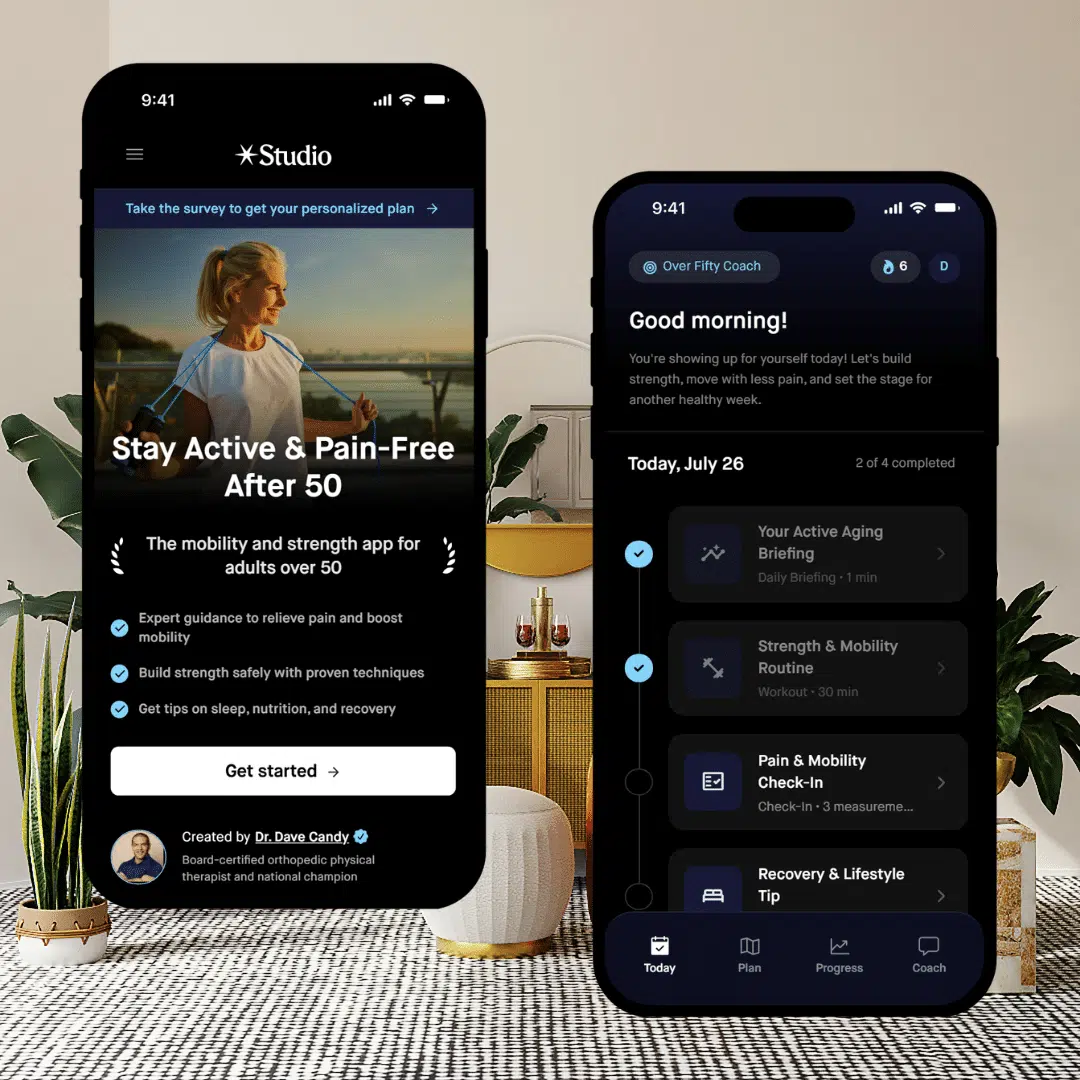
Need Help To Stay Strong and Mobile After 50?
Affiliate Disclosure: This post contains affiliate links to Amazon and/or other sites. While I only recommend products that I trust, as an Amazon Associate, I earn commission from qualifying purchases at no extra cost to you.
Medical Disclaimer: The content on this site is for educational and informational purposes only and is not intended as medical advice. Always consult with a qualified healthcare professional before beginning any new exercise program, diet, or supplement regimen, especially if you have pre-existing health conditions.