
Understanding the Differences: 2-Wheel Walker vs 4-Wheel Rollator
When it comes to mobility aids, selecting between a 2-wheel walker and a 4-wheel rollator can significantly impact your recovery and independence. The decision largely depends on your specific needs, duration of use, and environment.
Short-Term vs Long-Term Use
First, consider how long you will be using the walker. If your need is temporary, such as during recovery from surgery or an injury, a 2-wheel walker may be the best option. They tend to be more affordable and easier to use for short durations.
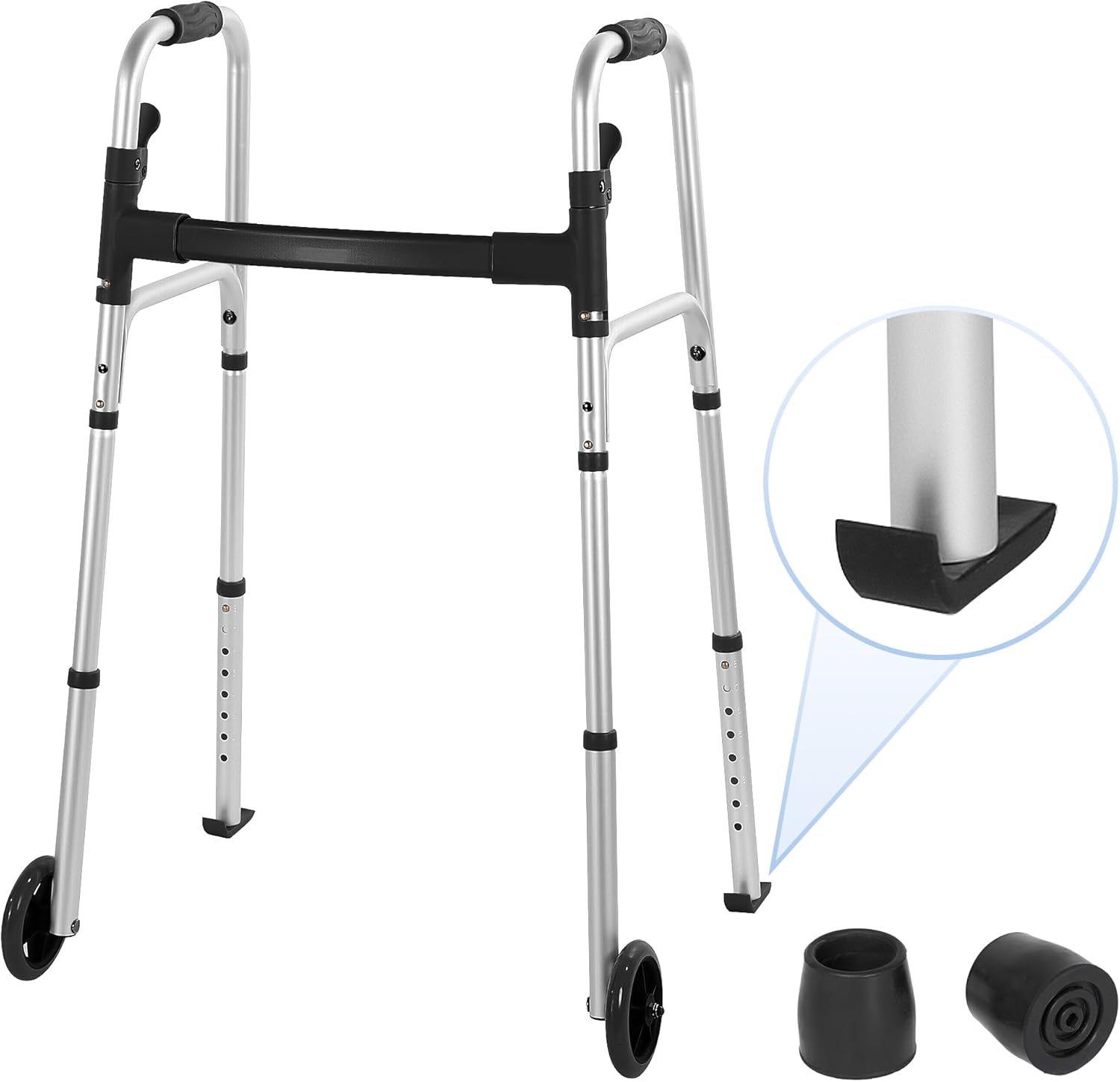
On the other hand, if you anticipate needing assistance for a longer period, investing in a 4-wheel rollator could be beneficial. They offer features that enhance mobility and comfort, especially for longer outings.

Where Will You Use It?
Another critical factor is the environment where you’ll use the walker. A 2-wheel walker is ideal for indoor settings, such as your home or a doctor’s office. Its skis allow it to glide smoothly on hard floors and carpeted surfaces, providing stability.
However, if you need to navigate outdoors or uneven terrains, a 4-wheel rollator might be more suitable. Its turning wheels allow for tighter turns and better maneuverability, although they may sacrifice some stability.
Distance Matters
Consider the distances you’ll be walking. For longer distances, a 4-wheel rollator is often more effective. It usually features larger wheels, making it easier to navigate rough terrain. Additionally, rollators typically come equipped with brakes, which can help prevent accidents, especially when going downhill.
Another advantage of a 4-wheel rollator is the built-in seat. This feature allows users to rest whenever necessary, making it particularly useful for outings where seating may not be readily available.
Storage and Portability
Both types of walkers have their pros and cons regarding storage and portability. A 2-wheel walker usually occupies less space, making it easier to store in smaller areas or vehicles. They can fold easily, allowing you to tuck them away when not in use.
In contrast, while 4-wheel rollators also fold, they tend to be heavier. If you plan to lift a walker into a vehicle frequently, consider your strength and ability to manage the weight.
Making the Choice
If you’re unsure which walker to choose, it might be worthwhile to consider having both. A 2-wheel walker can serve well for indoor use or short trips, while a 4-wheel rollator is better for longer excursions.
Ultimately, choosing a walker comes down to your specific needs. Evaluate factors such as duration of use, mobility requirements, and your physical capabilities. This thoughtful consideration will lead to a choice that supports your recovery and enhances your quality of life.
Next Steps
After determining which walker suits your needs, consider consulting with a healthcare professional for personalized recommendations. They can guide you toward the best solution tailored to your unique circumstances.
Need Help To Stay Strong and Mobile After 50?

Affiliate Disclosure: This post contains affiliate links to Amazon and/or other sites. While I only recommend products that I trust, as an Amazon Associate, I earn commission from qualifying purchases at no extra cost to you.
Medical Disclaimer: The content on this site is for educational and informational purposes only and is not intended as medical advice. Always consult with a qualified healthcare professional before beginning any new exercise program, diet, or supplement regimen, especially if you have pre-existing health conditions.