
Introduction to the Asian Squat for Seniors
The Asian squat, also known as the deep squat, is a powerful exercise that enhances hip and ankle mobility. For seniors, the thought of performing this squat might evoke fears of knee pain or discomfort. However, with the right modifications, anyone can reap the benefits of this natural movement. In this blog post, we’ll explore practical tips and variations of the Asian squat that can help improve mobility without causing pain.
Understanding the Asian Squat
The Asian squat is a position that many individuals in Asian countries comfortably adopt. Historically, our ancestors utilized this position for various daily activities. It’s a fantastic way to increase flexibility and strength in the lower body, especially the hips and ankles.
Modifications for Comfort
To ensure that you can perform the Asian squat comfortably, let’s discuss some modifications that can alleviate discomfort in the knees and back.
1. Starting from a Standing Position
Begin by standing tall, then bend down to touch your toes. If you find it difficult to keep your knees straight, it’s perfectly fine to bend them. Place your hands on the ground and push your elbows between your knees. This technique helps pry the knees outward, improving hip mobility.
As you lower your body, drop down as far as you feel comfortable, then return to standing. Repeat this process about ten times, gradually lowering yourself a bit more with each attempt. When you reach your comfortable limit, hold that position for ten seconds. Over time, aim to increase your hold time to thirty seconds or even a minute.
2. Using a Desk for Support
If you need additional support, try holding onto a desk or counter while performing the squat. Sit back into a squat position while using the desk to help alleviate some weight off your knees. Drive your knees outward as you lower yourself to enhance the depth of your squat.
Similar to the previous method, perform this variation about ten times, holding the lowest position for increasing durations. The desk provides support and aids in safely pulling yourself back up.
3. Using Stairs for Assistance
Another effective modification involves using stairs. Sit on the second or third step to lower your body gradually. Use your hands on the stair for support as you lower yourself one step further than you feel comfortable. This method helps you achieve the deep squat position without bearing all your weight.
Push your knees out with your elbows, holding the position to promote hip mobility. If you wish to strengthen your legs, press your heels down into the stair as if you are trying to stand up. This action will help improve your ability to achieve the full Asian squat.
4. Rocking Back for Mobility
In a similar fashion to a child’s pose, get on all fours and rock back towards your heels. Ensure your feet are against a wall or desk to promote ankle dorsiflexion. Widen your knees and push back gently to experience the squat position without the pressure of weight on your knees.
This exercise can also be performed on a bed if getting down to the floor is challenging. The rocking motion mimics the deep squat and enhances mobility.
5. Utilizing Props for Comfort
If you struggle with ankle mobility, consider using a weight plate or a small elevation under your heels. This method allows you to maintain a more comfortable squat position without straining your ankles. Additionally, holding a weight in front can stabilize your trunk, enabling a more upright posture during the squat.
Conclusion: Taking the Next Step
Incorporating these modifications into your routine can help you perform the Asian squat comfortably and effectively, enhancing your overall mobility. Regular practice will not only improve hip and ankle function but also strengthen your legs, allowing for greater independence in daily activities.
As you continue to work on your mobility, consider exploring more exercises tailored to seniors that focus on balance and strength. Remember to listen to your body and progress at your own pace to avoid injury.
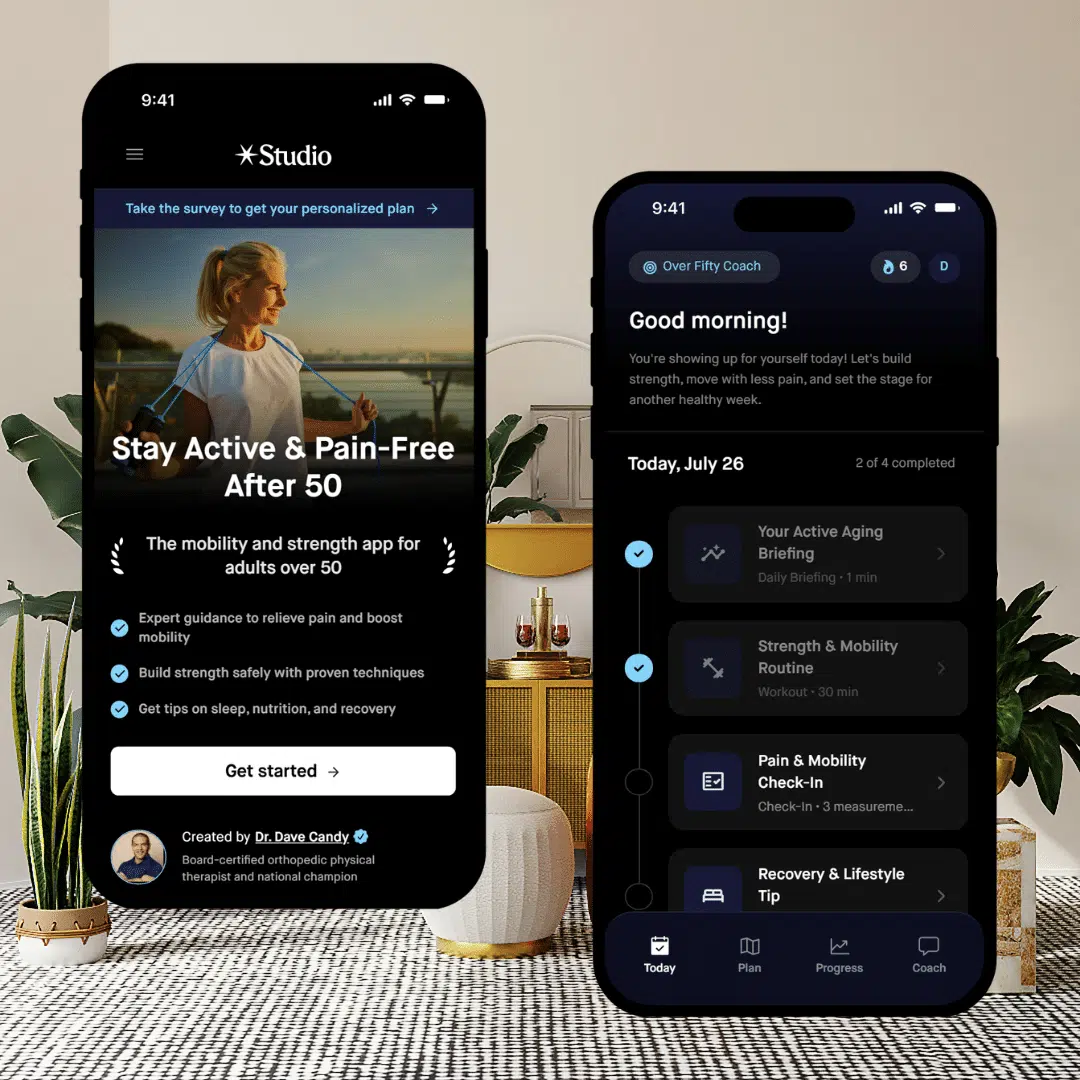
Need Help To Stay Strong and Mobile After 50?
Affiliate Disclosure: This post contains affiliate links to Amazon and/or other sites. While I only recommend products that I trust, as an Amazon Associate, I earn commission from qualifying purchases at no extra cost to you.
Medical Disclaimer: The content on this site is for educational and informational purposes only and is not intended as medical advice. Always consult with a qualified healthcare professional before beginning any new exercise program, diet, or supplement regimen, especially if you have pre-existing health conditions.