
Introduction
Muscle building doesn’t always require heavy weights. In fact, research shows that you can build muscle by lifting light weights, provided you train close to failure. This is great news for individuals over 50 who want to avoid joint pain while still achieving their fitness goals. However, lifting light weights can be much more challenging and painful than it seems.
Understanding Muscle Recruitment
To grasp how light weights can still lead to muscle growth, we need to understand how your nervous system communicates with your muscles.
The Role of Motor Units
Your brain recruits motor units in a specific order, starting from the small to the large. When performing low-effort tasks like walking or lifting light weights, your brain activates small motor units first. These units consist of slow-twitch muscle fibers, which have a high endurance capacity but limited growth potential.
The Power of Heavy Weights
As the weight increases, your brain recruits larger motor units composed of fast-twitch muscle fibers. These fibers have the most growth potential but fatigue quickly. When lifting heavy weights (5 reps or less), all muscle fibers are engaged immediately. This leads to rapid fatigue and muscle failure.
The Pain of Light Weights
When lifting light weights, such as during a set of 30 reps, the slow-twitch fibers can initially handle the load. However, as you progress through the set, they exhaust their energy by converting glucose into ATP, producing lactic acid as a byproduct. This lactic acid buildup is responsible for the intense burning sensation you feel.
Why Most People Quit
Many individuals stop their workout due to the pain from lactic acid before they can fully engage the fast-twitch fibers. The last few reps are where significant growth occurs, yet most people give up too soon. This highlights the importance of mental toughness when working with light weights.
Finding the Right Rep Range
The sweet spot for most individuals is typically between 8 to 12 reps. This range is effective because it is not overly heavy, reducing the risk of joint pain, yet it is challenging enough to stimulate muscle growth without stopping due to lactic acid buildup.
Training to Failure
Regardless of whether you choose light or heavy weights, training close to failure is crucial. You may leave one or two reps in reserve for safety, but it’s essential to know what that feels like by occasionally training to failure.
Common Misconceptions
Studies reveal that people often misjudge their reps in reserve. Many believe they have a couple of reps left when, in reality, they may have several more. This miscalculation can hinder your progress and muscle growth.
Next Steps for Muscle Building
To effectively build muscle using light weights, focus on pushing through the discomfort. Challenge yourself to complete those last few painful reps, and you’ll start engaging the fast-twitch fibers that lead to growth. It’s important to maintain consistency in your workouts and gradually increase intensity as you gain strength.
Conclusion
Building muscle with light weights is indeed possible and beneficial, especially for those seeking to avoid joint issues. Embrace the challenge, push through the pain, and find your ideal rep range. By doing so, you can achieve your fitness goals effectively and safely.
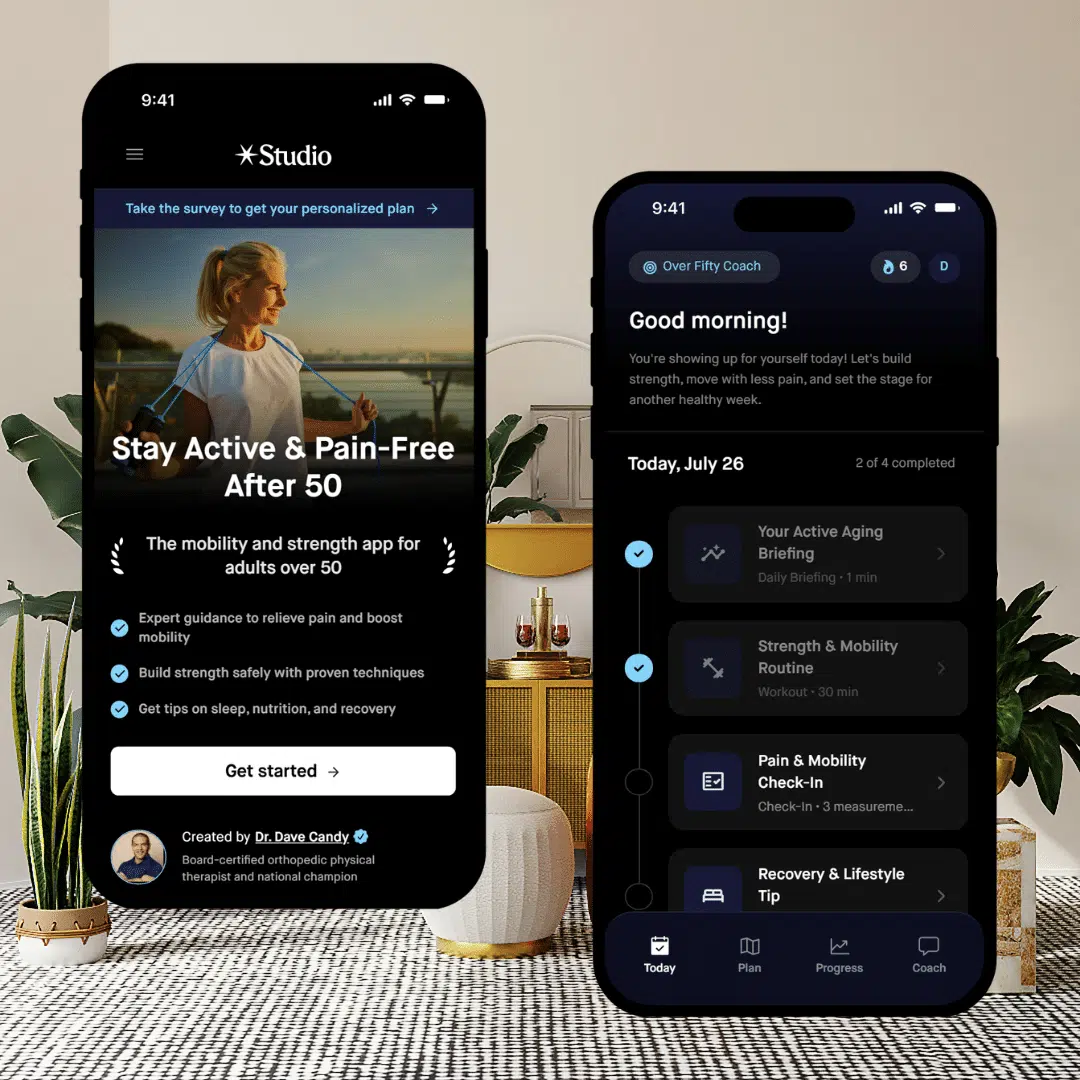
Need Help To Stay Strong and Mobile After 50?
Affiliate Disclosure: This post contains affiliate links to Amazon and/or other sites. While I only recommend products that I trust, as an Amazon Associate, I earn commission from qualifying purchases at no extra cost to you.
Medical Disclaimer: The content on this site is for educational and informational purposes only and is not intended as medical advice. Always consult with a qualified healthcare professional before beginning any new exercise program, diet, or supplement regimen, especially if you have pre-existing health conditions.