
Understanding Lower Back Pain and Sleep
Experiencing lower back pain can make simple tasks, like turning over in bed, incredibly challenging. If you’re struggling with this issue, you’re not alone. Many people find their sleep disrupted by discomfort, causing them to toss and turn throughout the night.
Proper Sleeping Positions for Comfort
To improve your sleep quality when dealing with lower back pain, it’s essential to start with the right sleeping position. When lying on your back, keep your legs straight can create a gap that puts pressure on your spine. Instead, try placing a pillow beneath your knees. This adjustment can help flatten your lower back and provide better support, reducing discomfort.
Side Sleeping Techniques
If you prefer sleeping on your side, ensure you’re not twisting your lower back. Allowing one leg to drape over can lead to misalignment and discomfort. Using a pillow between your knees can help maintain a neutral position, keeping your hips and spine aligned.
Another tip is to avoid sleeping with straight legs, as this can create an arch in your back. Instead, curl up slightly in a fetal position to provide better support. If you have wider hips, placing a small pillow or folded towel in the gap can fill any void and keep your spine in a neutral position.
How to Roll Over Comfortably
When you need to change positions at night, rolling over can be a challenge. If you’re starting on your back and want to turn onto your side, bend your knees and position a pillow between them. Then, roll your whole body as a unit, keeping your spine aligned.
If you’re in a tight space or covered with sheets, this method can be impractical. Instead, try this: perform a gentle pelvic tilt to flatten your lower back, then shimmy your body slightly while keeping your legs together. This method minimizes pressure on your lower back.
Alternative Rolling Method
Another way to roll over is to cross one leg over the other while bringing your arm across your body. This technique allows you to roll as a single unit, maintaining better spinal alignment. When returning to your back, reverse this process, ensuring all your body parts move together to avoid straining your back.
Getting Up from Bed
When it’s time to get up, start by rolling onto your side again. Let your knees hang off the edge of the bed, allowing your feet to dangle. Use the leverage of your feet and push up with your hand to sit up. This method provides a more comfortable transition and reduces the strain on your back.
Take Action for Better Sleep
Implementing these tips can significantly improve your sleep quality and comfort while managing lower back pain. Remember, understanding proper positioning and movement is key to alleviating discomfort. Take the time to practice these techniques regularly.
If you find these strategies helpful, consider keeping a journal to track your progress and any challenges you encounter. This can help you refine your approach and find what works best for you.
Better sleep is achievable! Start applying these tips tonight and experience the difference they can make for your lower back pain.
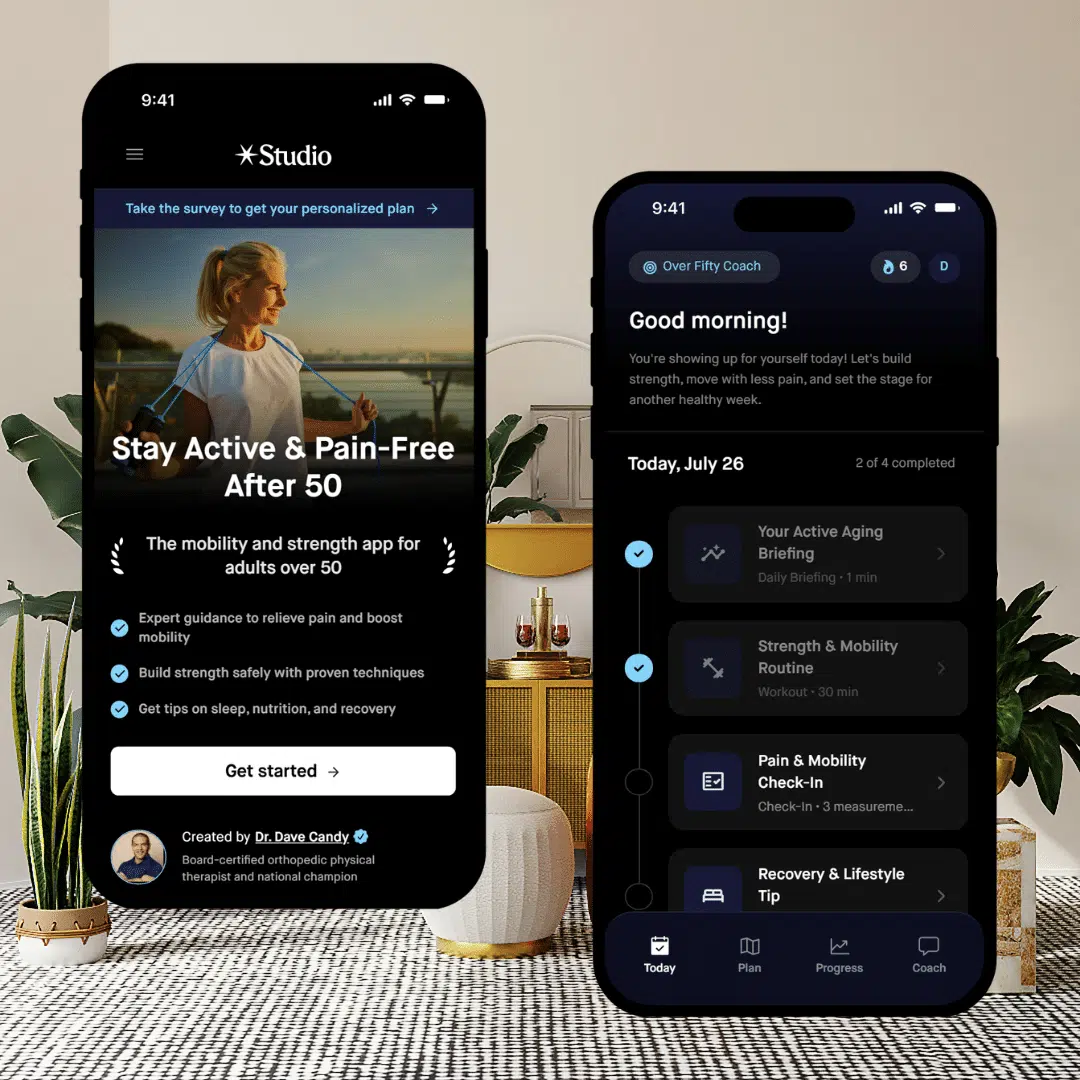
Need Help To Stay Strong and Mobile After 50?
Affiliate Disclosure: This post contains affiliate links to Amazon and/or other sites. While I only recommend products that I trust, as an Amazon Associate, I earn commission from qualifying purchases at no extra cost to you.
Medical Disclaimer: The content on this site is for educational and informational purposes only and is not intended as medical advice. Always consult with a qualified healthcare professional before beginning any new exercise program, diet, or supplement regimen, especially if you have pre-existing health conditions.