
Understanding Cervical Spinal Stenosis
Cervical spinal stenosis is a narrowing of the spaces around your nerves in the neck, which can lead to symptoms such as numbness and tingling in the hands and arms. While these symptoms may not seem serious initially, they can progress if not addressed. In this post, we will explore effective strategies to relieve arm numbness caused by spinal stenosis without the need for neck surgery.
Why Does Cervical Spinal Stenosis Cause Numbness and Tingling?
The narrowing of the spinal canal or the foramina, where nerve roots exit the neck, can lead to cervical spinal stenosis. Symptoms often include numbness or tingling, which can vary in severity. Additionally, progressive muscle weakness or staggering can indicate more severe issues, requiring immediate medical attention.
Postural Alignment: A Key Factor
Maintaining proper postural alignment is critical for managing cervical spinal stenosis. Many individuals unknowingly develop rounded shoulders or a forward head posture, which can exacerbate symptoms. Here are some tips to help improve your posture:
1. Chest Lift and Shoulder Blade Tipping
To combat rounded shoulders, practice lifting your chest and slightly tipping your shoulder blades back. This adjustment helps create more space for the nerves in your neck. Incorporate this posture into your daily activities to maximize its benefits.
2. Chin Tuck
Perform a slight chin tuck to realign your neck and reduce compression on the nerves. This can be done throughout the day, especially when sitting or working at a desk.
Exercises to Relieve Numbness From Cervical Spinal Stenosis
Incorporating specific exercises into your routine can also alleviate numbness and tingling associated with cervical spinal stenosis.
1. Neck Flexion and Side Bending
Start with a gentle neck flexion by looking downwards; this can help open the foramina where the nerves exit. Follow with a slight side bend towards the symptomatic side to enhance relief. Hold each position for 10-15 seconds and repeat several times.
2. Arm Support Techniques
To minimize downward compression, support your arms while sitting. Use armrests or pillows to take the weight off your neck and shoulders. This simple adjustment can provide immediate relief.
3. Stretching the Chest and Shoulders
To address postural issues affecting your neck, perform a chest and shoulder stretch. Raise your arms to a goalpost position, lift your chest, and rotate your arms back. This stretch not only alleviates tension but also encourages better posture.
Using aHome Cervical Traction for Spinal Stenosis Relief
Home cervical traction units can be beneficial for decompressing the neck. These devices help relieve pressure and provide additional space for the nerves.

If you don’t have access to a traction unit, try reaching your arms overhead to relieve some pressure. Be cautious not to worsen your symptoms during this exercise.
Final Thoughts
Managing cervical spinal stenosis and its symptoms, such as arm numbness, requires a multifaceted approach. Focus on maintaining proper posture, incorporating specific exercises, and utilizing supportive methods. If symptoms worsen or persist, consult a healthcare professional for further evaluation. By taking these proactive steps, you can significantly improve your quality of life and reduce pain, numbness, and tingling.
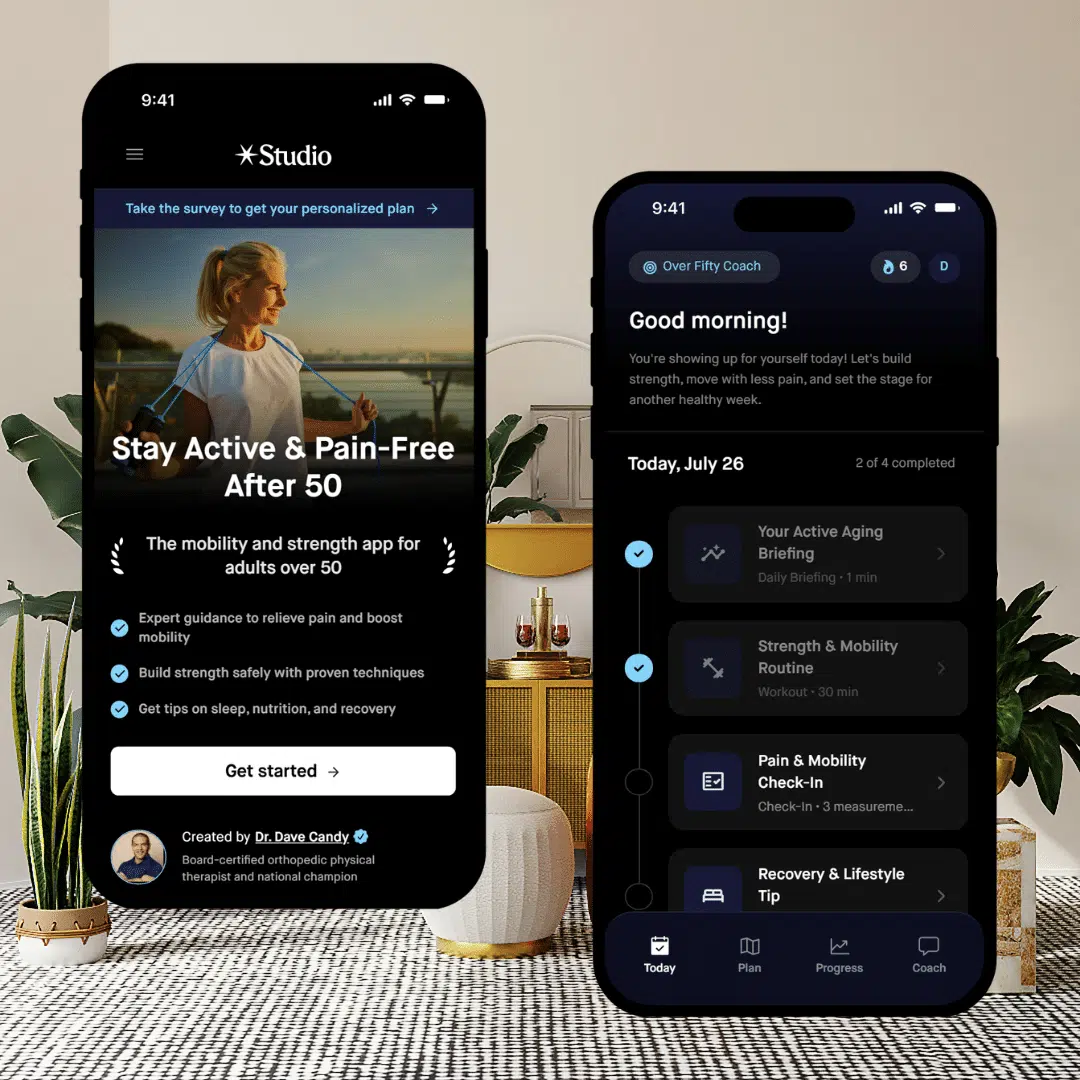
Need Help To Stay Strong and Mobile After 50?
Affiliate Disclosure: This post contains affiliate links to Amazon and/or other sites. While I only recommend products that I trust, as an Amazon Associate, I earn commission from qualifying purchases at no extra cost to you.
Medical Disclaimer: The content on this site is for educational and informational purposes only and is not intended as medical advice. Always consult with a qualified healthcare professional before beginning any new exercise program, diet, or supplement regimen, especially if you have pre-existing health conditions.