
Understanding Plantar Fasciitis
Plantar fasciitis is a common condition that causes heel pain due to inflammation of the plantar fascia. This thick band of tissue connects your heel to the front of your foot. Many people seek relief through various treatments, including braces.
Types of Plantar Fasciitis Braces
In this article, we will explore three common types of plantar fasciitis braces: night splints, plantar fasciitis socks, and plantar fasciitis sleeves. Each type has its advantages and disadvantages.
1. Night Splint
The night splint is designed to be worn while sleeping. Its primary purpose is to maintain the foot at a 90-degree angle, which can theoretically stretch the plantar fascia. However, many patients find night splints uncomfortable and disruptive to sleep.
Although they aim to reduce morning pain, the effectiveness of night splints varies. Often, the discomfort they cause can outweigh the potential benefits. Additionally, they do not provide support during daytime activities, which is crucial for those suffering from plantar fasciitis.
2. Plantar Fasciitis Socks
Plantar fasciitis socks are tight-fitting garments with reinforcements under the foot. They offer some elastic arch support but are generally more suitable for mild cases of plantar fasciitis or preventative measures. These socks lack the robust support needed for more severe conditions.
While they can provide slight relief, plantar fasciitis socks are often not sufficient for significant support. They may help with mild discomfort but do not address the underlying causes of plantar fasciitis.
3. Plantar Fasciitis Sleeve
The plantar fasciitis sleeve combines an elastic sock material with straps, resembling an ankle brace. This design provides a moderate level of support while encouraging proper foot positioning. It can help remind your muscles how to function correctly and may prevent over-pronation, a common issue for those with plantar fasciitis.
To use the sleeve effectively, position your foot in a slight supination and secure the straps snugly. This setup allows for better foot mechanics and may help alleviate some pain associated with plantar fasciitis.
Additional Considerations
While braces can offer temporary relief, they are not a standalone solution for plantar fasciitis. Addressing the root causes is essential. Stiff calf muscles, weak arch muscles, and even hip strength issues can contribute to plantar fasciitis pain.
Incorporating stretching exercises, strengthening routines, and proper footwear can significantly improve your condition. Consider consulting a physical therapist for personalized guidance on managing plantar fasciitis effectively.
Next Steps for Relief
If you are considering using a plantar fasciitis brace, evaluate your specific needs. While braces can provide support, they should be part of a comprehensive approach to treatment. Focus on strengthening and flexibility exercises, and consult with a healthcare professional if your symptoms persist.
By understanding the different types of plantar fasciitis braces and how they work, you can make informed decisions about your foot health. Remember, consistent care and attention to your body’s mechanics are key to overcoming plantar fasciitis.
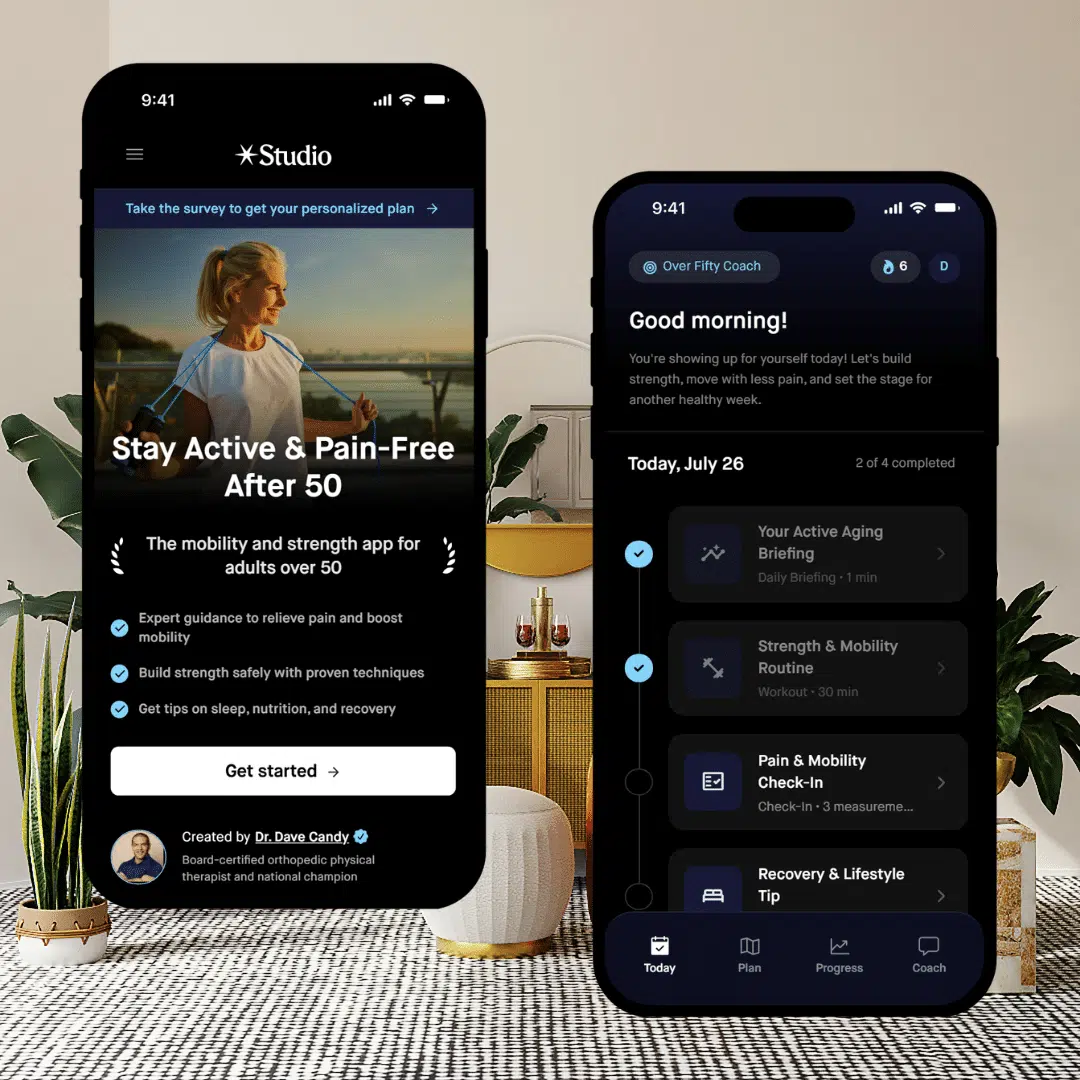
Need Help To Stay Strong and Mobile After 50?
Affiliate Disclosure: This post contains affiliate links to Amazon and/or other sites. While I only recommend products that I trust, as an Amazon Associate, I earn commission from qualifying purchases at no extra cost to you.
Medical Disclaimer: The content on this site is for educational and informational purposes only and is not intended as medical advice. Always consult with a qualified healthcare professional before beginning any new exercise program, diet, or supplement regimen, especially if you have pre-existing health conditions.