
Understanding TENS and EMS Units
Using a TENS (Transcutaneous Electrical Nerve Stimulation) unit can be overwhelming, especially with the various settings available. As a physical therapist, I’ve seen many patients struggle to use these devices effectively. In this guide, I will break down how to use a TENS unit for pain control and muscle strengthening, clarifying the meaning of different settings.
What is a TENS Unit?
A TENS unit is a device that uses electrical signals to alleviate pain and stimulate muscles. It works by sending electrical impulses through the skin to help reduce pain sensation or promote muscle contraction. The device features multiple programs tailored for either pain relief or muscle stimulation.
How to Use a TENS Unit for Pain Management
If you’re experiencing pain, the first step is to place the pads on either side of the painful area. For example, if you’re dealing with knee pain, position one pad above the knee and one below. This simple placement technique can help you achieve effective pain relief.
Selecting the Right Program
This particular unit, such as the Comfytemp TENS unit, offers 24 different programs. Programs 1-10 are primarily focused on pain relief. Experimenting with these settings can help you find the one that provides the most comfort. Adjust the intensity until you feel a manageable sensation without discomfort.
Using a TENS Unit for Muscle Strengthening
In addition to pain relief, TENS units can also be beneficial for muscle strengthening. The EMS (Electrical Muscle Stimulation) setting mimics the signals your brain sends to your muscles, prompting them to contract. This can be particularly helpful for rehabilitation purposes.
Proper Pad Placement for Muscle Strengthening
For muscle strengthening, place the pads on either side of the muscle you wish to target. For example, if you’re focusing on your quadriceps, position the pads on the front of your thigh. The goal is to achieve effective muscle contractions through the electrical impulses.
Understanding TENS Unit Settings
When using a TENS unit for muscle strengthening, it’s essential to understand a few key parameters:
- Pulses per Second (Hertz): The standard setting for muscle strengthening is around 50 pulses per second. This frequency has been shown to be effective in research studies.
- Pulse Width: This refers to the duration of each electrical pulse, measured in microseconds. Ideally, you should set this between 300-450 microseconds for optimal muscle strengthening.
- Duty Cycle: This setting controls the on/off time for the muscle contractions. A typical recommendation is 10-15 seconds on, followed by 45-50 seconds off.
Setting Up for Effective Muscle Strengthening
To set up your TENS unit for muscle strengthening, select the EMS mode and adjust the parameters accordingly. Remember to keep the pulse width at 300-400 microseconds and the frequency at 50 hertz. The duty cycle should ideally allow for longer on times to facilitate muscle recovery.
Trial and Error with TENS Units
Finding the right program and settings may take some time. I recommend playing through the various programs and settling on one that feels comfortable and effective for you. Every individual’s response to TENS therapy can vary; therefore, patience and experimentation are essential.
Conclusion: Take Control of Your Pain and Strengthening
In summary, using a TENS unit can be an effective way to manage pain and promote muscle strengthening. For pain relief, place the pads on either side of the pain point and choose the appropriate program. For muscle strengthening, ensure proper placement and adjust the settings to maximize effectiveness. By understanding how to use your TENS unit, you can take an active role in your health and wellness journey.
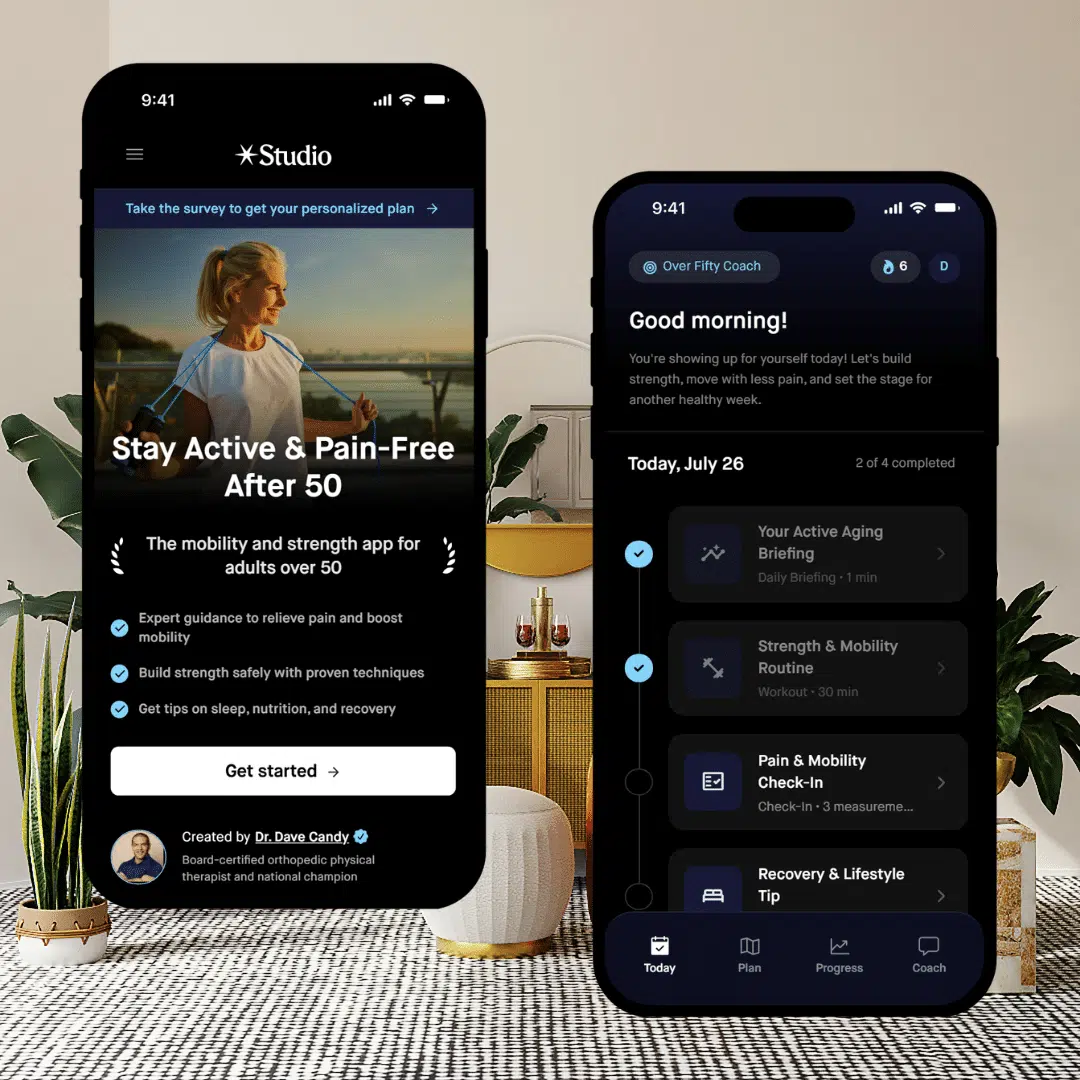
Need Help To Stay Strong and Mobile After 50?
Affiliate Disclosure: This post contains affiliate links to Amazon and/or other sites. While I only recommend products that I trust, as an Amazon Associate, I earn commission from qualifying purchases at no extra cost to you.
Medical Disclaimer: The content on this site is for educational and informational purposes only and is not intended as medical advice. Always consult with a qualified healthcare professional before beginning any new exercise program, diet, or supplement regimen, especially if you have pre-existing health conditions.