
Understanding Leg Strength and Mobility After 50
As we age, particularly after the age of 50, how we use our legs significantly influences our mobility for the next 30 years. The debate often centers on whether mobility or strength is more important. The answer? You need both. Incorporating exercises like the deep squat and the horse stance can help you achieve a balanced approach to maintaining leg health.
The Benefits of the Horse Stance
The horse stance is rooted in martial arts and is primarily a strengthening exercise. While masters can hold it for hours, you only need a few minutes to reap its benefits. This exercise improves glute and core strength, opens up the hips, enhances flexibility in the inner thighs, and boosts body awareness.
How to Perform the Horse Stance
Begin with a shallow horse stance. Spread your feet wide, with toes pointing straight ahead or slightly outwards. Angle your knees out so they align with your toes. Sink down until you feel a stretch in your inner thighs, but don’t worry about achieving a parallel position right away. Shift your weight between the ball of your foot and your heel to find your balance.
Maintain an upright trunk position; avoid arching or bending forward. A helpful tip is to extend your arms as if hugging a tree, which can help you balance. Aim to hold this position for 30 seconds. Over time, you can gradually lower yourself deeper and hold it longer.
The Deep Squat Explained
In contrast to the horse stance, the deep squat is a more passive exercise. Once you are in position, the goal is to relax and use minimal muscle force. This position enhances mobility in your hips, knees, and ankles, and can significantly relieve pressure from your spine, making it beneficial for conditions like degenerative disc disease or spinal stenosis.
How to Execute the Deep Squat
To begin, use a counter or a sturdy surface to hold onto for support. Sit down into a squat, gradually lowering yourself as deeply as you can. The initial transition into the deep squat might be challenging, so use the counter as needed. Once in position, focus on taking deep breaths and relaxing into the squat.
Start by holding this position for 30 seconds. As you progress, reduce your reliance on the counter and aim to hold the squat longer, eventually working up to a minute or more.
Combining Both Exercises for Optimal Results
To maximize the benefits, alternate between the horse stance and the deep squat. For example, perform 30 seconds of the horse stance to build strength and stability, then transition to the deep squat for 30 seconds of stretching and mobility. Repeat this cycle three times. Within a month, you might be surprised at how much more agile your legs feel.
Next Steps for Continued Improvement
Incorporating both the horse stance and deep squat into your routine can significantly improve your leg strength and mobility after 50. If you’re looking for more tips on enhancing your strength and mobility without pain, consider subscribing to health resources tailored for your needs.
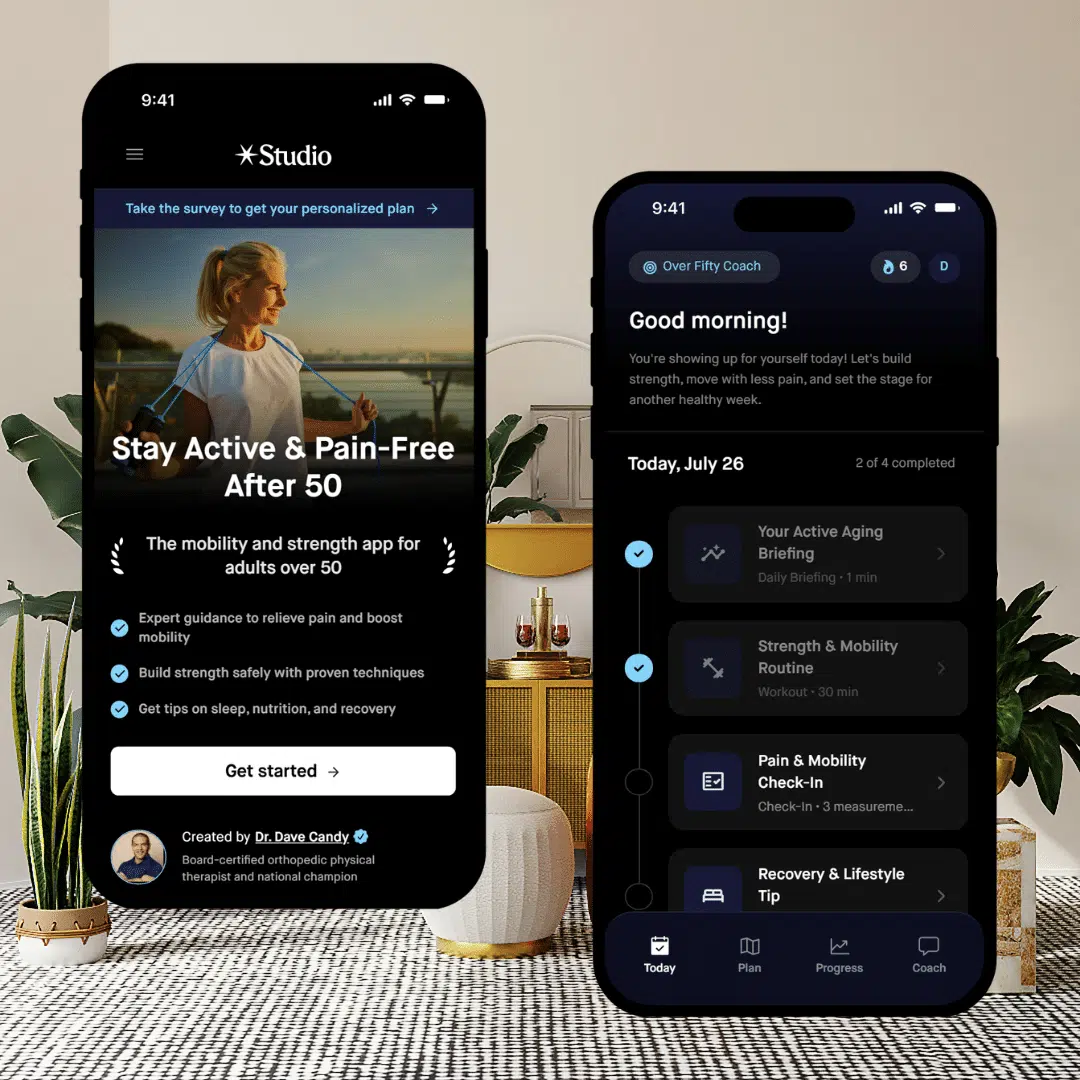
Need Help To Stay Strong and Mobile After 50?
Affiliate Disclosure: This post contains affiliate links to Amazon and/or other sites. While I only recommend products that I trust, as an Amazon Associate, I earn commission from qualifying purchases at no extra cost to you.
Medical Disclaimer: The content on this site is for educational and informational purposes only and is not intended as medical advice. Always consult with a qualified healthcare professional before beginning any new exercise program, diet, or supplement regimen, especially if you have pre-existing health conditions.