
Understanding Arthritis and Its Impact on Movement
Arthritis can severely limit mobility and cause significant pain, especially in the knees. For many individuals suffering from knee arthritis, finding effective ways to exercise without exacerbating pain is crucial. One effective solution is the use of a stationary bike, particularly a recumbent model. In this post, we’ll explore why a stationary bike is beneficial for arthritic knees and how to incorporate it into your fitness routine.
Why Choose a Recumbent Bike for Arthritic Knees?
A recumbent bike is an excellent option for those with arthritic knees due to its design, which supports the back and allows for a comfortable seated position. This type of bike enables users to achieve repetitive motion in their knees, which can be painful when walking for long periods. The consistent movement stimulates the secretion of synovial fluid—a natural lubricant for the joints—helping to reduce friction and inflammation.
Improving Range of Motion
Using a recumbent bike can also help regain lost range of motion in the knees. It’s essential to adjust the seat correctly to achieve an optimal knee extension without hyperextending the joint. Aim for a position that allows nearly full extension while still maintaining a slight bend in the knee.
Comparing Stationary Bikes: Recumbent vs. Upright
While both recumbent and upright bikes can provide a good workout, individuals with knee arthritis often find the recumbent model more beneficial. The backrest allows for better posture, reducing the risk of lower back pain, which is common among those with arthritis. If you are primarily looking to improve knee pain and maintain fitness, a recumbent bike is the recommended choice.
When to Consider an Upright Bike
However, if you are a road cyclist and need to train for outdoor biking, an upright bike may be more suitable, particularly in poor weather conditions. This choice allows you to maintain the riding position you would typically use outdoors.
The Benefits of Cycling for Knee Arthritis
Engaging in regular cycling can have numerous benefits for those with knee arthritis. It provides a low-impact workout that can help maintain cardiovascular health, control cholesterol levels, and manage blood sugar. Additionally, it can assist in weight management, further alleviating stress on the knees.
Cycling vs. Walking
While weight-bearing activities like walking are essential for joint health, they can be challenging for those experiencing knee pain. A stationary bike offers a great alternative, allowing for longer durations of exercise without the joint stress that walking can sometimes cause. This means you can engage in aerobic activity for extended periods while still prioritizing your knee health.
Getting Started with Your Stationary Bike
Before starting your cycling routine, it’s advisable to set the bike up correctly: adjust the seat height and position to ensure comfort and effectiveness. Here are some tips to maximize your cycling sessions:
- Start Slow: Begin with short sessions and gradually increase duration as your comfort and strength improve.
- Focus on Form: Maintain a proper posture throughout your workout to prevent strain on your back and knees.
- Incorporate Variety: Mix in intervals of higher intensity to improve cardiovascular fitness without overloading your joints.
- Listen to Your Body: If pain persists or worsens, consult a healthcare professional for personalized advice.
Next Steps for Managing Knee Arthritis
If you’re struggling with knee arthritis and are looking for ways to alleviate pain and improve mobility, consider incorporating a stationary bike into your routine. Remember, it’s essential to consult with a healthcare provider or physical therapist, especially if you live in the St. Louis area, where resources like More for Life can assist in developing a tailored plan for your knee pain.
By understanding how to use a stationary bike effectively, you can take significant steps toward enhancing your quality of life. Don’t let knee arthritis hold you back—start cycling today!
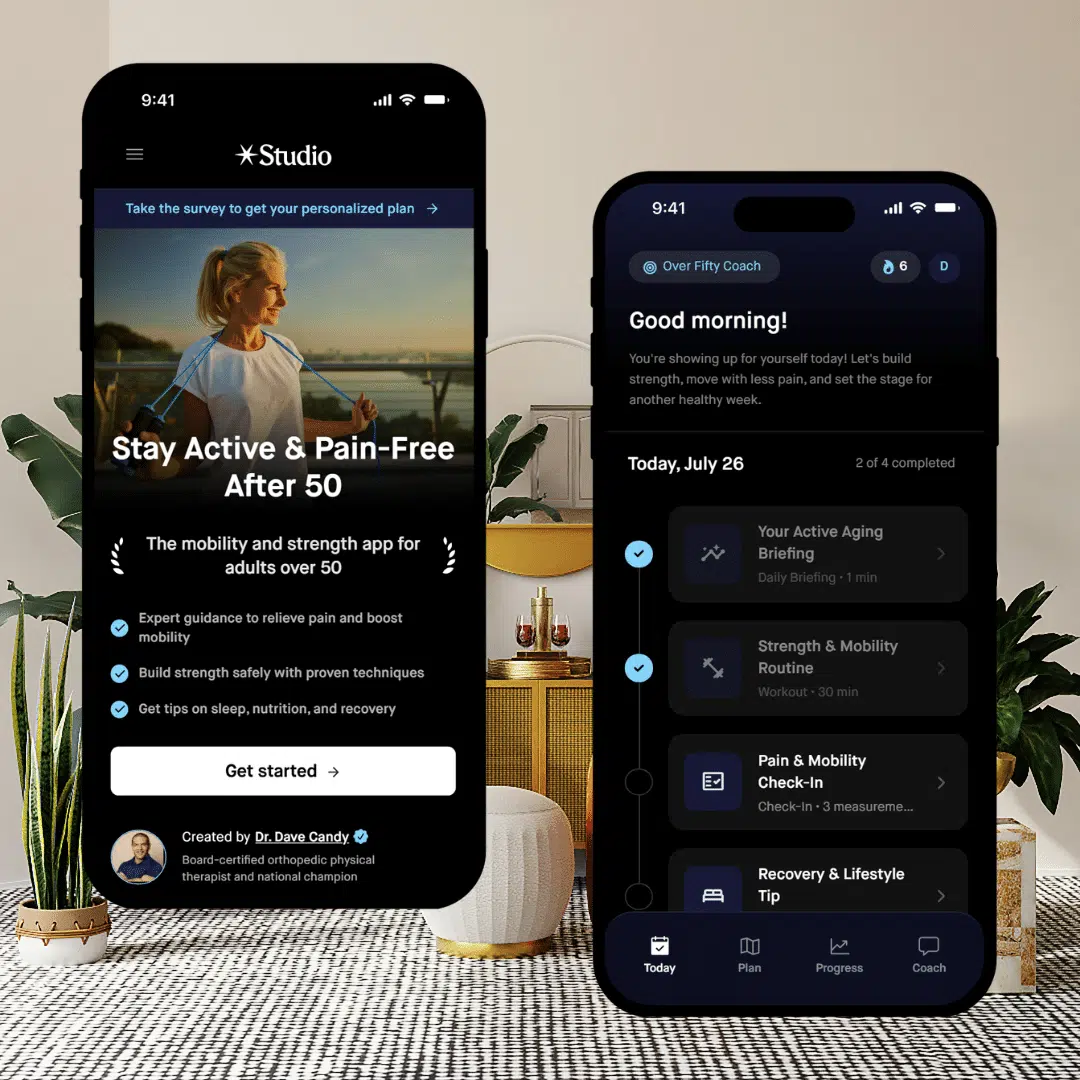
Need Help To Stay Strong and Mobile After 50?
Affiliate Disclosure: This post contains affiliate links to Amazon and/or other sites. While I only recommend products that I trust, as an Amazon Associate, I earn commission from qualifying purchases at no extra cost to you.
Medical Disclaimer: The content on this site is for educational and informational purposes only and is not intended as medical advice. Always consult with a qualified healthcare professional before beginning any new exercise program, diet, or supplement regimen, especially if you have pre-existing health conditions.