
Understanding Stiffness in Your Knees
If your knee feels stiff, tight, or swollen after long periods of sitting, you’re not alone. This common issue often arises from the position in which we sit, particularly when our knees are bent. When seated for extended periods, the hamstrings and calves can become shortened, leading to muscle knots and trigger points that restrict movement.
What Causes Knee Stiffness?
When sitting, the back of the knee can be affected by accumulated fluid or swelling, especially if you have knee arthritis or are recovering from an injury. This swelling can cause discomfort and a feeling of tightness as the knee joint is on slack, making it difficult to stand up smoothly.
Simple Techniques to Loosen Stiff Knees
Fortunately, there are effective techniques that can help relieve stiffness in your knees in just two minutes. Here’s how:
Technique 1: Use Your Hands to Relieve Swelling
Start by placing your hands in the soft spot behind your knee, feeling for the two tendons on either side. Apply gentle pressure in between these tendons. This action helps push any accumulated swelling back into the joint capsule. Once you’ve applied pressure, slowly bend and straighten your knee. This motion serves two purposes: it pushes the swelling up and helps stretch the hamstrings, particularly the semimembranosus muscle.
Technique 2: Targeting Trigger Points
After performing the first technique, move your hands slightly to the outer parts of the hamstrings, focusing on the semitendinosus and biceps femoris muscles. Repeat the bending and straightening motion. If you find any tender spots, hold pressure on those areas as you move your knee. This technique, often referred to as Active Release or pin and stretch, helps to release knots in the muscles.
Addressing Calf Muscle Stiffness
In addition to the hamstrings, stiffness can also occur in the calf muscles, particularly the gastrocnemius heads, which cross the knee. To alleviate stiffness in the calves, feel along the inner side of your calf. If you detect any knots, apply pressure and move your ankle back and forth. This mimics the Active Release method and helps to relax tight spots.
Checking the Outer Calf
Don’t forget the outer calf, as it can also harbor knots. Feel along the outer side and apply similar pressure while moving your toes back and forth. Focus on areas that are tight or tender, and continue until you feel a release in tension.
Next Steps for Knee Health
After performing these techniques, you should notice a reduction in stiffness, tightness, or swelling in your knee. If you experience stiffness in other areas of your knees, such as the front or sides, additional targeted exercises may be beneficial.
Maintaining flexibility and strength in your knees is crucial for overall mobility and health. Regular stretching and movement can help prevent stiffness from returning.
Incorporate these tips into your daily routine, especially if you find yourself sitting for extended periods. Remember to listen to your body and consult a healthcare professional if you have ongoing concerns about knee stiffness.
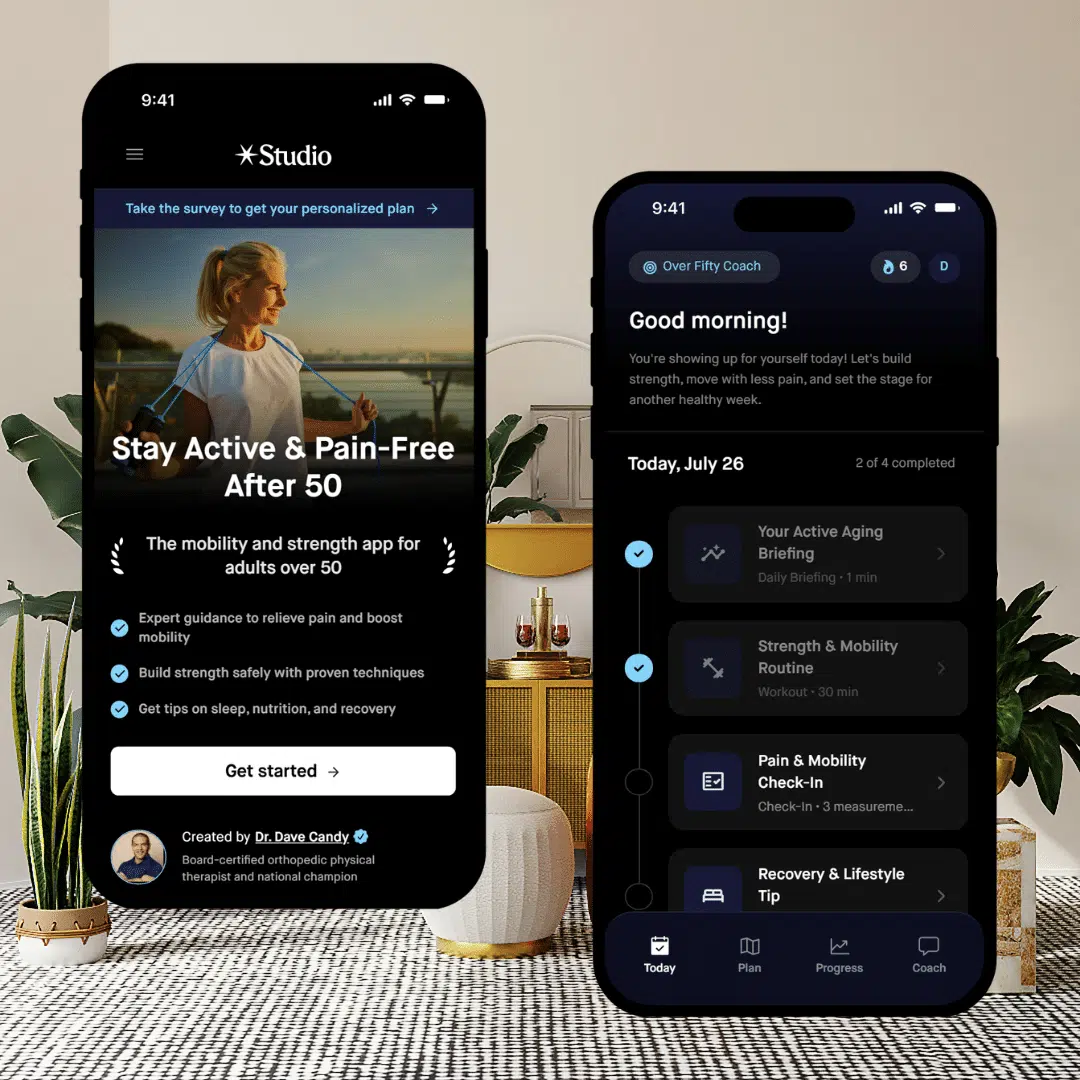
Need Help To Stay Strong and Mobile After 50?
Affiliate Disclosure: This post contains affiliate links to Amazon and/or other sites. While I only recommend products that I trust, as an Amazon Associate, I earn commission from qualifying purchases at no extra cost to you.
Medical Disclaimer: The content on this site is for educational and informational purposes only and is not intended as medical advice. Always consult with a qualified healthcare professional before beginning any new exercise program, diet, or supplement regimen, especially if you have pre-existing health conditions.