
Understanding Outer Hip Pain
If you’re over 50 and experiencing outer hip pain, it’s crucial to know that stretching may worsen your condition. Many believe stretching is a natural response to pain, but this can lead to further irritation. This blog post will explain why you should stop stretching your hip and offer effective strategies to relieve hip pain.
Why Stretching Might Be Harmful
Most outer hip pain in individuals over 50 is often caused by tendonopathy of the gluteal muscles. These muscles cover the outer hip area and can become irritated due to repetitive movements, such as walking. This irritation is often misdiagnosed as bursitis. When you stretch the hip, you’re essentially repeating the movement that caused the problem. This can lead to a cycle of pain that persists.
What to Do Instead
Instead of stretching, consider these three strategies for managing outer hip pain:
1. Use a Massage Gun
A massage gun can provide short-term relief by targeting the gluteal muscles without putting pressure on the hip bone itself. When using the massage gun, focus on the gluteus medius and minimus and the tensor fasciae latae muscle. Stand with most of your weight on the opposite side to ensure the muscles can relax. This technique helps release knots in the muscles, reducing discomfort.
2. Strengthen Your Glute Muscles
Building strength in your glute muscles is essential for long-term relief. One effective exercise is standing on one leg. Maintain a level pelvis while you do this, which you can check in a mirror. If necessary, hold onto a stable surface for balance. Initially, keep the toe of the lifted leg on the ground for support. As you gain strength, aim to hold the position for at least 10 seconds on each leg, repeating this exercise 10 times.
Dynamic Glute Strengthening
To take your strength training a step further, incorporate glute contractions into your walking routine. As you step, focus on squeezing the glute muscles on the side opposite your stepping foot. This practice will help develop dynamic strength, crucial for everyday mobility.
3. Use Supportive Devices
If you struggle with balance or strength, consider using a cane or rollator walker. Using a cane on the opposite side of your sore hip can help offload pressure while enabling you to walk more effectively. It’s a common misconception that using a cane leads to weakness; rather, it allows you to maintain proper technique and build strength over time.
Improving Sleep Quality
Many individuals with outer hip pain find it challenging to sleep at night. The activities you do throughout the day can significantly impact your nighttime comfort. By applying the exercises mentioned above, you can help alleviate the tension that causes discomfort when lying down. Additionally, pay attention to your sleeping position to ensure it supports your hips effectively. Consider consulting resources on optimal sleeping positions for hip pain relief.
Conclusion
In summary, if you’re over 50 and dealing with outer hip pain, it’s crucial to avoid traditional stretching techniques that may exacerbate your condition. Instead, try using a massage gun, strengthening your glute muscles, and utilizing supportive devices to improve your mobility and comfort. By following these strategies, you can work towards a more pain-free lifestyle.
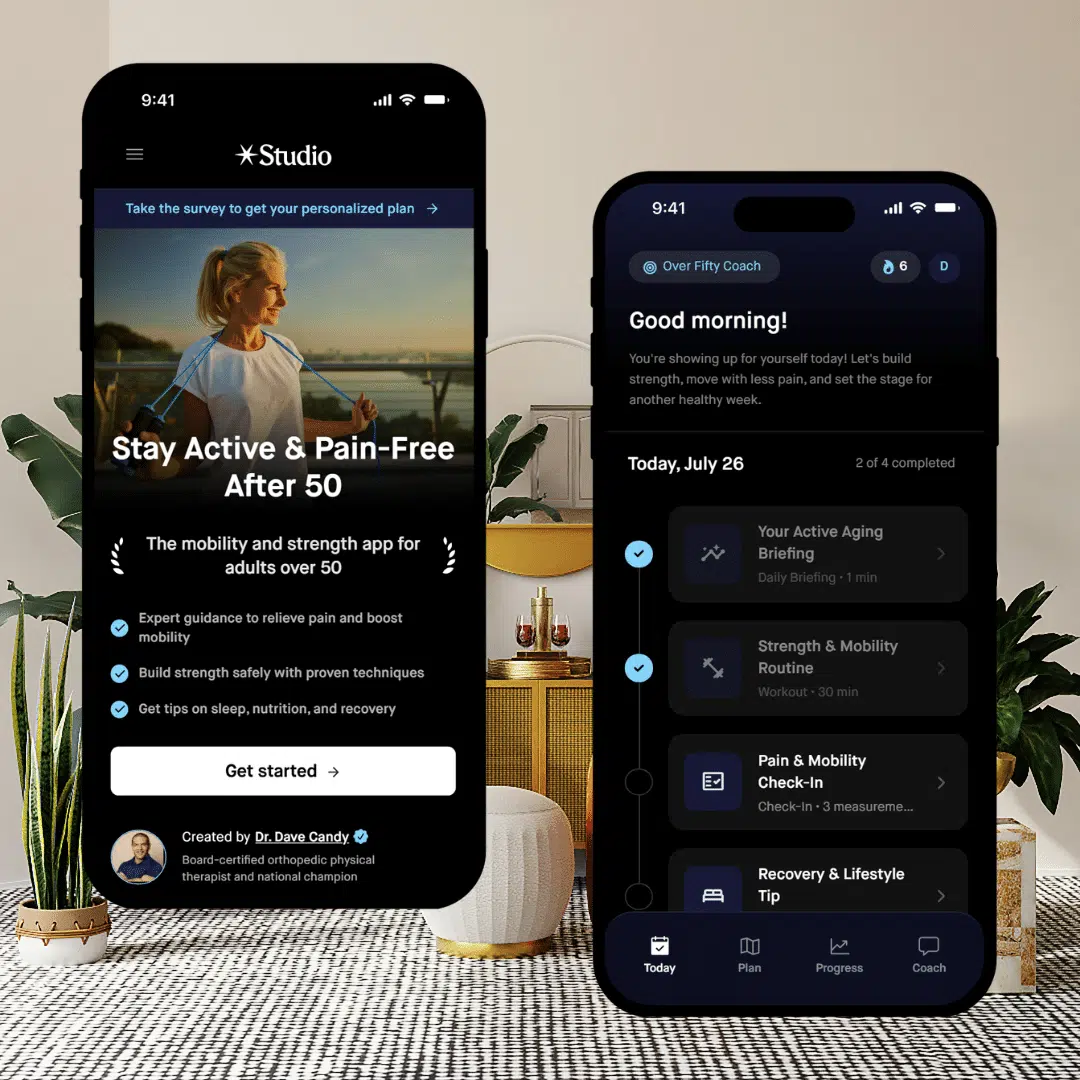
Need Help To Stay Strong and Mobile After 50?
Affiliate Disclosure: This post contains affiliate links to Amazon and/or other sites. While I only recommend products that I trust, as an Amazon Associate, I earn commission from qualifying purchases at no extra cost to you.
Medical Disclaimer: The content on this site is for educational and informational purposes only and is not intended as medical advice. Always consult with a qualified healthcare professional before beginning any new exercise program, diet, or supplement regimen, especially if you have pre-existing health conditions.