
Understanding Hip Pain and Trigger Points
Hip pain can significantly impact your daily activities, and trigger point treatments are an effective way to relieve this pain quickly. In this post, we will explore three common trigger point techniques specifically designed to alleviate outer hip pain. By understanding how to locate and treat these trigger points, you can take proactive steps toward managing your discomfort.
What Are Trigger Points?
Trigger points are tight areas within muscles that can cause pain and discomfort, often radiating to other areas. In the hip, various muscles can develop trigger points due to overuse or weakness. Identifying these areas is crucial for effective treatment.
1. Gluteus Medius and Gluteus Minimus
The first group of trigger points we will focus on is located in the gluteus medius and gluteus minimus. These muscles are situated on the outer part of your hip, just above the hip bone. They play a vital role in moving your leg away from the body and maintaining balance.
To locate these trigger points, lie down comfortably. Start by finding the area directly on top of your hip and move in the direction of the muscle fibers. The anterior fibers run from front to back, the middle fibers run straight up and down, and the posterior fibers fan out towards the back.
Using your fingers, apply sustained pressure on these points for 1.5 to 3 minutes. This duration is essential for the muscles to relax properly. However, holding pressure with your fingers can be tiring; consider using a massage gun for deeper penetration into these trigger points.

2. Tensor Fasciae Latae
The tensor fasciae latae is another key muscle that can develop trigger points. It originates from the anterior superior iliac spine (ASIS) and runs down to the outer hip bone. This muscle is often overworked, leading to tightness and discomfort.
To treat this trigger point, locate the area between the ASIS and the greater trochanter. Using your massage gun, apply gentle pressure perpendicularly for 1.5 to 3 minutes. Gradually increase the pressure as tolerated, ensuring that you do not cause significant pain.
3. Hip External Rotators
The hip external rotators, including the piriformis, are essential for hip stability and movement. These muscles can also develop trigger points that contribute to hip pain. Be cautious when treating this area, as the sciatic nerve runs close to these muscles.
To find trigger points in the hip external rotators, position yourself comfortably and locate the area just behind the hip bone. Using your massage gun, apply pressure to this area, avoiding direct pressure on the sciatic nerve. Hold for 1.5 to 3 minutes, allowing the muscle to relax gradually.
Preventing Future Trigger Points
While the techniques above can provide immediate relief, addressing the root causes of muscle imbalances is crucial for long-term pain management. Strengthening underactive muscles and stretching overactive ones can help prevent trigger points from recurring.
Incorporate specific strengthening and stretching exercises into your routine to maintain balance and flexibility in your hip muscles. Consider consulting a physical therapist for personalized guidance and recommendations.
Conclusion
In summary, trigger point treatments can be highly effective for relieving outer hip pain. By utilizing the techniques discussed, you can alleviate discomfort and take steps toward preventing future issues. Remember to listen to your body and adjust pressure levels as needed.
For more in-depth strategies on managing hip pain and improving muscle balance, seek professional advice or further educational resources. Your path to a pain-free life is within reach!
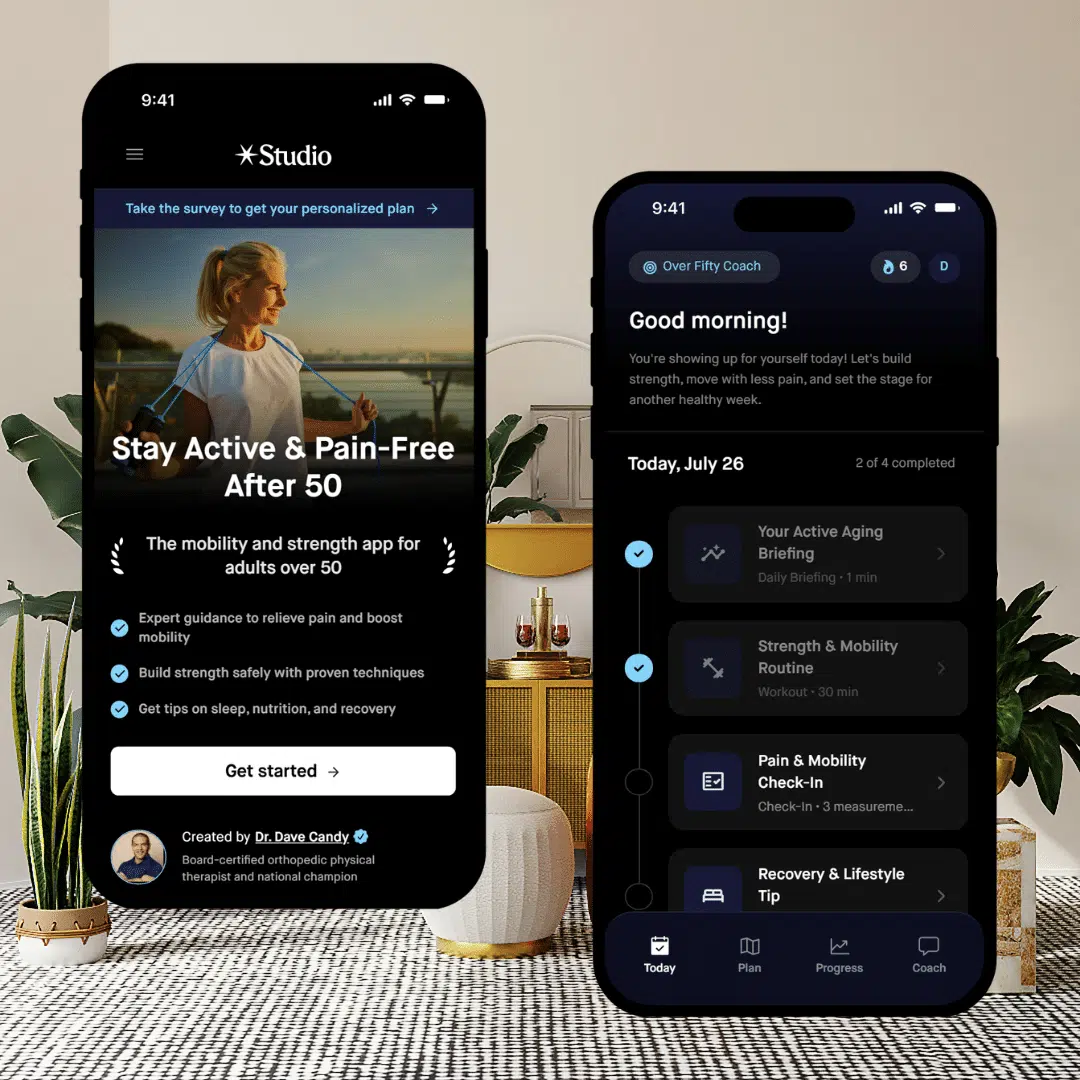
Need Help To Stay Strong and Mobile After 50?
Affiliate Disclosure: This post contains affiliate links to Amazon and/or other sites. While I only recommend products that I trust, as an Amazon Associate, I earn commission from qualifying purchases at no extra cost to you.
Medical Disclaimer: The content on this site is for educational and informational purposes only and is not intended as medical advice. Always consult with a qualified healthcare professional before beginning any new exercise program, diet, or supplement regimen, especially if you have pre-existing health conditions.