
Understanding Hip Stiffness After Sitting
Do you experience hip stiffness after sitting for long periods? If so, you’re not alone. Many people struggle with stiff hips, especially after prolonged sitting. The common misconception is that hip arthritis is the primary culprit. However, that’s not always the case. Often, tight hip flexors are responsible for this discomfort. This post offers actionable advice to relieve and prevent hip stiffness after sitting.
The Role of Hip Flexors in Stiffness
When you sit for extended periods, your hip flexors shorten. This is an issue because the hip flexors play a crucial role in maintaining good posture. If you sit upright, your hip flexors are under constant tension, which can lead to stiffness and discomfort when standing up. Conversely, slouching allows these muscles to relax, reducing the likelihood of developing knots or trigger points.
Maintaining Good Posture
To combat hip stiffness, focus on your sitting posture. Sit tall on the edge of your chair, allowing your hip flexors to function as postural muscles. If you have lower back pain, consider using a towel roll or lumbar roll to support the natural curve of your spine while sitting.
Understanding Other Contributing Factors
Another muscle that can contribute to hip stiffness is the tensor fasciae latae (TFL). This small muscle plays a significant role in hip function and can lead to various issues if neglected. If you tend to sit with your knees knocked together, this position can increase tension in the TFL, leading to discomfort.
Sitting Position Matters
Sitting with your hips in a neutral or slightly externally rotated position can relieve tension in both the TFL and hip flexors. Additionally, ensure your knees don’t knock together as you stand up. Aligning your hips, knees, and toes can help prevent stiffness and discomfort.
How to Stand Up Correctly
How you stand up from a seated position also affects hip stiffness. Start by scooting to the front of your chair, which helps shift your center of gravity over your feet. When rising, keep your knees aligned with your toes to engage your gluteus medius and external rotators, promoting proper movement.
Effective Standing Techniques
If you experience discomfort when standing up, try rising only 80-90% of the way, then take a small step before fully standing. This technique allows your hip flexors to stretch gradually, reducing stiffness.
Exercises to Prevent Hip Stiffness
Incorporating specific stretches and exercises can help prevent hip stiffness. Start with stretches that target the back of your hip, such as bringing your knee toward your chest. This can be done seated or lying on your back. Another effective stretch is the piriformis stretch, where you cross your leg and pull it toward the opposite shoulder to target the lower buttock area.
Rocking Stretch for Hip Flexibility
If you can get on the floor, try the all-fours rocking stretch. Keep your spine in a neutral position as you shift back and forth. This motion promotes hip joint mobility while avoiding stress on your lower back. Remember to hold each position for about 10 seconds.
Additional Exercises Using Bands
If getting on the floor isn’t an option, resistance bands can be a great alternative to improve hip mobility. Various exercises target hip flexors and surrounding muscles to enhance strength and flexibility. These exercises help maintain balance and prevent stiffness.
Conclusion: Take Control of Your Hip Health
Hip stiffness after sitting can be uncomfortable, but with proper attention to your posture and the right exercises, you can alleviate and prevent this issue effectively. Remember that maintaining good posture while sitting and incorporating regular stretching into your routine can make a significant difference in your hip health. Start implementing these tips today and enjoy a more comfortable, active lifestyle.
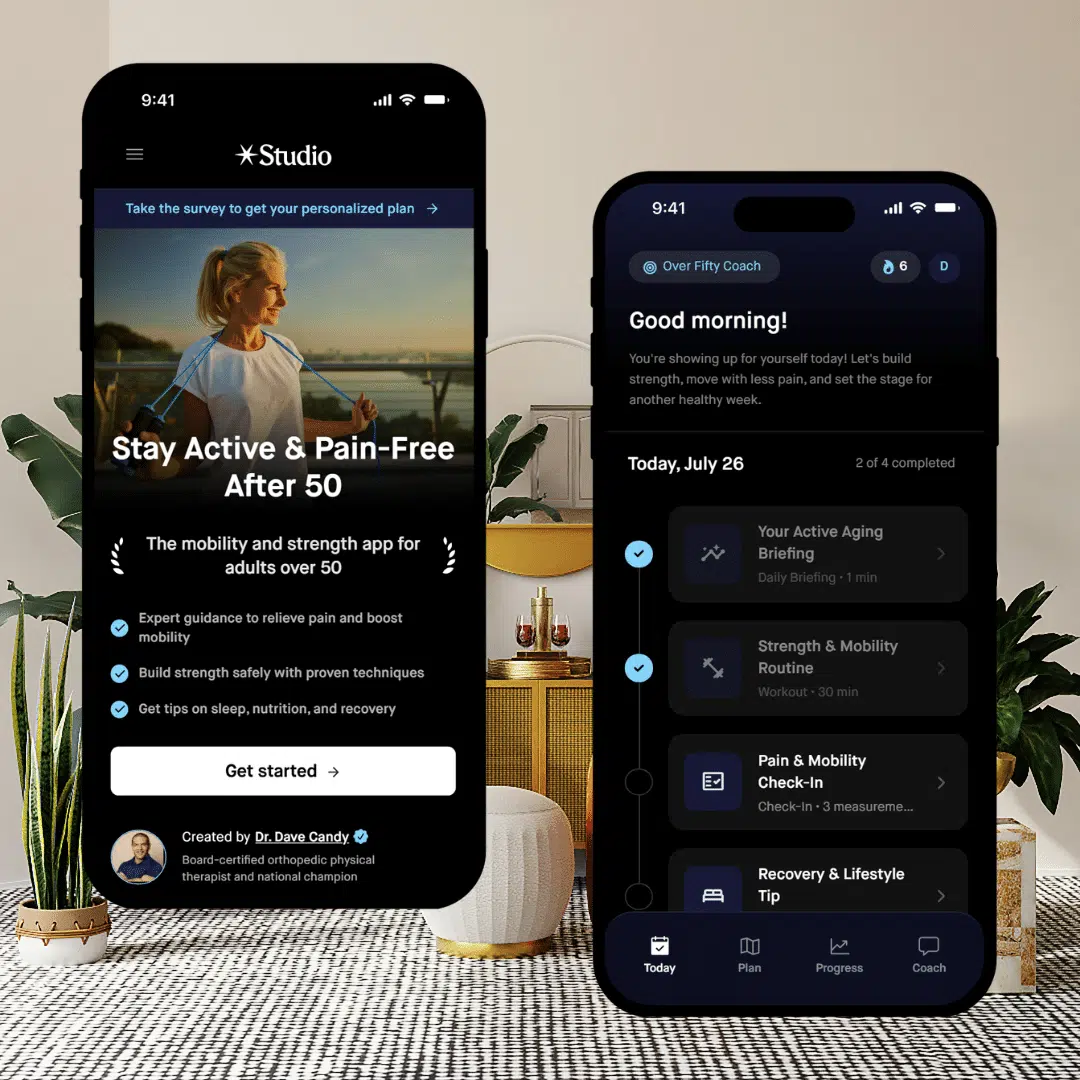
Need Help To Stay Strong and Mobile After 50?
Affiliate Disclosure: This post contains affiliate links to Amazon and/or other sites. While I only recommend products that I trust, as an Amazon Associate, I earn commission from qualifying purchases at no extra cost to you.
Medical Disclaimer: The content on this site is for educational and informational purposes only and is not intended as medical advice. Always consult with a qualified healthcare professional before beginning any new exercise program, diet, or supplement regimen, especially if you have pre-existing health conditions.