
Understanding What It Means to Throw Out Your Back
If you’ve recently thrown your back out, you know how debilitating and painful it can be. The term ‘throwing out your back’ is often used colloquially, but medically, it describes a sudden injury typically caused by lifting or bending. Contrary to popular belief, this does not mean your back has gone out of place or that you have a slipped disc; often, it’s simply a strong muscle spasm protecting your spine.
What Happens When You Throw Out Your Back?
When you repeatedly bend or lift from the same areas of your spine, particularly the L4-L5 and L5-S1 segments, you can develop excessive mobility in these joints. This hypermobility can lead to muscle spasms as your body tries to protect itself from injury. So, while the pain may be intense, it’s often your muscles reacting to safeguard your spine.
Immediate Relief for Back Pain
Experiencing back pain after an incident can be overwhelming, but there are several effective strategies for immediate relief. Here are some actionable steps to help calm your muscles and alleviate pain:
1. Rest Properly
When you throw out your back, lying down can help. Position yourself on your back with your knees bent; this posture reduces the stress on your spine. While resting, focus on your breathing. Inhale deeply through your belly and exhale slowly. This technique helps relax your muscles and activates your stabilizing abdominal muscles.
2. Gentle Stretching
Once you’ve found some comfort, gentle stretching can help relieve tension. A simple exercise is to get on all fours and rock back into a child’s pose. This position helps decompress your spine and alleviates pressure.
3. Gradual Movement
As the pain decreases, you can start to reintroduce bending movements. Begin by bending forward without weight-bearing. Lean on your legs, allowing your hands to support you as you gradually return to your natural posture. This method helps reduce the fear of bending, which can often accompany back injuries.
Preventing Future Back Injuries
After experiencing back pain, it’s crucial to take steps to avoid future episodes. Here are some preventive measures:
1. Proper Lifting Techniques
Always keep items close to your body when lifting. Avoid bending too far forward; instead, hinge at your hips and maintain a neutral spine. This technique reduces strain on your back muscles.
2. Core Strengthening
Strengthening your core muscles is essential for spinal support. While core exercises can often be misunderstood or overemphasized, a strong core plays a fundamental role in preventing back issues. Incorporate exercises that target your abdominal and lower back muscles into your routine.
3. Seek Professional Help
If you find yourself frequently throwing out your back, consider consulting a physical therapist. Early intervention can lead to faster recovery and help you learn proper movement patterns to prevent further injuries.
Conclusion
Throwing out your back is a common yet painful experience, but understanding how to manage and prevent it can significantly enhance your quality of life. By incorporating proper resting techniques, gentle stretches, and core strengthening exercises, you can reduce pain and minimize the risk of future injuries. If you need support, don’t hesitate to reach out to a physical therapist who can provide personalized guidance.
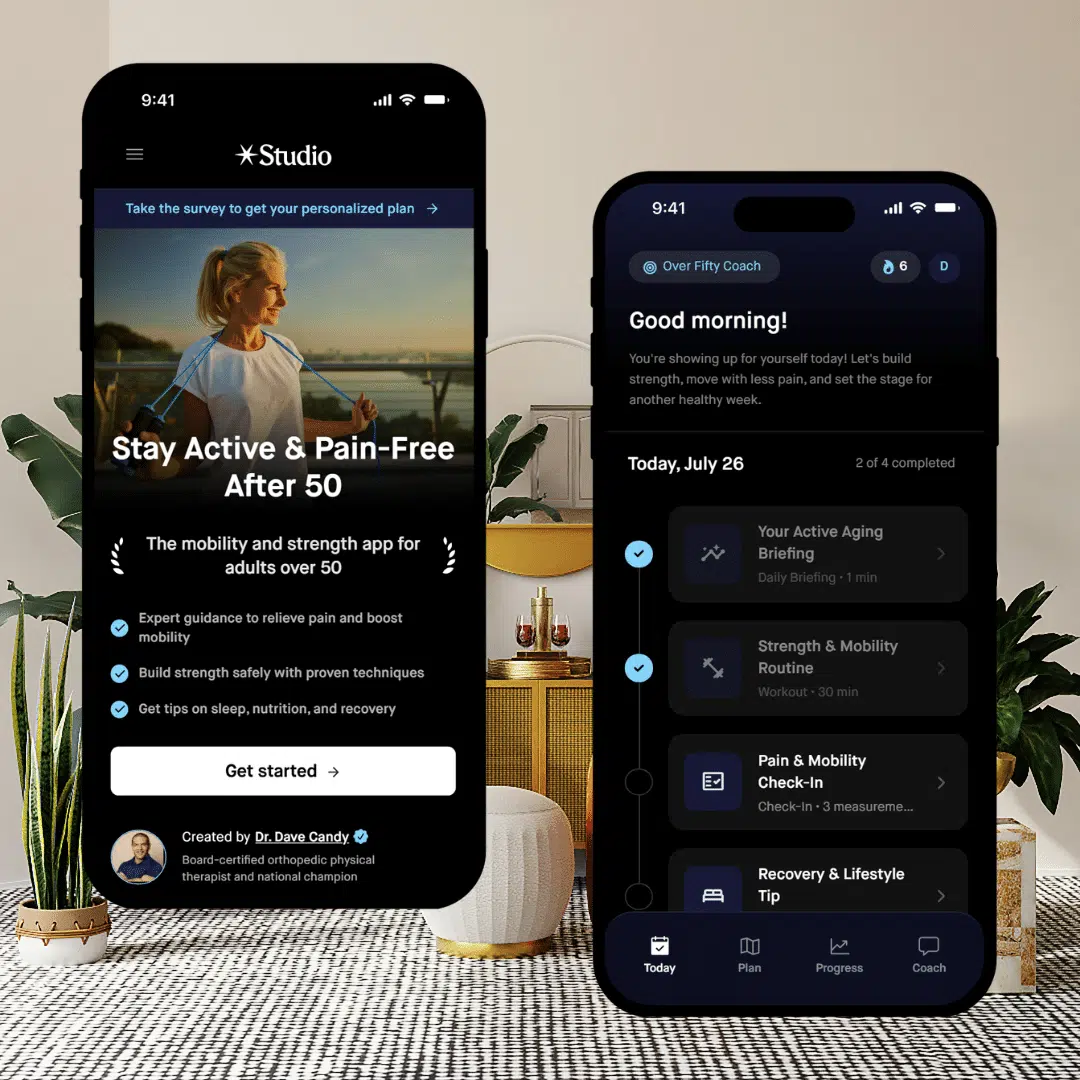
Need Help To Stay Strong and Mobile After 50?
Affiliate Disclosure: This post contains affiliate links to Amazon and/or other sites. While I only recommend products that I trust, as an Amazon Associate, I earn commission from qualifying purchases at no extra cost to you.
Medical Disclaimer: The content on this site is for educational and informational purposes only and is not intended as medical advice. Always consult with a qualified healthcare professional before beginning any new exercise program, diet, or supplement regimen, especially if you have pre-existing health conditions.