
Understanding the Importance of Hip Abductors
Many seniors believe that simply strengthening their legs is enough for fall prevention. However, research indicates that weakness in the hip abductor muscles plays a significant role in increasing fall risk. These muscles, primarily the gluteus medius and gluteus minimus, weaken faster with age compared to larger muscle groups like the quadriceps. Therefore, assessing and strengthening your hip abductors is crucial for maintaining balance and preventing falls.
How to Assess Your Hip Abductor Strength
To determine if your hip abductors are weak, you can perform three simple strength tests at home. Each test will help you understand your current strength level and guide you in developing a tailored exercise routine.
1. Gluteus Medius and Minimus Test
Start by lying on your side on a firm surface. Roll forward slightly to isolate the hip abductors. With your knee and toes turned up towards the ceiling, lift your leg away from your body. Hold this position for 10 seconds. If you can maintain stability without rolling back or hiking your pelvis, your strength is likely adequate. If you struggle or compensate, it’s time to strengthen these muscles.
2. One-Leg Balance Test
This test assesses both your hip abductor strength and balance. Stand on one leg while lifting the other. Your goal is to keep your pelvis level for 10 seconds. If you wobble significantly, you may need to work on your stability. Consider using support from a wall or furniture as you practice balancing.
3. Lunge Test
Perform a lunge by stepping forward and lowering your body while keeping your hip, knee, and toe in alignment. If your knee caves inward, it indicates weakness in your hip abductors. This is a functional test that highlights the importance of these muscles in maintaining proper alignment during movement.
Exercises to Strengthen Your Hip Abductors
Once you’ve assessed your strength, you can incorporate targeted exercises to improve your hip abductor function.
Isometric Holds
Repeat the gluteus medius and minimus test as an exercise. Roll forward, turn your knee and toes up, and hold the position for as long as possible. Aim for 10 repetitions, gradually working up to holding for 10 seconds each time.
Single-Leg Balancing
Practice standing on one leg, holding on to a stable surface if needed. Start with shorter durations and gradually increase your time until you can balance for 10 seconds without support.
Lunges with Alignment Focus
Perform lunges while ensuring your knee, hip, and toe remain aligned. Start with shallow lunges and gradually progress as your strength improves. Aim for 10 to 15 repetitions on each leg.
Conclusion: Take Charge of Your Balance
Regularly assessing and strengthening your hip abductors can significantly reduce your risk of falls. Remember, the tests you perform can also serve as exercises to help you improve. If you’re looking for more personalized guidance, consider tools like fitness apps that tailor a program to your specific needs.
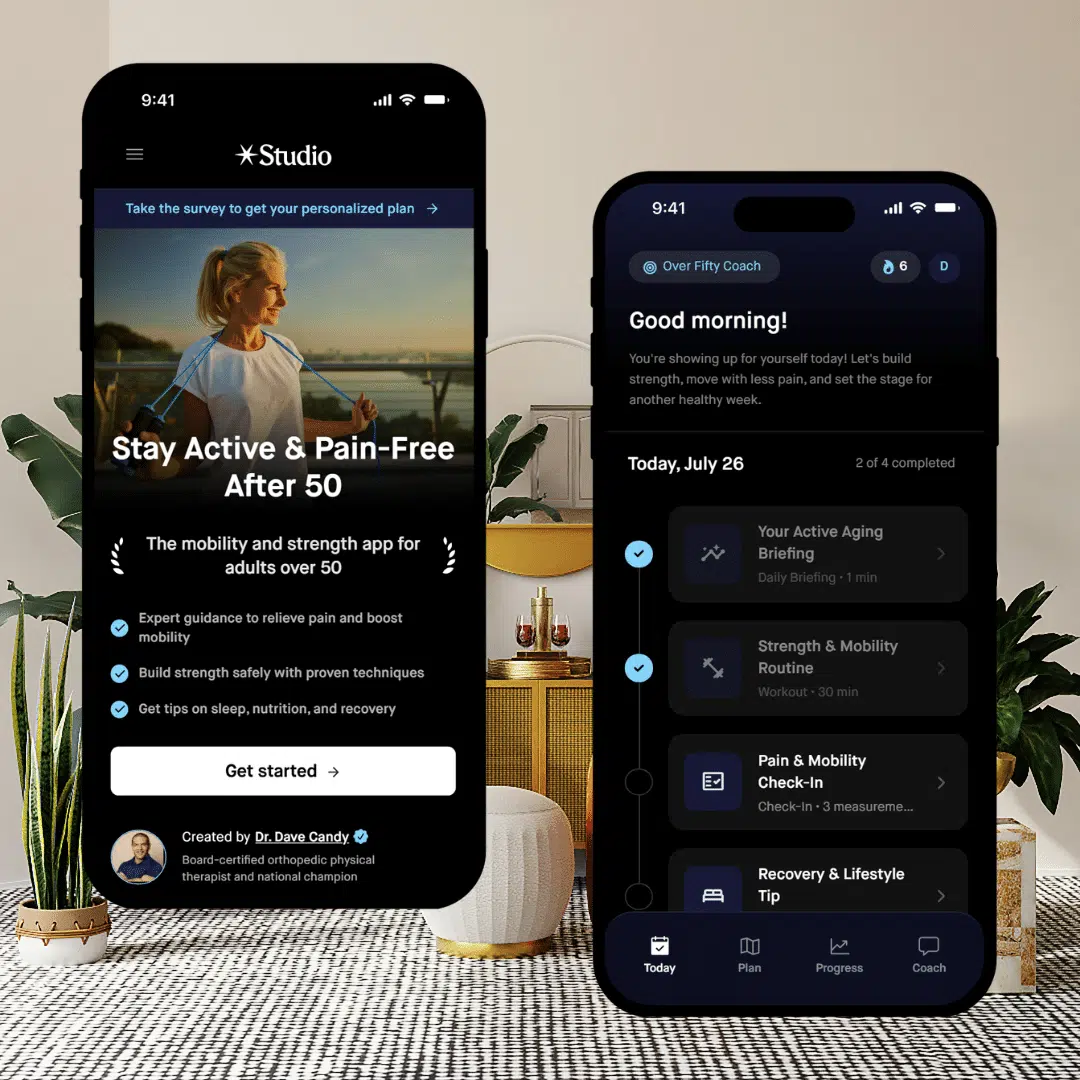
Need Help To Stay Strong and Mobile After 50?
Affiliate Disclosure: This post contains affiliate links to Amazon and/or other sites. While I only recommend products that I trust, as an Amazon Associate, I earn commission from qualifying purchases at no extra cost to you.
Medical Disclaimer: The content on this site is for educational and informational purposes only and is not intended as medical advice. Always consult with a qualified healthcare professional before beginning any new exercise program, diet, or supplement regimen, especially if you have pre-existing health conditions.