
Understanding Shoulder Pain in Swimming
Are you struggling with shoulder pain while swimming? Whether you are a competitive swimmer or enjoy swimming for fitness, shoulder discomfort can hinder your experience. In this post, we’ll explore the causes of shoulder pain during swimming, the strokes that are easiest on your shoulders, and exercises to alleviate pain and improve your stroke mechanics.
Causes of Shoulder Pain When Swimming
Swimming is an overhead sport that requires bringing your arms up over your head frequently. This motion can lead to the pinching of rotator cuff tendons between the shoulder ball and the arch above it. This can result in inflammation, swelling, and even tears of the rotator cuff. Additionally, muscle imbalances can develop, causing rounded shoulders and forward-tilted shoulder blades, which increases the risk of pinching these tendons.
Identifying Muscle Imbalances
These muscle imbalances often arise from repetitive swimming strokes, particularly if your technique is not optimal. Commonly, overdeveloped chest and lat muscles can pull your shoulders forward, exacerbating the issue. Understanding these dynamics is crucial to addressing your shoulder pain effectively.
Which Swimming Strokes Are Easiest on Your Shoulders?
If shoulder pain is a concern, breaststroke is typically the most shoulder-friendly option since it does not require lifting your arms overhead. It’s advisable to switch to this stroke until you can address your shoulder discomfort. Once you are ready to return to more demanding strokes like freestyle, backstroke, or butterfly, it’s essential to focus on improving your flexibility and technique.
Improving Flexibility for Better Swimming
Flexibility is key to preventing shoulder pain while swimming. Regular stretching of the chest and lat muscles can help maintain a healthy range of motion. Here are some effective stretches:
- Chest Stretch: Stand against a wall or in a door frame. With arms at shoulder height, pull your shoulders back and gently rotate your arms outward to stretch the chest.
- Lat Stretch: Raise one arm overhead while keeping your elbow straight. Lean to the opposite side to stretch the lat muscle.
Ensure you are maintaining an external rotation of the shoulder as you stretch, as this helps prevent irritation of the rotator cuff tendons. Regularly incorporating these stretches into your routine can facilitate better swimming mechanics.
Enhancing Stroke Mechanics
To swim effectively while minimizing shoulder strain, consider the following tips for different strokes:
Freestyle
When swimming freestyle, it’s crucial to engage your body roll. This technique helps distribute movement more evenly across your body rather than concentrating it all in your shoulders. Maintain an externally rotated arm position during the stroke to reduce the risk of pinching the rotator cuff.
Backstroke
Similar mechanics apply to backstroke. Focus on body rotation and maintaining an external rotation of the shoulder as you lift your arm out of the water and re-enter. This minimizes strain on the shoulder joint.
Butterfly
Butterfly is the most challenging stroke in terms of shoulder strain, as it requires simultaneous arm movement. Ensure you have the flexibility to allow your shoulder blades to retract properly. Continuous stretching and strengthening of the shoulder muscles will support your ability to perform this stroke without discomfort.
Next Steps for Swimmers
If you’re a competitive swimmer, avoid making drastic changes to your technique during the season. Discuss any adjustments with your coach and incorporate them during the off-season. For those seeking personalized guidance, consider consulting with a physical therapist specializing in shoulder pain and swimming mechanics. They can help identify specific factors affecting your pain and provide tailored strategies for relief.
By focusing on flexibility, technique, and strength, you can swim comfortably without shoulder pain. Remember, addressing these issues early on can prevent more severe injuries in the future.
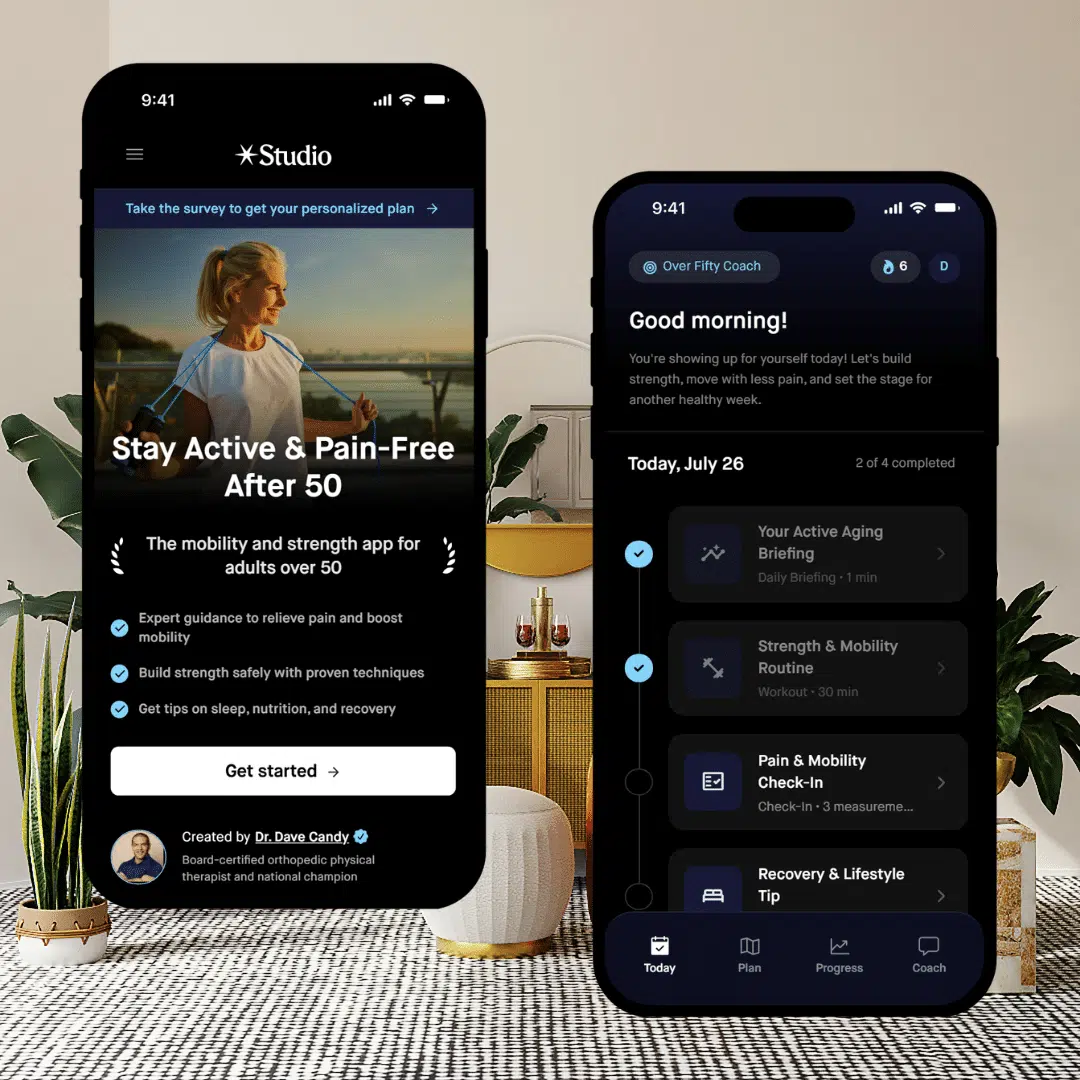
Need Help To Stay Strong and Mobile After 50?
Affiliate Disclosure: This post contains affiliate links to Amazon and/or other sites. While I only recommend products that I trust, as an Amazon Associate, I earn commission from qualifying purchases at no extra cost to you.
Medical Disclaimer: The content on this site is for educational and informational purposes only and is not intended as medical advice. Always consult with a qualified healthcare professional before beginning any new exercise program, diet, or supplement regimen, especially if you have pre-existing health conditions.