
Understanding Labral Tears in the Shoulder
If you’ve been diagnosed with a labral tear in your shoulder, it can be frightening. Understanding what a labral tear is and how to treat it is crucial for recovery. The labrum is a ring of cartilage that stabilizes the shoulder joint, much like a golf ball sitting on a tee. When injured, it can lead to instability and pain during movement.
Types of Labral Tears
There are three primary types of labral tears:
- Bankart Lesion: Common in younger athletes, this tear typically results from traumatic injuries such as dislocations.
- SLAP Lesion: An acronym for Superior Labrum Anterior to Posterior, this tear is common in overhead athletes, like swimmers or volleyball players.
- Degenerative Tear: Often seen in middle-aged to older individuals, this type of tear is the result of wear and tear over time.
Symptoms of a Labral Tear
Symptoms may vary depending on the type of tear but commonly include:
- Pain during shoulder movement
- Instability in the shoulder joint
- Clicking or popping sensations
- Reduced range of motion
Initial Assessment and Diagnosis
If you suspect a labral tear, consult a healthcare professional for an accurate diagnosis. An MRI is typically used to visualize the extent of the tear and determine the best course of action.
Treatment Options for Labral Tears
The treatment approach may vary based on the severity and type of labral tear. Here are the common strategies:
Conservative Treatment
Most labral tears can be effectively treated with conservative methods:
- Physical Therapy: Engaging in targeted exercises can help restore shoulder strength and stability. Focus on strengthening the rotator cuff and improving coordination between the shoulder and shoulder blade.
- Rest and Activity Modification: Avoiding activities that exacerbate pain is crucial. Allowing your shoulder to rest can promote healing.
- Ice and Anti-inflammatory Medication: Applying ice and taking anti-inflammatory medications can alleviate pain and swelling.
When to Consider Surgery
If conservative treatment fails after a period of 6-8 weeks, surgical options may be considered. Indications for surgery include:
- Persistent pain or disability
- Inability to return to normal activities or competitive sports
- Severe instability of the shoulder joint
Rehabilitation Exercises
Once cleared by a healthcare professional, incorporating rehabilitation exercises is essential for recovery:
Initial Exercises
Start with basic movements to enhance shoulder coordination:
- Shoulder Blade Elevation: As you raise your arm overhead, ensure your shoulder blade moves in tandem, improving stability.
- Rotational Exercises: Focus on performing rotations with your arm at various angles, especially above 90 degrees.
Progressing to Strengthening
As you progress, introduce strength-building exercises:
- Incorporate resistance bands for rotator cuff strengthening while ensuring shoulder stability.
- Utilize dynamic positions to simulate real-life movements, enhancing functional strength.
Conclusion: Next Steps for Recovery
Recovery from a labral tear in the shoulder can be a lengthy process, but with proper treatment and rehabilitation, many individuals return to their daily activities and sports. If you are in St. Louis and need assistance, consider reaching out for specialized physical therapy. For those outside the area, consult a healthcare professional to develop a personalized recovery plan.
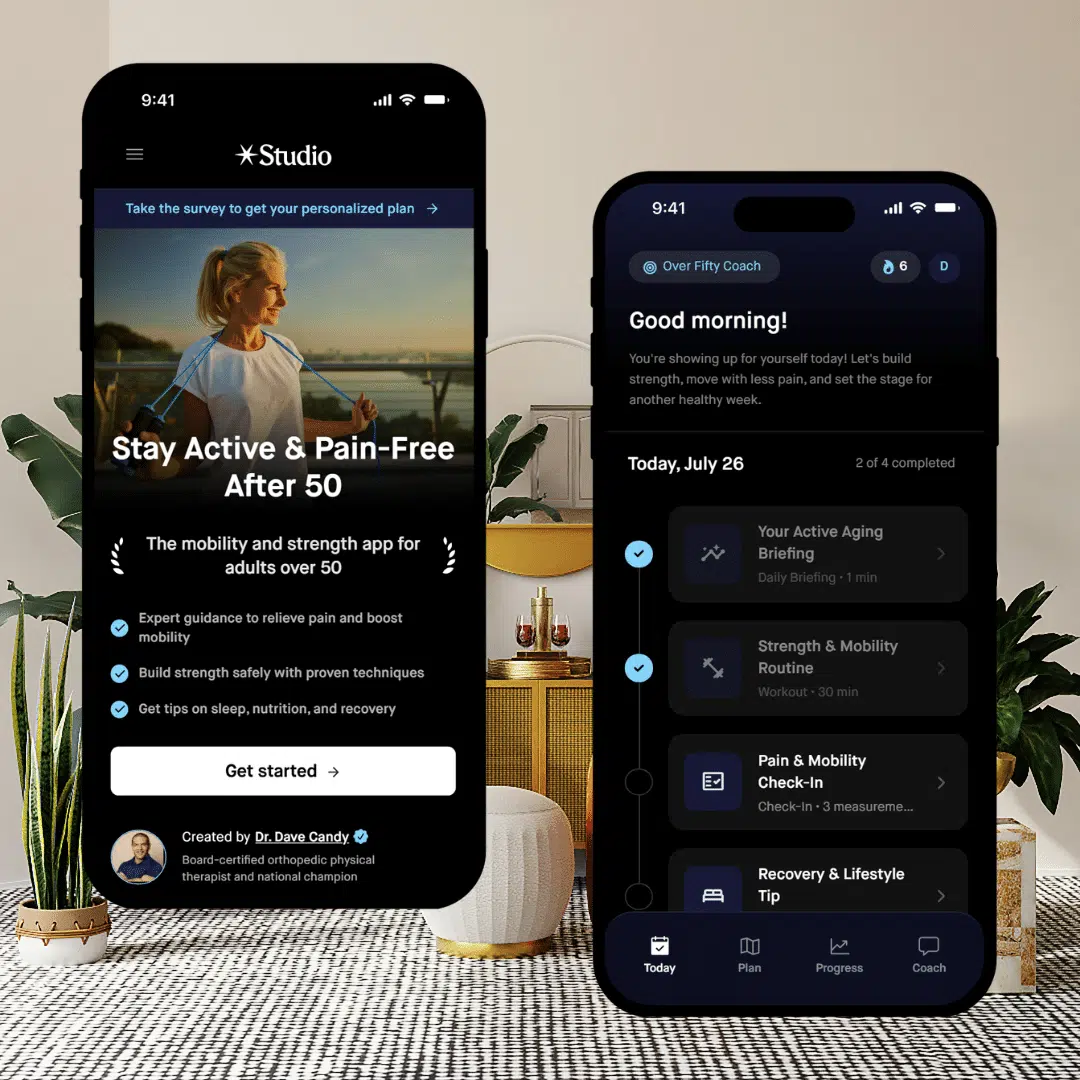
Need Help To Stay Strong and Mobile After 50?
Affiliate Disclosure: This post contains affiliate links to Amazon and/or other sites. While I only recommend products that I trust, as an Amazon Associate, I earn commission from qualifying purchases at no extra cost to you.
Medical Disclaimer: The content on this site is for educational and informational purposes only and is not intended as medical advice. Always consult with a qualified healthcare professional before beginning any new exercise program, diet, or supplement regimen, especially if you have pre-existing health conditions.