
Introduction to NMES for Knee Recovery
If you’ve recently undergone a knee replacement, regaining your quadriceps muscle function is vital for a successful recovery. One of the most effective methods to achieve this is through NMES, or neuromuscular electrical stimulation. This technique helps activate your quadriceps muscles, especially important after surgery when swelling can inhibit muscle function.
Understanding NMES: What Is It?
NMES is not to be confused with a TENS unit, which primarily focuses on pain control. Instead, NMES is designed to create full muscle contractions, essential for waking up your quads after knee surgery. Research has shown that using NMES can significantly improve muscle strength and function in the weeks following a knee replacement.
The Importance of Quadriceps Rehabilitation
After a knee replacement, many patients experience arthrogenic muscle inhibition, where swelling affects muscle activation. This is where NMES comes into play, providing electrical stimulation to help regain muscle function faster. Studies indicate that those who incorporate NMES alongside conventional rehabilitation see improved results.
Research Findings on NMES
A pivotal study published in 2011 demonstrated the benefits of NMES for patients recovering from knee replacement. Participants who used NMES in conjunction with traditional rehab displayed stronger quadriceps and hamstrings, improved performance in timed mobility tests, and greater walking distances in just a few weeks compared to those who only received conventional therapy.
Optimal NMES Protocol
To effectively use NMES, it’s crucial to follow a specific protocol. The study began NMES on postoperative day two, with sessions conducted twice daily for six weeks. If you’re past that time frame, starting now can still be beneficial.
How to Use NMES Effectively
When utilizing NMES, the settings on the device are vital. Here are some key parameters to consider:
- Pulse Width: Set between 300 to 400 microseconds for optimal comfort and muscle activation.
- Frequency: Aim for 50 pulses per second.
- Duty Cycle: A 1:3 to 1:5 ratio is recommended, with contractions lasting 15 seconds followed by 45 seconds of rest.
With these settings, you can expect to perform 15 contractions in a single session, making the most out of each treatment.
Choosing the Right NMES Unit
Not all electrical stimulation units are created equal. The Balego NMES unit is specifically designed for this purpose and allows for the necessary parameter adjustments that typical TENS units do not. This distinction is crucial for achieving the desired muscle contractions and results.

Managing Swelling Post-Surgery
Alongside NMES, managing swelling is essential to prevent muscle inhibition. Effective strategies for controlling swelling include:
- Elevating the leg when resting.
- Applying ice packs to the knee.
- Using compression wraps.
Combining these strategies with NMES can expedite your recovery and improve overall outcomes.
Next Steps in Your Recovery Journey
As you embark on your rehabilitation journey after knee replacement, consider incorporating NMES into your daily routine. Whether you’re just starting or have been recovering for some time, this technique can provide the boost needed to regain quadriceps function effectively.
Read this post for tips on reducing swelling after a knee replacement surgery to further help improve your quadriceps function.
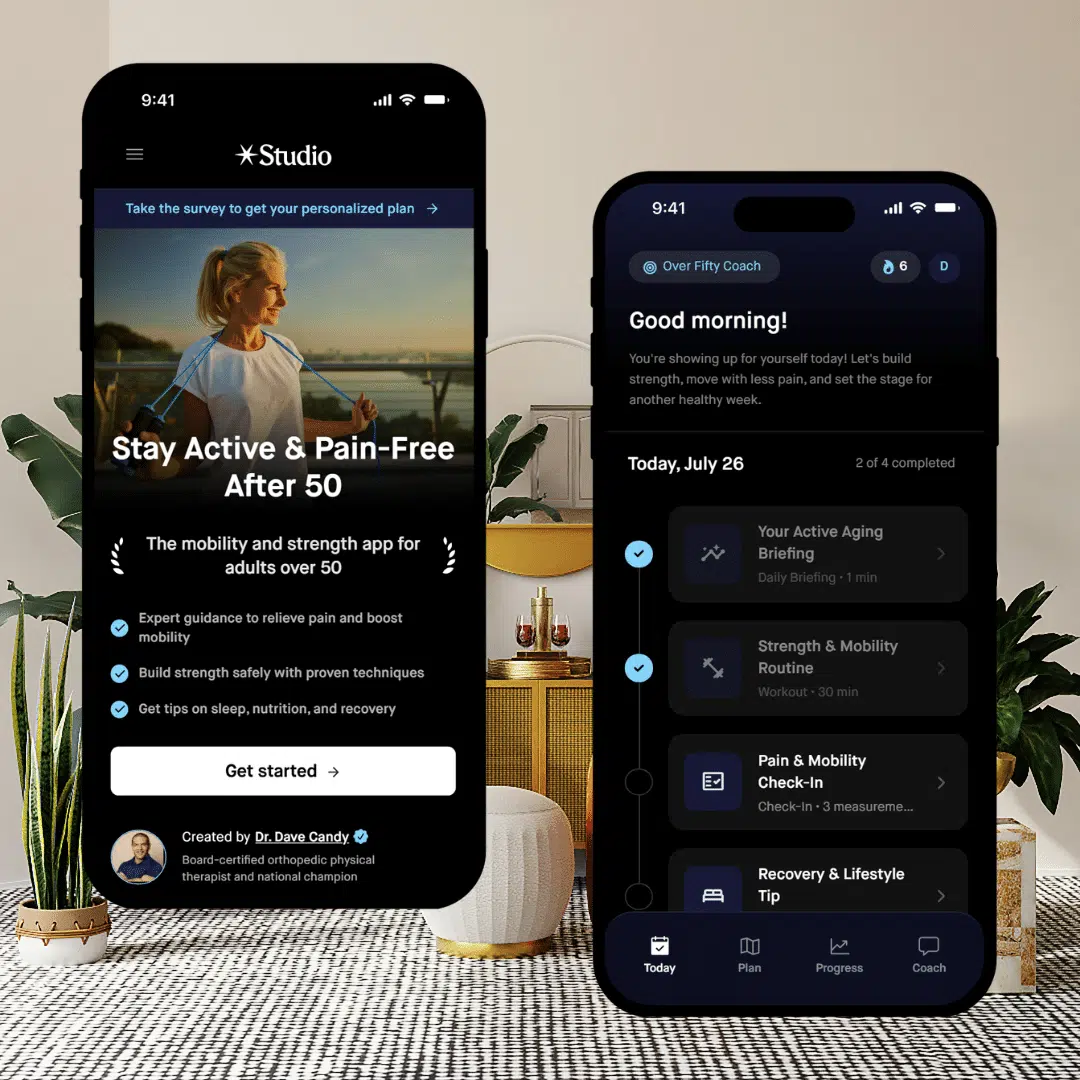
Need Help To Stay Strong and Mobile After 50?
Affiliate Disclosure: This post contains affiliate links to Amazon and/or other sites. While I only recommend products that I trust, as an Amazon Associate, I earn commission from qualifying purchases at no extra cost to you.
Medical Disclaimer: The content on this site is for educational and informational purposes only and is not intended as medical advice. Always consult with a qualified healthcare professional before beginning any new exercise program, diet, or supplement regimen, especially if you have pre-existing health conditions.