
Understanding Carpal Tunnel Syndrome
Carpal Tunnel Syndrome (CTS) is a condition caused by compression of the median nerve in the wrist. This can lead to symptoms such as pain, numbness, and tingling in the hand and fingers. Choosing the right carpal tunnel syndrome brace can significantly alleviate these symptoms, especially at night when wrist flexion may occur during sleep.
When to Use a Carpal Tunnel Brace
Wearing a carpal tunnel syndrome brace is particularly beneficial at night. Many people unknowingly curl their wrists while sleeping, which can exacerbate symptoms. Additionally, if your daily activities involve repetitive motions, such as typing or using tools, a brace can provide necessary support and relief.
Key Features to Look For
When selecting a brace, consider the following features to ensure it meets your needs:
- Wrist Position: The brace should maintain your wrist in a neutral position, ideally with slight extension (about 10 degrees). This helps minimize pressure on the median nerve.
- Stability: A good brace should limit wrist mobility to prevent flexion. Look for braces with a firm support structure, such as metal or hard plastic components.
- Comfort: Comfort is crucial for consistent use. Materials should be breathable and washable to manage sweat, particularly if worn overnight.
Review of the Compress Carpal Tunnel Brace
In this post, we will review the Compress carpal tunnel brace, which has been noted for its comfort and functionality. This brace features:
- Interchangeable design suited for either hand, eliminating the need to buy separate braces.
- A firm plate on the palmar side to ensure your wrist remains stable.
- Soft padding that resembles bean bag material for added comfort during prolonged use.
Putting On the Brace
To wear the Compress brace, follow these simple steps:
- Slide your hand into the brace, ensuring it fits snugly.
- Wrap the straps around your wrist, adjusting them for comfort.
- Make sure the brace holds your wrist in the desired position without excessive tightness.
Potential Downsides
While braces can provide significant relief, they do have some drawbacks. One common concern is heat retention, which can be uncomfortable during warmer months or overnight. Additionally, some braces may have straps that can irritate the skin if not positioned correctly.
Final Thoughts
Choosing the right carpal tunnel syndrome brace is essential for managing symptoms effectively. Look for a brace that maintains your wrist in a slight extension, provides firm support, and is made from comfortable materials. Whether you select the Compress brace or another option, prioritize comfort and functionality to ensure you wear it consistently for relief.
If you experience persistent symptoms of carpal tunnel syndrome, consult with a healthcare professional to explore further treatment options.
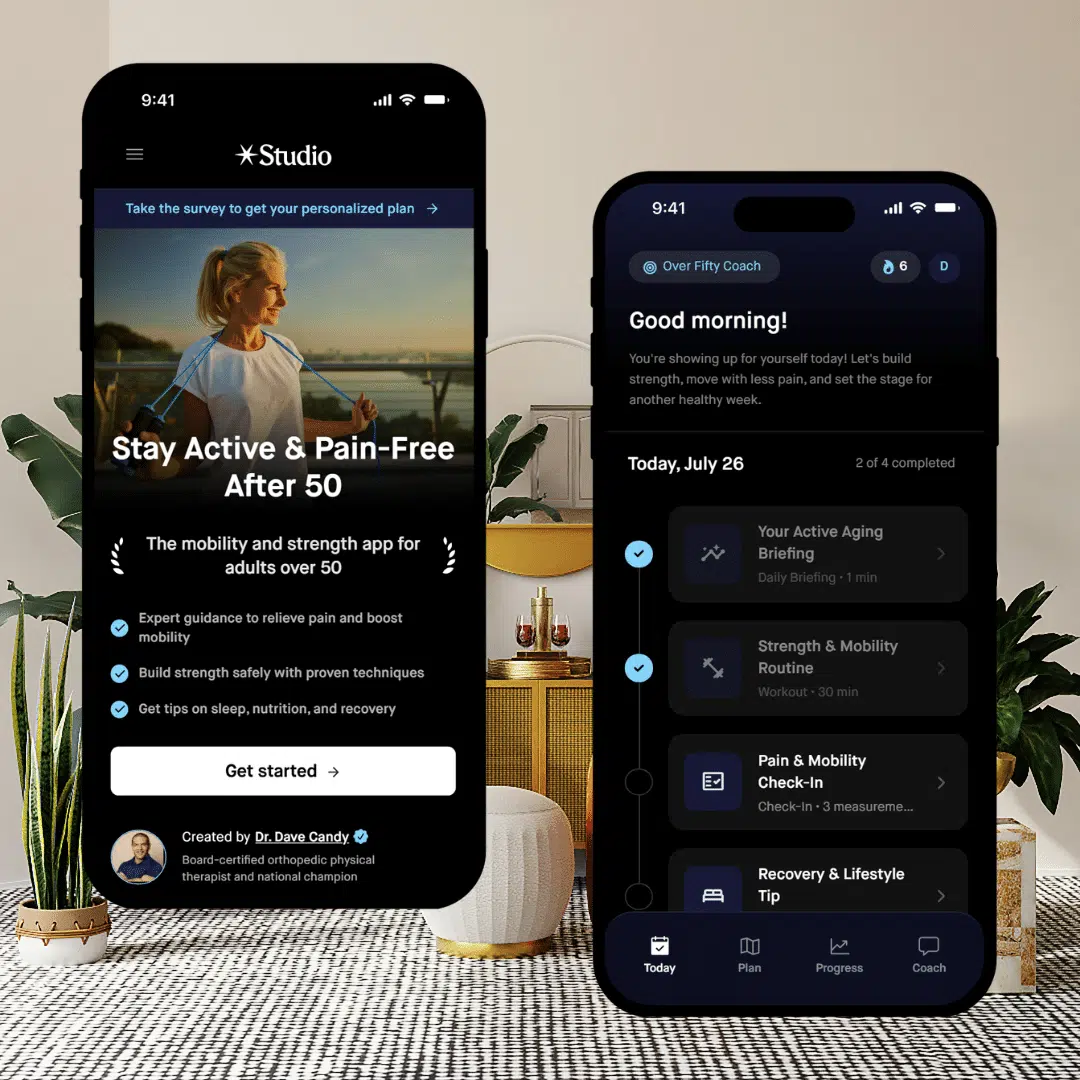
Need Help To Stay Strong and Mobile After 50?
Affiliate Disclosure: This post contains affiliate links to Amazon and/or other sites. While I only recommend products that I trust, as an Amazon Associate, I earn commission from qualifying purchases at no extra cost to you.
Medical Disclaimer: The content on this site is for educational and informational purposes only and is not intended as medical advice. Always consult with a qualified healthcare professional before beginning any new exercise program, diet, or supplement regimen, especially if you have pre-existing health conditions.