
Understanding Chronic Back Pain
Chronic back pain is a common issue that many individuals face, often resulting in frustration and despair. If you’re wondering why your back pain won’t go away, it’s essential to understand that this condition is complex and multifaceted. While some solutions may work for many people, they may not be effective for everyone. In this article, we’ll explore the common causes of persistent back pain and provide actionable tips to help you find relief.
Common Causes of Chronic Back Pain
One of the most prevalent causes of chronic back pain is hypermobility. Hypermobility refers to excessive movement in one area of the spine, which can lead to instability and discomfort. Many people may not even recognize that they have hypermobility, especially if they feel stiffness in their back rather than excessive movement.
Symptoms of hypermobility include:
- Stiffness after prolonged sitting or standing
- Difficulty returning to an upright position after bending over
- Frequent visits to the chiropractor without lasting relief
If you identify with these symptoms, you may have hypermobility affecting your spine.
Why Common Treatments May Fail
Many individuals turn to medications, surgeries, or stretching to alleviate their back pain, but these solutions may not address the root cause:
- Medications: While pain medications and anti-inflammatories can temporarily mask symptoms, they often do not correct the underlying issue.
- Surgery: Procedures like discectomy or spinal fusion can provide temporary relief but may lead to further complications or hypermobility in other areas of the spine.
- Stretching: Although stretching can feel good initially, it may exacerbate hypermobility if not done correctly.
Effective Tips for Relieving Chronic Back Pain
Now that we’ve covered the common causes and shortcomings of various treatments, let’s focus on some actionable tips to help manage chronic back pain effectively.
1. Maintain Proper Posture
Proper posture is crucial in managing chronic back pain. Individuals with hypermobility often feel stiff when maintaining one position for too long. Aim for a neutral spine posture, which can be achieved by:
- Sitting with your back against the chair to support your spine
- Tucking your pelvis underneath to maintain stability while standing
Regularly changing positions can also help prevent stiffness and discomfort.
2. Stretch Wisely
Stretching can be beneficial but should be approached with caution. Focus on stretching the muscles that feel tight rather than overextending hypermobile joints. Consider the following:
- Forward bending stretches can help alleviate tension in the lower back.
- Incorporate gentle rocking motions, such as child’s pose or all-fours rocking, to improve mobility without overstretching.
3. Strengthen Your Core with Control
Core strengthening is often recommended, but it’s essential to focus on motor control rather than sheer strength. Instead of aggressive core workouts, aim to learn how to:
- Activate and coordinate the right muscles at the right time.
- Stabilize your spine while performing daily activities.
Consider working with a physical therapist to develop a personalized plan that focuses on motor control.
4. Address Psychosocial Factors
Your mental state can significantly influence your pain perception. It’s important to recognize that while chronic pain is real, psychological factors can amplify discomfort. Techniques such as:
- Mindfulness and relaxation exercises
- Diaphragmatic breathing
can help you manage your pain more effectively.
5. Target Specific Muscle Groups
Certain muscle groups, such as the hip flexors and quadratus lumborum, often become tight and contribute to back pain. You can relieve tension by:
- Performing gentle stretches for the hip flexors, ensuring your lower back stays flat.
- Using breathing techniques to relax the quadratus lumborum while stretching.
Conclusion
Chronic back pain can be debilitating, but understanding the underlying causes and employing effective strategies can lead to relief. Remember, everyone’s experience with back pain is unique, and what works for one person may not work for another. It’s crucial to approach treatment holistically and consider all factors contributing to your pain. If your pain persists, consult a healthcare professional for personalized advice.
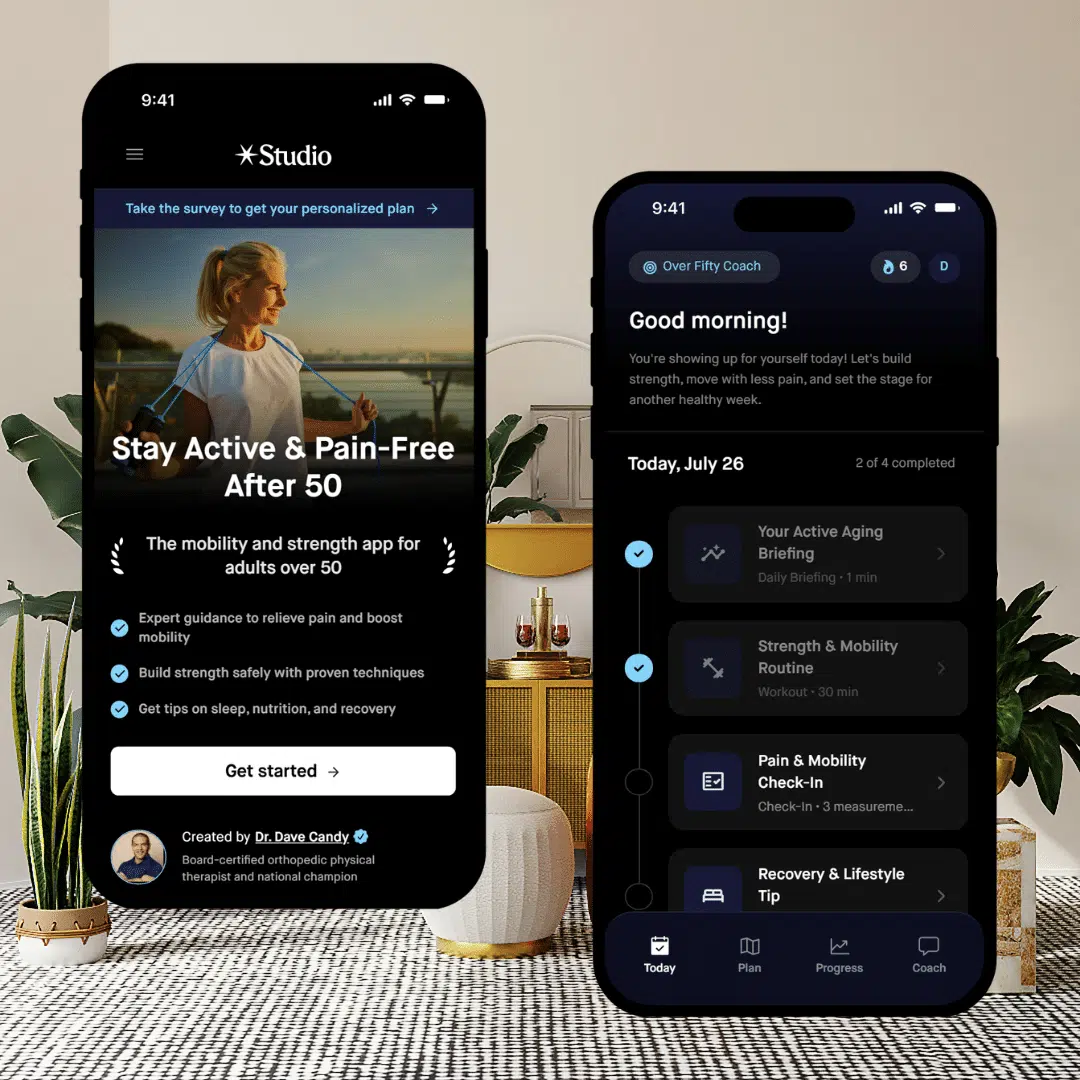
Need Help To Stay Strong and Mobile After 50?
Affiliate Disclosure: This post contains affiliate links to Amazon and/or other sites. While I only recommend products that I trust, as an Amazon Associate, I earn commission from qualifying purchases at no extra cost to you.
Medical Disclaimer: The content on this site is for educational and informational purposes only and is not intended as medical advice. Always consult with a qualified healthcare professional before beginning any new exercise program, diet, or supplement regimen, especially if you have pre-existing health conditions.