
Understanding Hip Bursitis
Hip bursitis, often referred to as hip pain, occurs when the bursa—small fluid-filled sacs that cushion the hip joint—become inflamed. The bursa helps reduce friction between the bones and the surrounding soft tissues. It’s crucial to recognize that sometimes the discomfort stems from irritation of the tendons around the bursa rather than the bursa itself.
Exercises to Avoid with Hip Bursitis
When dealing with hip bursitis, many individuals instinctively turn to stretching exercises to alleviate their discomfort. However, some common exercises can inadvertently exacerbate the issue.
1. Avoid the Glute Stretch
One common exercise that people often perform is the glute stretch. This involves crossing one leg over the body to stretch the gluteal muscles. While this may feel good temporarily, overstretching can aggravate the irritation already present in the hip area. If overstretching is the cause of the inflammation, performing this stretch can worsen the situation.
2. Avoid IT Band Stretch
Another exercise to steer clear of is the IT band stretch, where one leg is crossed in front of the other while pushing the hip out to the side. The IT band is a robust connective tissue that cannot be effectively stretched. Attempting to do so not only fails to help but may also stretch the gluteal muscles further, leading to increased pain and discomfort.
Listening to Your Body
It’s essential to recognize that pain is a signal from your body. Avoid any activities that cause discomfort, including running, lunges, or walking long distances. These exercises are not inherently harmful but can become problematic if they trigger pain.
What to Do Instead
Instead of stretching, focus on strengthening the hip area. Strengthening exercises can help stabilize the hip and alleviate pain. Here are some effective alternatives:
1. Single Leg Stance
Practicing standing on one leg can significantly strengthen the gluteal muscles. Start by shifting your weight to one leg and lifting the opposite foot off the ground. Ensure your pelvis remains level. If needed, hold onto a sturdy surface for support as you practice balancing.
2. Incorporate a Cane
Using a cane can provide additional support while walking, allowing you to maintain a level pelvis and prevent further irritation. It’s important to not become dependent on the cane but to use it as a tool to assist in your recovery.
3. Strengthening Exercises
As you progress, integrate more vigorous strengthening exercises, such as single-leg squats or lunges. These exercises help build strength in the hip muscles, which can improve stability and reduce pain.
Maintaining Proper Posture
Posture is crucial when managing hip bursitis. Avoid activities that cause the hip muscles to stretch unduly, such as:
- Sitting with legs crossed
- Standing with weight shifted to one leg
- Lying on your side with one leg draped over the other
These positions can exacerbate the irritation in the hip area.
Managing Muscle Tightness
Sometimes, the hip muscles may feel tight despite being overstretched. This can be due to trigger points or knots in the muscle fibers. Instead of stretching, consider methods to release these knots without further aggravating the muscle.
Conclusion: The Next Steps
In summary, if you’re dealing with hip bursitis, avoid the glute and IT band stretches. Instead, focus on strengthening your hip muscles through single-leg stances and proper walking techniques. If necessary, utilize a cane for support. By listening to your body and making these adjustments, you can effectively manage your hip pain and work towards recovery.
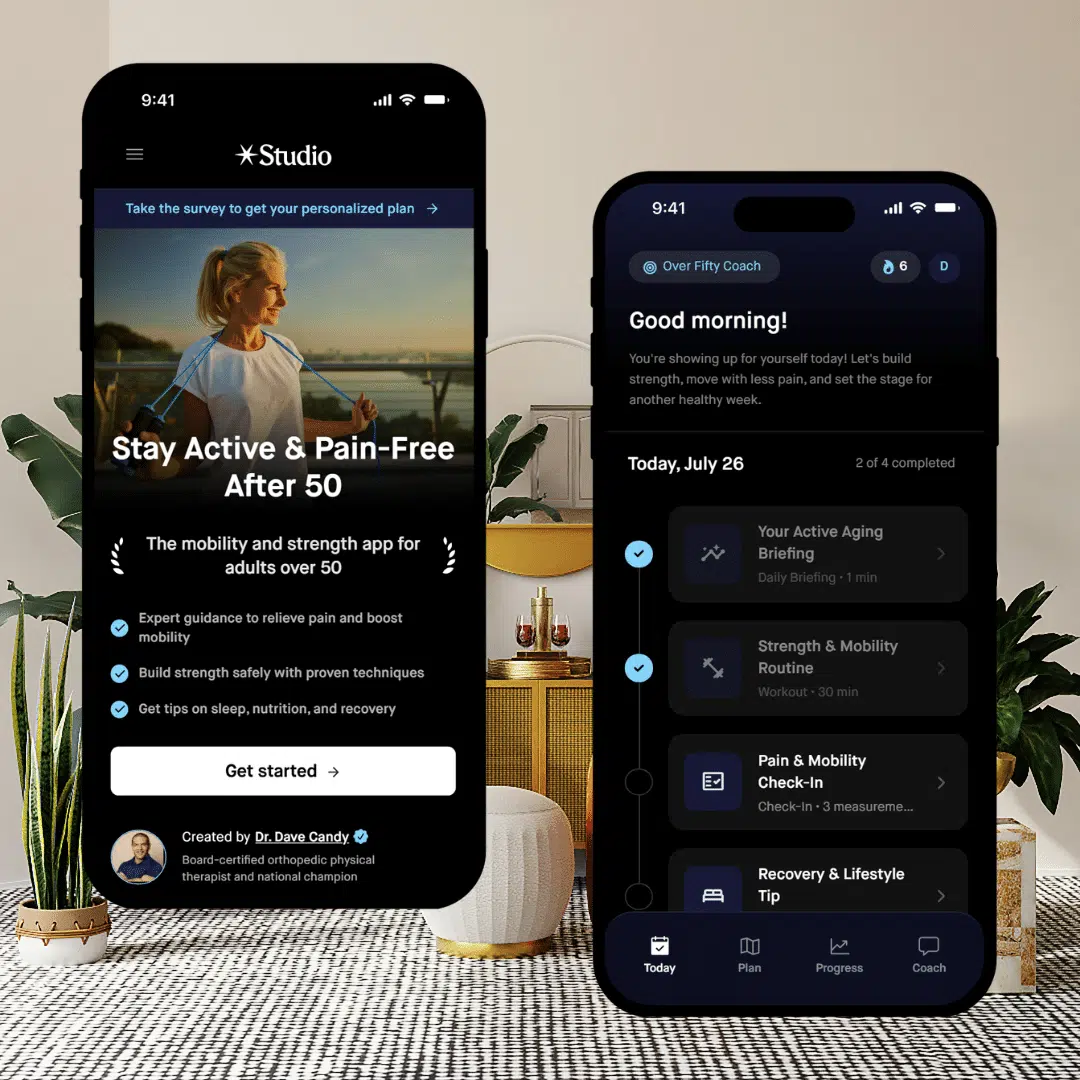
Need Help To Stay Strong and Mobile After 50?
Affiliate Disclosure: This post contains affiliate links to Amazon and/or other sites. While I only recommend products that I trust, as an Amazon Associate, I earn commission from qualifying purchases at no extra cost to you.
Medical Disclaimer: The content on this site is for educational and informational purposes only and is not intended as medical advice. Always consult with a qualified healthcare professional before beginning any new exercise program, diet, or supplement regimen, especially if you have pre-existing health conditions.