
Understanding Posture Myths
As we age, many seniors become increasingly concerned about their posture, often to avoid back pain, neck pain, and shoulder pain. However, there are three common posture myths that may actually worsen your posture. By debunking these myths, you can enhance your posture and feel younger.
Myth 1: Standing Up Tall
Many people believe that standing up tall is the best position for their back. However, this can lead to increased pain. The issue lies in arching the lower back, which can jam the joints together and narrow the spaces for the nerve roots. This is especially problematic as we age and lose height between our vertebrae.
Correcting Your Posture
Instead of forcing a tall posture through the lower back, focus on aligning your hips and thoracic spine. Begin with a simple hip flexor stretch:
- Roll your pelvis underneath to flatten the lower back.
- Push your hips forward until you feel a stretch in the front of your hips—avoid excessive arching.
To improve upper back posture, try this exercise:
- Stand with your lower back against a wall, attempting to flatten your lower back against it.
- Lift your chest and breathe deeply while pushing your belly out.
- Place your arms like a goalpost and gently rotate them back towards the wall, holding for 60 seconds.
Myth 2: Pulling Shoulder Blades Down and Back
Another common myth is that pulling your shoulder blades down and back is the solution to poor shoulder posture. This can actually increase tension on your neck and misalign your shoulder blades, leading to discomfort.
Natural Alignment
Instead of forcing your shoulders back, think about lifting your sternum. This allows your shoulders to align naturally without putting extra strain on your neck. Remember, correcting rounded shoulders often starts with addressing thoracic rounding.
Myth 3: Performing Chin Tucks
Many believe that doing a chin tuck or cervical retraction will help align the head over the neck and shoulders. However, this can lead to discomfort if the underlying posture is not corrected first.
Building a Strong Foundation
To achieve better posture, start from the foundation:
- Correct your lower back posture first.
- Then, adjust your upper back posture.
- Your head should naturally fall into place without forceful retraction.
The Importance of Movement
It’s crucial to remember that there is no one-size-fits-all perfect posture. Everyone’s body is different, and maintaining good posture means frequently changing positions. The best posture is simply your next posture—keep moving!
Conclusion
By dispelling these three posture myths, you can alleviate pain and improve your overall well-being. Implementing these corrective exercises into your daily routine can help you look and feel younger. Remember, the key to good posture lies in understanding your body and making small adjustments.
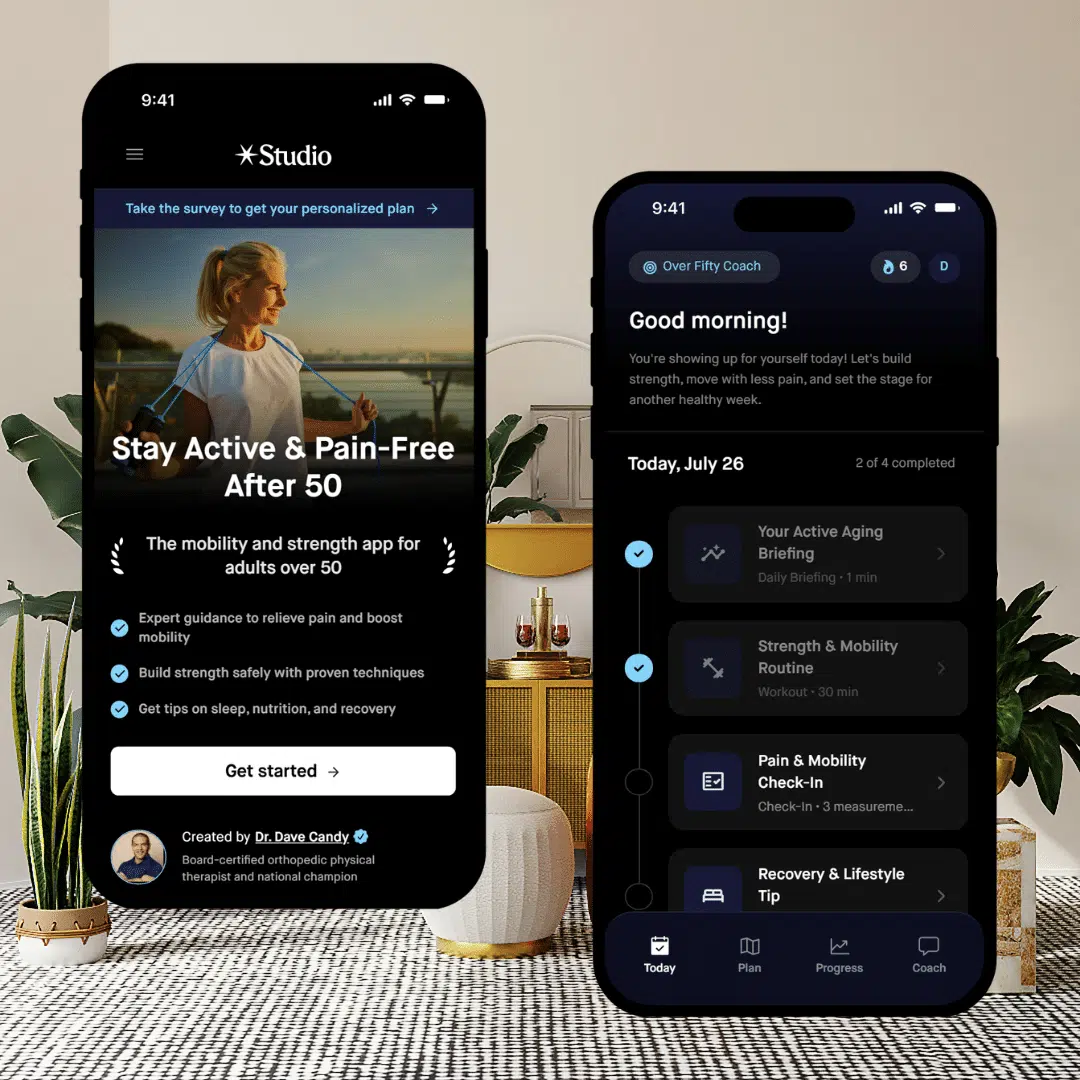
Need Help To Stay Strong and Mobile After 50?
Affiliate Disclosure: This post contains affiliate links to Amazon and/or other sites. While I only recommend products that I trust, as an Amazon Associate, I earn commission from qualifying purchases at no extra cost to you.
Medical Disclaimer: The content on this site is for educational and informational purposes only and is not intended as medical advice. Always consult with a qualified healthcare professional before beginning any new exercise program, diet, or supplement regimen, especially if you have pre-existing health conditions.