
Understanding Mid Back Pain
Mid back pain, often felt just below the shoulder blades, can be a frustrating issue for many. Though not as prevalent as lower back pain, it can still significantly impact daily activities. Fortunately, in most cases, mid back pain is manageable with the right exercises and strategies. This article will introduce you to four effective exercises that can relieve mid back pain without requiring you to get on the floor.
What Causes Mid Back Pain?
The thoracic spine, which is the area between the bottom of your shoulder blades and the base of your ribcage, normally has a slight forward rounding or kyphosis curve. Excessive rounding or stiffness in this area often leads to discomfort. Interestingly, pain felt directly on the spine may not stem from this stiff area, but rather from regions where the spine becomes excessively mobile.
Additionally, mid back pain could be a sign of more serious issues, such as referred pain from abdominal organs. Conditions like osteoporosis can lead to fractures in the thoracic spine. Therefore, it’s essential to rule out any serious causes before proceeding with exercises.
Exercise 1: Thoracic Spine Rotation
The first exercise focuses on improving rotation in your thoracic spine. To begin, cross your arms across your chest and gently twist from your shoulders. It’s vital to maintain a comfortable range of motion—avoid pushing yourself to the limits, as that can strain your lower back.
Perform 10 to 20 repetitions in each direction, making sure to listen to your body. Over time, you should notice an increase in mobility and a decrease in discomfort.
Exercise 2: Thoracic Extension with a Chair
This exercise aims to enhance extension in your thoracic spine. While many use a foam roller for this, it can be uncomfortable for some. Instead, use a chair for a more accessible alternative. Grab onto the back of the chair and walk your feet backward while pushing down with your hands. This position helps to extend your thoracic spine.
Hold this position for about 30 seconds to a minute. If that’s too long, break it into shorter sets of 15 seconds each. This exercise can help you regain the extension mobility needed for better posture.
Exercise 3: Active Thoracic Extension
For this exercise, sit in a chair and lean forward, bringing your chest close to your knees. This position encourages your lower back to flex, allowing your thoracic spine to extend more easily. Cross your arms over your chest and gently lift your shoulders, holding the position for 5 to 10 seconds before returning to the starting position.
Repeat this movement several times, focusing on the muscles around your middle back. This exercise will help strengthen the muscles responsible for maintaining thoracic extension.
Exercise 4: Shoulder Unloading
The final exercise is designed to relieve the weight of your shoulders and shoulder blades from your lower back. Reach your arms up as high as possible, using your upper trapezius muscles to help lift the weight off your spine. Hold this position for 5 to 10 seconds before lowering your arms back down.
Repeat this reaching exercise for about 5 to 10 repetitions. Consistency is key, so try to incorporate these exercises into your daily routine if you’re struggling with mid back pain.
Conclusion: Next Steps for Mid Back Pain Relief
In summary, mid back pain can be annoying, but it doesn’t have to be debilitating. The four exercises provided can help alleviate discomfort and improve mobility. Always remember to listen to your body and consult a healthcare professional if your pain persists or worsens. By incorporating these exercises into your routine, you can take proactive steps towards managing your mid back pain effectively.
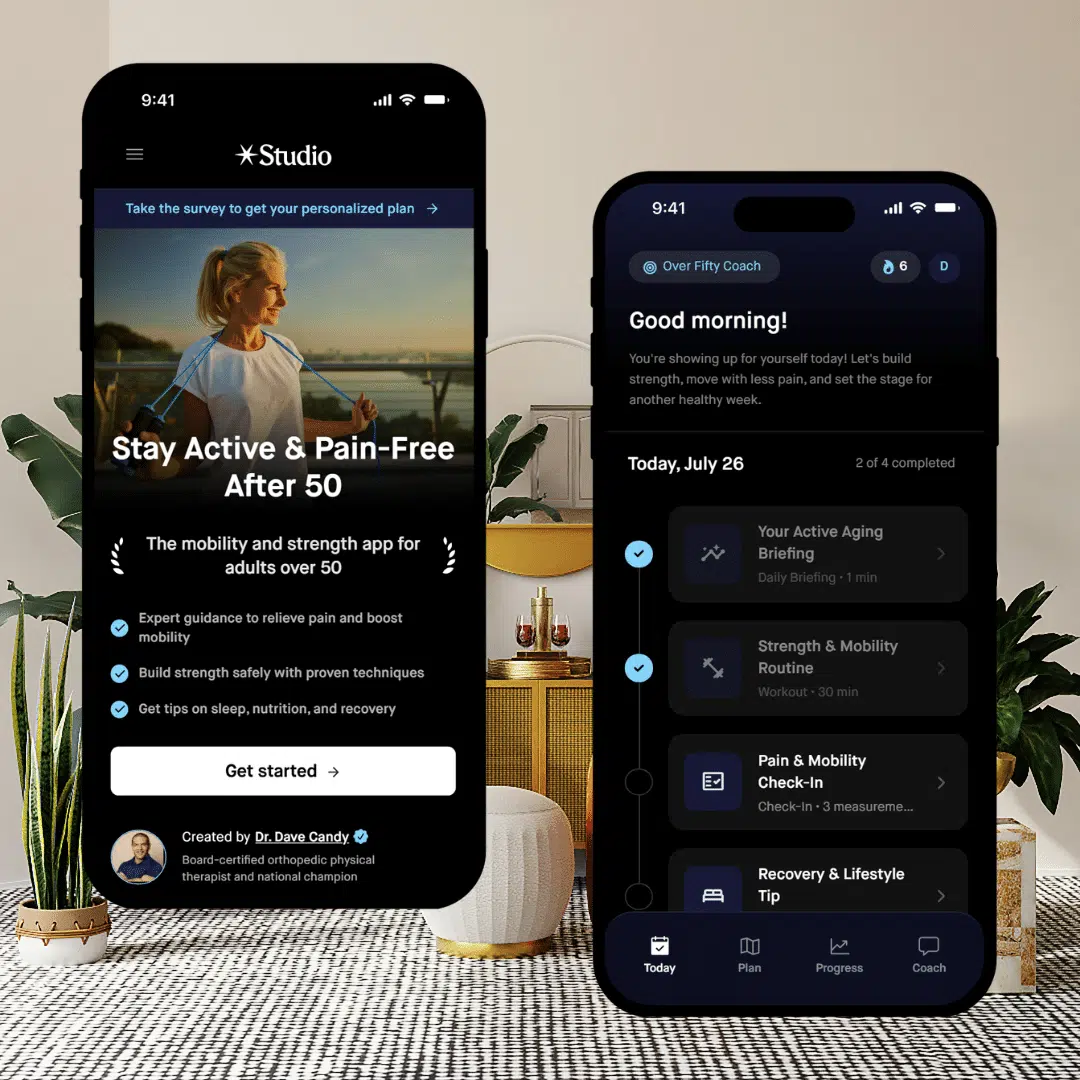
Need Help To Stay Strong and Mobile After 50?
Affiliate Disclosure: This post contains affiliate links to Amazon and/or other sites. While I only recommend products that I trust, as an Amazon Associate, I earn commission from qualifying purchases at no extra cost to you.
Medical Disclaimer: The content on this site is for educational and informational purposes only and is not intended as medical advice. Always consult with a qualified healthcare professional before beginning any new exercise program, diet, or supplement regimen, especially if you have pre-existing health conditions.