
Understanding the Importance of Proper Technique
As we age, particularly after 50, maintaining strength and mobility becomes crucial. However, many individuals unknowingly make dumbbell mistakes that can lead to joint injuries. Unlike younger individuals, older adults have a reduced margin for error, making proper exercise technique essential.
Common Dumbbell Exercise Mistakes and How to Fix Them
Mistake 1: Poor Squat Technique
The squat is a fundamental movement that we perform daily, yet it’s often misperformed. One common error is driving the knees forward without proper ankle mobility. Instead, focus on pushing your hips back as if sitting in a chair. This technique protects your knees and allows for a safer squat.
How to Perform a Proper Squat
Stand with your feet shoulder-width apart. As you squat, think about pushing your hips back first. Keep your weight centered through your feet and drive through your heels to return to standing. If needed, start with chair squats to build confidence and strength.
Knee Position During a Squat
Another common mistake is allowing the knees to buckle inward during the squat. This can strain the inner knee. To prevent this, maintain a stance that is shoulder-width apart or slightly wider, and ensure your knees follow the direction of your toes.
As you squat, consciously drive your knees outward. This will engage your glutes and keep your knees aligned, reducing the risk of injury.
Spine Position During a Squat
A rounded lower back during a squat can lead to serious injury, especially when lifting weights. Maintain a neutral spine by leaning slightly forward while keeping your back straight. A goblet squat can help you achieve this position effectively.
How to Do a Goblet Squat
Hold a dumbbell close to your chest and squat down. Remember to brace your core before lowering and to keep your back straight throughout the movement.

Mistake 4: Incorrect Deadlift Form
Deadlifts are often avoided due to fears of back injury, but when performed correctly, they strengthen essential muscles. The common mistake is allowing the weights to drift away from your body, which puts stress on your lower back.
Performing a Deadlift Safely
Keep the weights close to your body. Hinge at the hips, push your glutes back, and lower the weights while keeping your back straight. Engage your hamstrings and glutes as you return to standing.
Mistake 3: Poor Shoulder Press Technique
Many people press weights too far in front of them, which can compromise shoulder stability. Instead, start with your elbows in front of the weights and press directly overhead.
How to Do a Shoulder Press Properly
Stand or sit with a slight lean back. Keep your elbows positioned slightly in front of you and press the weights overhead, ensuring that your shoulder blades move appropriately.

Mistake 4: Dumbbell Bent Over Row
A strong back is vital for overall stability. To perform a bent-over row, avoid over-rotating your trunk or letting your shoulder tip forward. Instead, focus on squeezing your shoulder blade as you pull your elbow towards your side.
Mistake 5: Dumbbell Bench Press
When doing a dumbbell bench press, many people will make the mistake of holding their elbows directly inline with their shoulders with palms facing directly forward. However, this internally rotates your shoulders and puts you at risk for injuring your rotator cuff.
Instead, keep your upper arms at a 45 degree angle to your body. Using an inclined bench makes this easier to do. Finally, turn your palms inward slightly to match the angles of your arms. This will help protect your shoulders.
Staying Strong Safely After 50
By correcting these common dumbbell exercise mistakes, you can protect your joints and maintain strength as you age. Always prioritize proper form over weight to ensure a safe and effective workout. Focus on these techniques, stay consistent, and enjoy the benefits of strength training without the risk of injury.
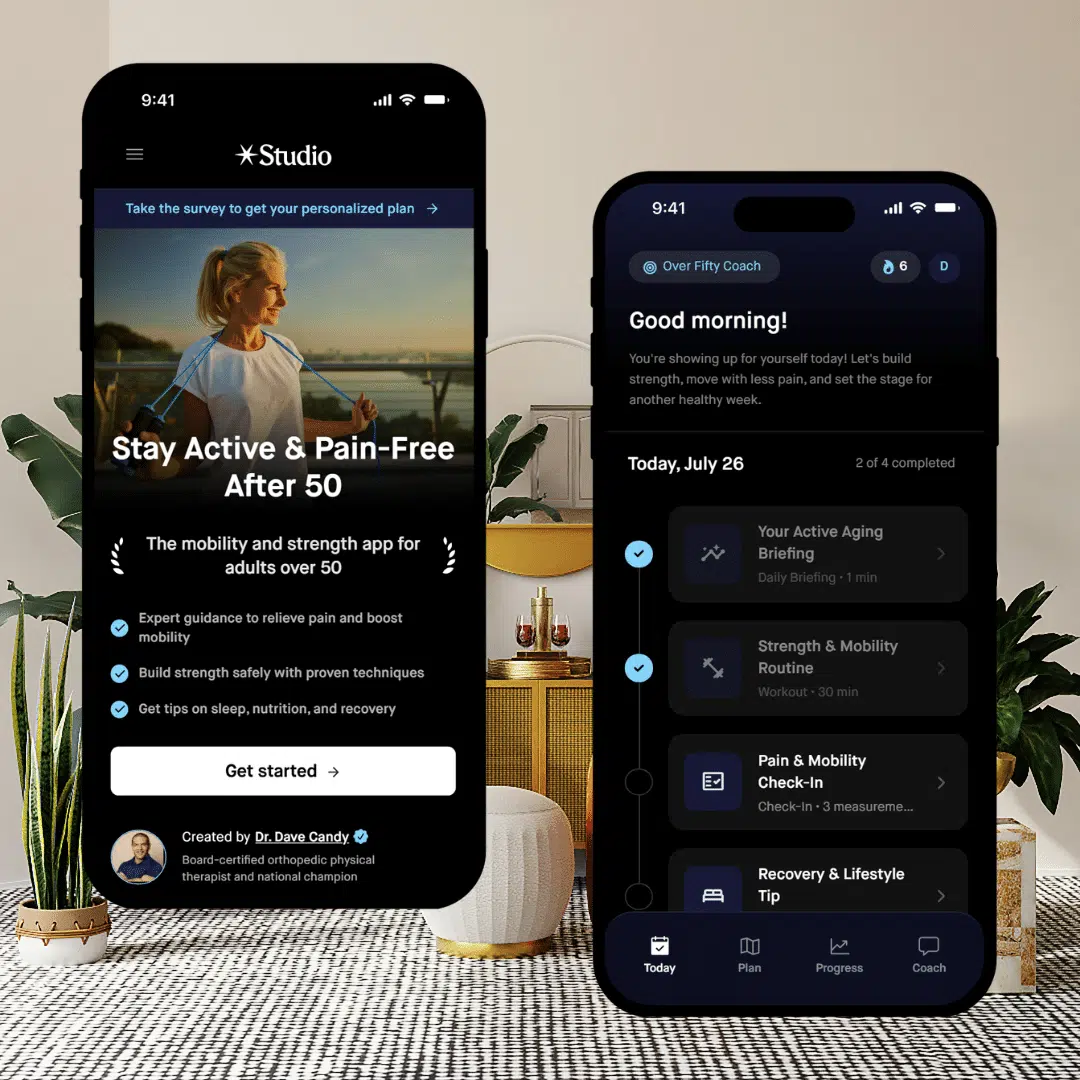
Need Help To Stay Strong and Mobile After 50?
Affiliate Disclosure: This post contains affiliate links to Amazon and/or other sites. While I only recommend products that I trust, as an Amazon Associate, I earn commission from qualifying purchases at no extra cost to you.
Medical Disclaimer: The content on this site is for educational and informational purposes only and is not intended as medical advice. Always consult with a qualified healthcare professional before beginning any new exercise program, diet, or supplement regimen, especially if you have pre-existing health conditions.