
Introduction
If you are struggling with shoulder pain due to a rotator cuff tear, you may be seeking non-surgical solutions. This blog post outlines five effective exercises designed to relieve shoulder pain and improve mobility, allowing you to regain function without the need for surgery.
1. The Sleeper Stretch
The first exercise focuses on improving shoulder mobility, particularly in the back part of the shoulder joint. This area is crucial for the function of three out of four rotator cuff muscles.
To perform the Sleeper Stretch, lie on your side as if preparing to sleep. Position your arm at a 90° angle to your body. Use your other hand to gently press down on your wrist towards the table. If you feel discomfort, modify the stretch by pressing down on the front of your shoulder with your good arm. Allow gravity to assist in stretching the back part of the shoulder. Hold for five minutes, aiming for a mild, comfortable stretch.
2. Towel Internal and External Rotation
Next, improve the range of motion in both internal and external rotation. Lay on your back with a towel under your elbow to keep it elevated. This position prevents the shoulder from moving forward in the socket.
With your other hand, gently press on the front of your shoulder as you rotate the arm back and forth. Be mindful of pain levels; movements should be gentle and comfortable. Aim for 20 to 30 repetitions, focusing on maintaining a pain-free range.
3. Over-the-Door Pulley Exercise
The third exercise utilizes an over-the-door pulley system, which can aid in active assistive range of motion. Sitting sideways to the door, grasp the pulley with the affected arm. Maintain shoulder external rotation as you lift your arm upward while simultaneously shrugging your shoulder blade.
Perform this exercise for about 30 repetitions, focusing on the range of motion that feels comfortable. Progressively increase your range as you gain strength.
4. Wall Slide Exercise
For the fourth exercise, stand facing a wall and slide your arms up as high as you can while maintaining shoulder external rotation. This movement should be slow and controlled, with your shoulder blades moving upward in conjunction with your arms.
Hold the top position for five to ten seconds before sliding back down. Repeat this exercise for several sets, ensuring that you’re not experiencing pain throughout the process.
5. Shoulder Abduction Against a Wall
Finally, the last exercise focuses on shoulder abduction. Stand with your back against the wall, ensuring your lower back is flat. Slide your arms up the wall while keeping your shoulder blades in contact with the wall.
As with previous exercises, maintain external rotation of the shoulders. You may not be able to reach the top initially, but progress at your own pace. This exercise strengthens the shoulder while promoting mobility.
Conclusion
These five exercises can significantly assist in relieving shoulder pain caused by a rotator cuff tear. Remember to focus on maintaining a pain-free range of motion and progressively increase the intensity of the exercises as you gain strength. If you experience persistent pain or discomfort, consult with a healthcare professional for personalized advice.
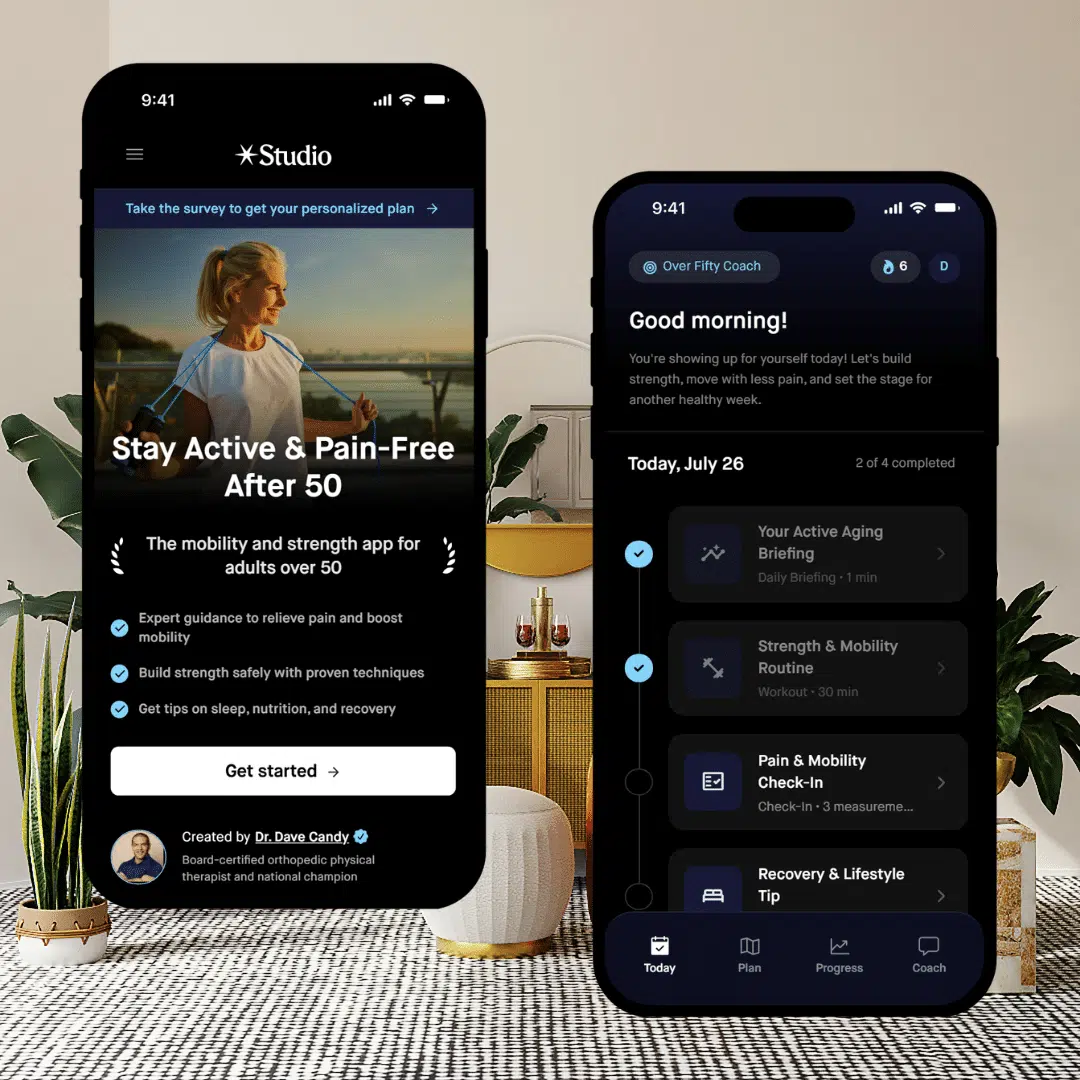
Need Help To Stay Strong and Mobile After 50?
Affiliate Disclosure: This post contains affiliate links to Amazon and/or other sites. While I only recommend products that I trust, as an Amazon Associate, I earn commission from qualifying purchases at no extra cost to you.
Medical Disclaimer: The content on this site is for educational and informational purposes only and is not intended as medical advice. Always consult with a qualified healthcare professional before beginning any new exercise program, diet, or supplement regimen, especially if you have pre-existing health conditions.