
Understanding Inner Knee Pain
Inner knee pain can significantly impact your daily activities and overall mobility. If you experience this type of pain, it’s crucial to understand its potential causes and remedies. In this post, we will explore seven causes of inner knee pain and provide two actionable tips to help alleviate your discomfort.
Common Causes of Inner Knee Pain
Inner knee pain can stem from various structural and functional issues within the knee joint. Here are seven common causes:
1. Cartilage Wear and Tear
The cartilage on the ends of your femur and tibia can wear down over time, leading to bone-on-bone grinding. This is often exacerbated by twisting movements that irritate the joint surfaces.
2. Meniscus Injury
The meniscus, a type of fibrocartilage, acts as a cushion and stabilizer for the knee. Injuries can occur from sudden twisting motions during sports or gradual wear due to overuse.
3. Medial Collateral Ligament (MCL) Injury
The MCL runs along the inner side of the knee. It can be stretched or torn from traumatic injuries or from improper knee alignment during movement.
4. Tendonitis
Three tendons wrap around the inner knee, attaching at the pes anserinus. Irritation of these tendons can lead to pain, especially during activities involving twisting or rapid movements.
5. Muscle Imbalances
The vastus medialis, part of the quadriceps, can develop trigger points leading to pain on the inner side of the knee. Stretching this muscle properly can help alleviate discomfort.
6. Nerve Issues
The saphenous nerve can become overstretched, causing inner knee pain. This is less common but important to consider if other causes have been ruled out.
7. Lower Back Problems
Pain from pinched nerves in the lower back can radiate to the inner knee area, particularly affecting the L3 or L4 nerves. This requires a different approach to treatment.
Simple Tips to Alleviate Inner Knee Pain
Regardless of the cause, here are two actionable tips that can help reduce inner knee pain:
Tip 1: Correct Your Walking Posture
To minimize the inward twisting motion that often causes inner knee pain, focus on maintaining a proper foot arch while walking. This can prevent overpronation, which is a common issue contributing to knee discomfort.
Try to create a dome in your foot arch by scrunching your toes slightly. This action helps to maintain proper alignment as you walk, preventing further irritation of the knee joint.
Tip 2: Realign Your Knee
If your knee has shifted out of alignment, it’s important to correct this issue. You can do this by sitting in a chair and applying gentle pressure to realign your knee joint:
- Place one hand just below the inner knee and the other just above the outer thigh.
- Push gently inward with your lower hand while pushing outward with your upper hand.
- Hold this position for 5-10 seconds, repeating the motion several times.
After realigning, focus on maintaining your foot arch while walking to ensure you do not revert to the old patterns that caused pain.
When to Seek Professional Help
If your inner knee pain persists despite these tips, it’s essential to consult a physical therapist. A professional can provide a personalized assessment and develop a tailored treatment plan to address your specific needs.
Conclusion
Understanding the causes of inner knee pain is the first step to effective management. By implementing the tips outlined above, you can take proactive steps to alleviate discomfort and improve your mobility. Remember, if symptoms persist, seeking professional advice can lead to more effective interventions.
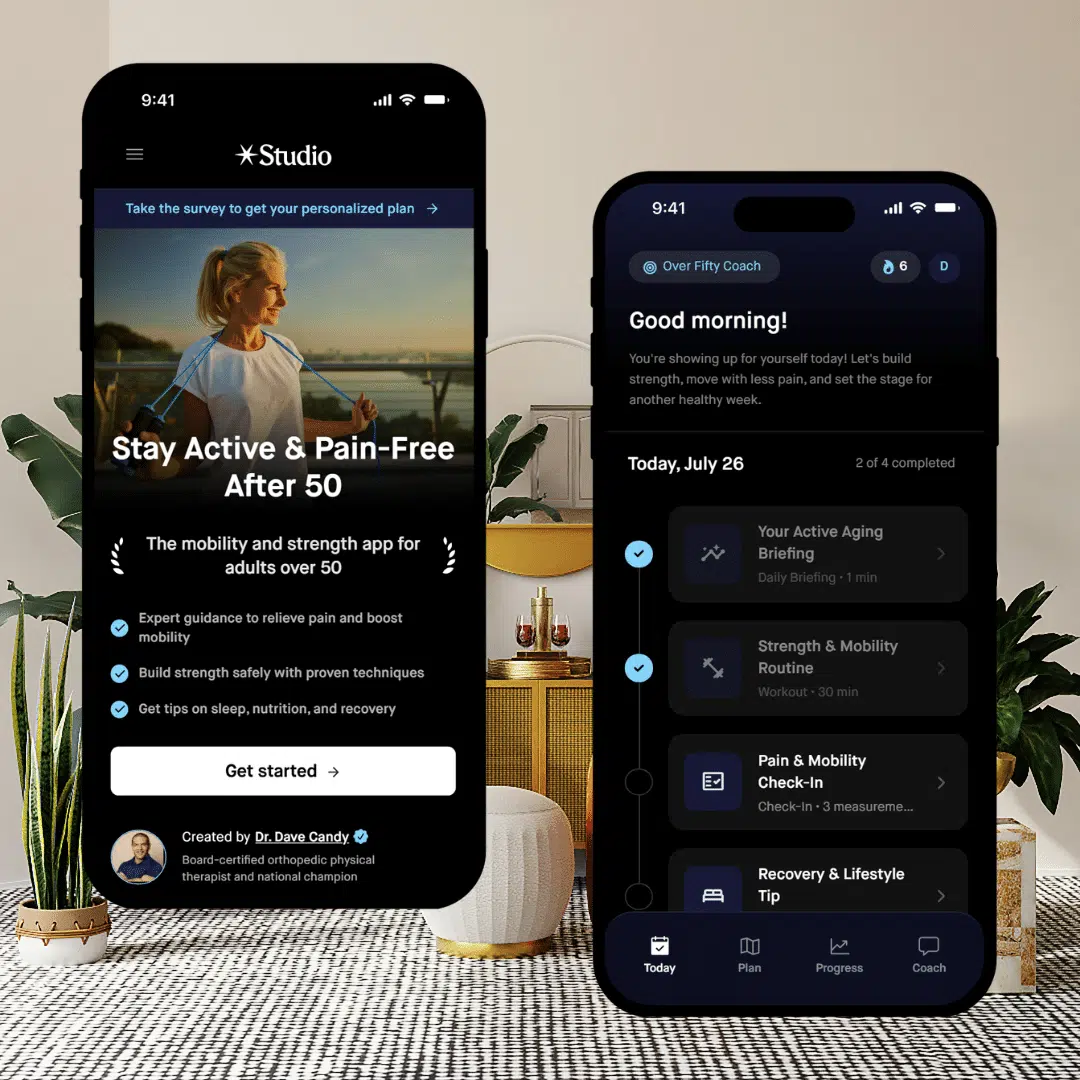
Need Help To Stay Strong and Mobile After 50?
Affiliate Disclosure: This post contains affiliate links to Amazon and/or other sites. While I only recommend products that I trust, as an Amazon Associate, I earn commission from qualifying purchases at no extra cost to you.
Medical Disclaimer: The content on this site is for educational and informational purposes only and is not intended as medical advice. Always consult with a qualified healthcare professional before beginning any new exercise program, diet, or supplement regimen, especially if you have pre-existing health conditions.