
Pain In Legs When Walking: Understanding the Causes
If you experience pain in your legs when walking, it can be a frustrating and debilitating issue. This pain may manifest as cramping, burning sensations, or severe fatigue, even during short walks. Understanding the underlying causes of leg pain is crucial to finding effective treatments and regaining your mobility.
Common Causes of Leg Pain
There are two primary causes of pain in the legs while walking: peripheral artery disease and neurogenic claudication. Knowing the differences between these conditions can help you address the problem effectively.
Peripheral Artery Disease (PAD)
Peripheral artery disease occurs when blood flow to your leg muscles is restricted due to narrowed blood vessels. This often results from plaque buildup caused by factors such as high cholesterol or smoking.
Symptoms of PAD
People with PAD typically experience leg pain during physical exertion, such as walking. This pain subsides when they stop moving, hence the term “intermittent claudication.” Other symptoms may include:
- Burning or cramping sensations
- Leg fatigue
- Coldness in the lower leg or foot
Treatment Options for PAD
Addressing lifestyle factors is essential for managing PAD. Consider the following actions:
- Quit Smoking: Reducing or eliminating smoking can significantly improve blood flow.
- Diet Changes: Monitor your cholesterol and saturated fat intake.
- Graded Exercise: Engage in physical activity up to the point of discomfort, then rest. Gradually increase your walking duration.
Neurogenic Claudication
Neurogenic claudication is related to nerve compression, often due to spinal issues like spinal stenosis. This condition can cause pain in the legs when walking, particularly when standing upright.
Symptoms of Neurogenic Claudication
Unlike PAD, neurogenic claudication may present symptoms such as:
- Numbness or tingling in the legs
- Pain that worsens with standing or walking
- Relief when bending forward or sitting down
Managing Neurogenic Claudication
For those suffering from neurogenic claudication, consider these strategies:
- Posture Adjustments: Leaning forward while walking can alleviate pain.
- Exercise Alternatives: Try using a recumbent bike or water-based exercises to reduce pressure on the spine.
- Physical Therapy: Consult a professional for personalized exercises that can help open spaces in the lower back.
Recognizing the Differences
Understanding the differences between PAD and neurogenic claudication can be pivotal in managing your condition. Here are key points to consider:
- PAD pain is primarily related to exertion and blood flow, while neurogenic claudication is influenced by spinal position.
- Relief from bending forward indicates neurogenic claudication, whereas rest is required for PAD symptoms to subside.
- Diagnostic tests, such as the ankle-brachial index, can confirm a diagnosis of PAD.
Next Steps
If you experience pain in your legs when walking, identifying the cause is the first step towards relief. Consult a healthcare professional for an accurate diagnosis and personalized treatment plan. By addressing lifestyle factors and employing appropriate exercises, you can significantly improve your mobility and quality of life.
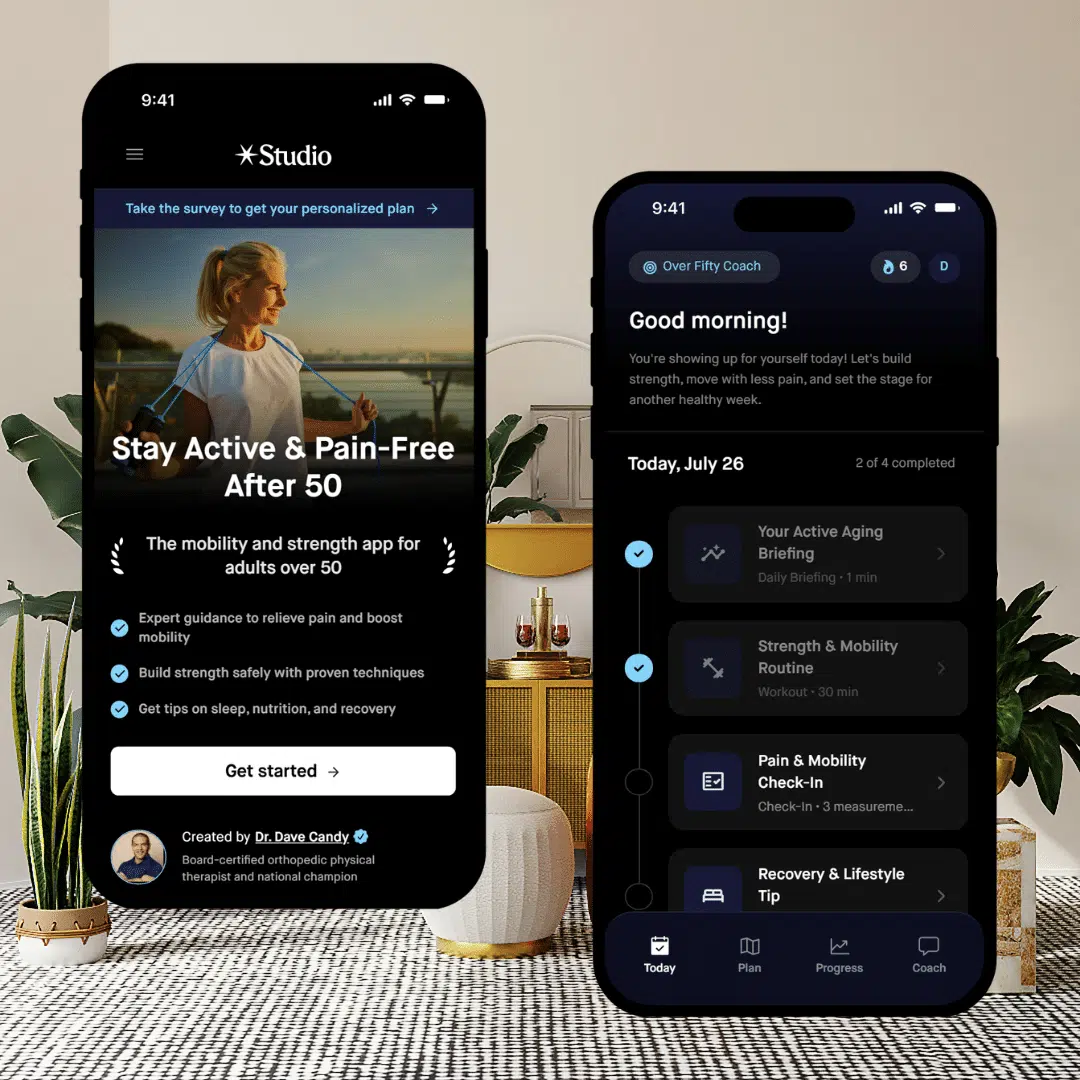
Need Help To Stay Strong and Mobile After 50?
Affiliate Disclosure: This post contains affiliate links to Amazon and/or other sites. While I only recommend products that I trust, as an Amazon Associate, I earn commission from qualifying purchases at no extra cost to you.
Medical Disclaimer: The content on this site is for educational and informational purposes only and is not intended as medical advice. Always consult with a qualified healthcare professional before beginning any new exercise program, diet, or supplement regimen, especially if you have pre-existing health conditions.