
Understanding Chronic Pain
Chronic pain is a complex condition that affects millions of people worldwide. It is not just a symptom but a disease in itself, requiring a multifaceted approach to management. In this blog post, we will explore eight actionable steps to conquer chronic pain, as discussed by Dr. Andrea Furlan, a specialist in pain management.
Types of Pain: A Foundation for Understanding
Before diving into the steps to conquer chronic pain, it’s essential to understand the different types of pain:
Noceptive Pain
Noceptive pain is a normal response to injury or disease. Examples include pain from a broken bone or inflammation. This type of pain typically resolves as the body heals.
Neuropathic Pain
This pain arises from damage to the nervous system, such as diabetic neuropathy or post-stroke pain. It’s often characterized by burning sensations or tingling.
Nociplastic Pain
Nociplastic pain is a more complex form of chronic pain, often involved in conditions like fibromyalgia. It doesn’t stem from physical injury or nerve damage but is a result of the pain system malfunctioning.
Eight Steps to Conquer Chronic Pain
Dr. Furlan emphasizes the importance of a structured approach to managing chronic pain. Here are the eight steps she recommends:
Step 1: Retrain Your Pain System
Retraining your pain system is crucial in managing nociplastic pain. This involves understanding that your brain may misinterpret signals from your body. Learning to reinterpret these signals can significantly reduce pain perception.
Step 2: Control Your Emotions
Emotional well-being plays a significant role in pain perception. Techniques such as mindfulness, meditation, and cognitive behavioral therapy can help manage anxiety and stress, which often exacerbate pain.
Step 3: Prioritize Sleep
Quality sleep is vital for recovery and pain management. Poor sleep can lead to increased sensitivity to pain. Establishing a regular sleep routine and creating a restful environment can improve sleep quality.
Step 4: Nutrition Matters
Eating a balanced diet rich in anti-inflammatory foods can support overall health and reduce pain. Foods such as fruits, vegetables, whole grains, and healthy fats should be incorporated into your diet.
Step 5: Stay Active
Engaging in regular physical activity is essential for managing chronic pain. Gentle exercises like walking, swimming, or yoga can help strengthen muscles and improve flexibility, reducing pain over time.
Step 6: Medication Management
While medications can be a part of pain management, they should not be the sole focus. It’s crucial to work with healthcare professionals to find the right balance and avoid over-reliance on opioids, especially for nociplastic pain.
Step 7: Physical and Manual Therapies
Physical therapy and manual therapy can provide relief and support rehabilitation. These therapies can help improve movement, reduce stiffness, and promote healing.
Step 8: Connect with Support Networks
Isolation can exacerbate feelings of pain. Joining support groups with others who understand chronic pain can provide emotional support, resources, and shared experiences that can empower you.
Conclusion: Taking the Next Steps
Managing chronic pain is a journey that requires patience and effort. By following these eight steps, you can take control of your pain and improve your quality of life. Remember, your pain is real, and there is hope. Seek support, stay informed, and take proactive steps towards healing.
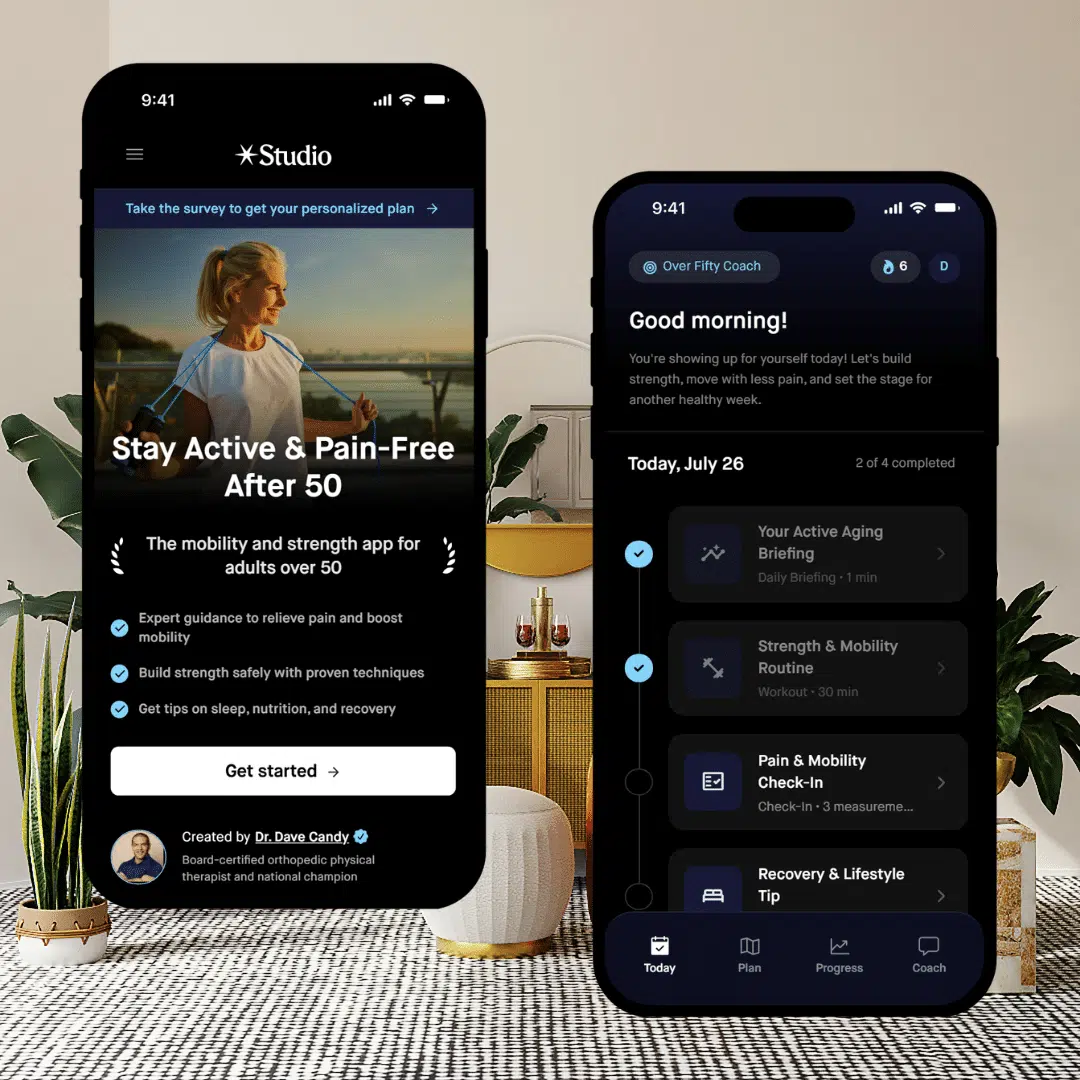
Need Help To Stay Strong and Mobile After 50?
Affiliate Disclosure: This post contains affiliate links to Amazon and/or other sites. While I only recommend products that I trust, as an Amazon Associate, I earn commission from qualifying purchases at no extra cost to you.
Medical Disclaimer: The content on this site is for educational and informational purposes only and is not intended as medical advice. Always consult with a qualified healthcare professional before beginning any new exercise program, diet, or supplement regimen, especially if you have pre-existing health conditions.