
Understanding Hip Bursitis
Hip bursitis is a common condition characterized by inflammation of the bursa, a fluid-filled sac that cushions the hip joint. This condition can lead to pain and discomfort, particularly when engaging in activities like walking or running. If you are experiencing hip bursitis, it’s important to know that you can keep exercising, but with caution.
What to Avoid with Hip Bursitis
While staying active is crucial, not all exercises are beneficial. You should avoid any movements that exacerbate your pain. For instance, running or walking long distances might be fine initially, but if pain intensifies after a few miles, consider stopping before symptoms arise. This approach helps maintain your joint health while allowing your muscles to strengthen without causing further irritation.
Exercises You Can Do
When dealing with hip bursitis, focus on exercises that do not provoke pain. Here are some effective options:
Non-Weight-Bearing Activities
Begin with non-weight-bearing exercises such as:
- Seated elliptical workouts
- Using an exercise bike
These activities minimize strain on the hip while promoting movement and flexibility.
Gradual Strengthening
To strengthen the hip muscles, follow a gradual approach:
- Start with balance exercises. Stand on one leg for 10 seconds; if you struggle, use your toe for support.
- Progress to squats or lunges while keeping your weight on your heel to engage the hip muscles effectively.
- Incorporate single-leg hops to develop the necessary strength for running.
Always ensure you’re not pushing through pain. If you feel discomfort, reduce the intensity or duration of your exercises.
Stretching Considerations
Stretching can be beneficial, but choose wisely. Avoid IT band stretches that push the hip outward, as they can worsen inflammation. Instead, focus on stretches for the groin or inner thigh, such as:
- Side stretches
- Butterfly stretches
These stretches can alleviate stiffness without aggravating the hip bursitis.
Other Treatment Options
In addition to exercise, consider treatments like:
- Corticosteroid injections for quick pain relief, but use them sparingly as they can weaken tendons.
- Dry needling, which can relieve pain by targeting trigger points in the muscles.
Conclusion: Next Steps for Recovery
Experiencing hip bursitis doesn’t mean you have to stop exercising altogether. By focusing on appropriate exercises, avoiding pain triggers, and considering additional treatments, you can manage your symptoms effectively. Monitor your progress, and remember to consult a healthcare professional for tailored advice. Staying active is crucial for recovery and maintaining your overall health.
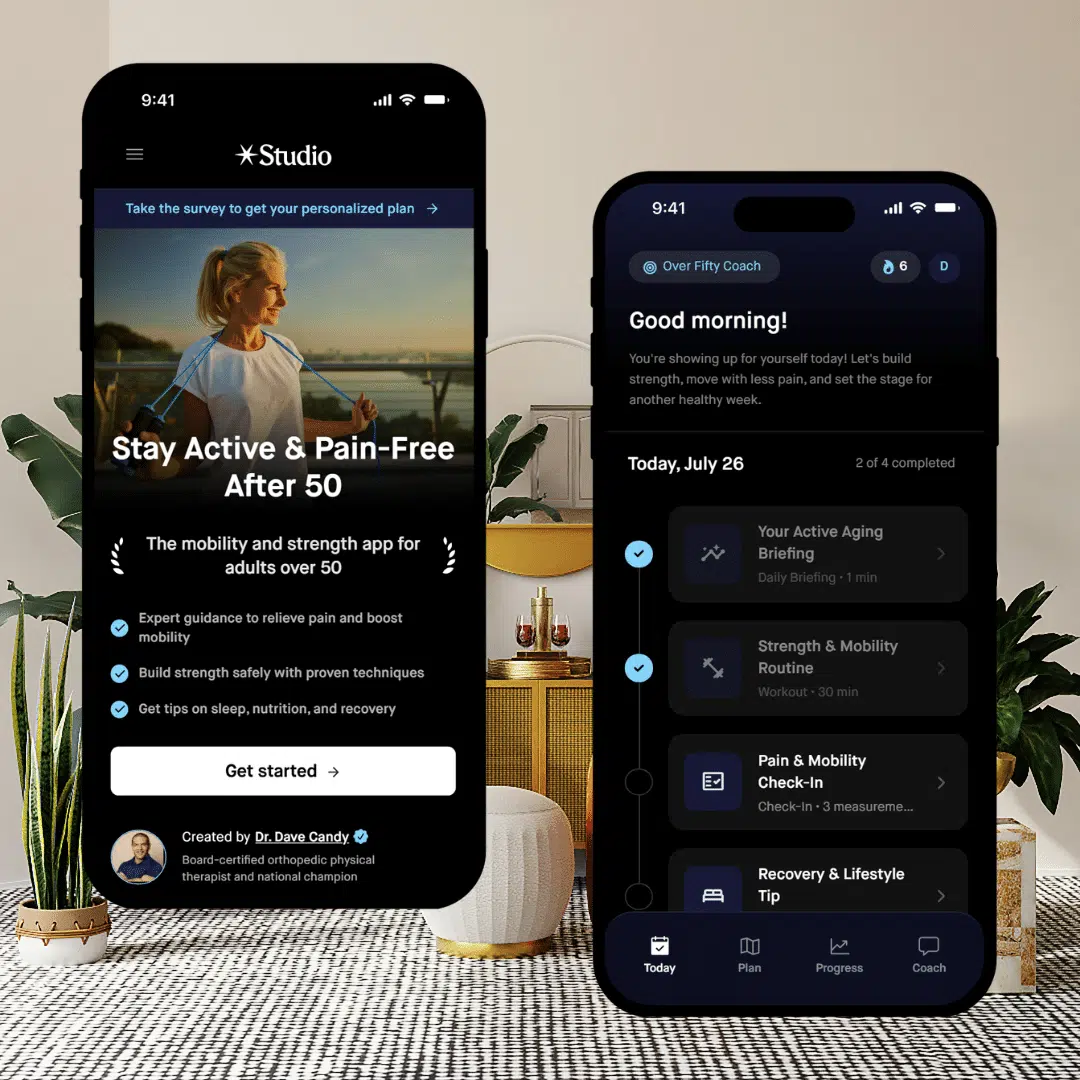
Need Help To Stay Strong and Mobile After 50?
Affiliate Disclosure: This post contains affiliate links to Amazon and/or other sites. While I only recommend products that I trust, as an Amazon Associate, I earn commission from qualifying purchases at no extra cost to you.
Medical Disclaimer: The content on this site is for educational and informational purposes only and is not intended as medical advice. Always consult with a qualified healthcare professional before beginning any new exercise program, diet, or supplement regimen, especially if you have pre-existing health conditions.