
Understanding Thumb Arthritis Pain
Thumb arthritis can lead to discomfort when gripping, pinching, or twisting objects. Recognizing the early signs is crucial, as many individuals don’t realize how vital their thumbs are until they experience pain. This article will provide five effective strategies to alleviate thumb arthritis pain, enhancing your hand’s functionality and improving your quality of life.
1. Use a Thumb Brace for Support
In the early stages of thumb arthritis, excessive mobility in the thumb can lead to discomfort. A thumb brace that stabilizes the thumb and wrist can be beneficial. Look for a brace that covers both the thumb and the wrist, as they are closely connected.

Why Stabilization Matters
Stabilizing the joint helps to alleviate pain and prevent further damage. The carpo-metacarpal (CMC) joint, located near the wrist, is a common area for arthritis development. A brace can help distribute pressure evenly, allowing for pain relief.
2. Effective Taping Techniques
If a brace isn’t suitable, consider taping your thumb for added support. Use one-inch or one-and-a-half-inch athletic tape. Start by fastening the tape around your wrist, then loop it around the base of your thumb. Ensure it’s snug but not too tight to avoid cutting off circulation.
Steps to Tape Your Thumb
- Wrap the tape around your wrist.
- Loop it through the web space between your thumb and index finger.
- Continue wrapping around the thumb, maintaining comfort.
This technique can provide temporary relief and can be done easily at home.
3. Trigger Point Compression
As arthritis progresses, muscles around the thumb may develop trigger points due to increased strain. Performing trigger point compression can alleviate discomfort. Gently squeeze the sore spots in the muscle between your thumb and index finger using your opposite hand.
How to Release Trigger Points
Apply gentle pressure to the tender areas for 1.5 to 3 minutes. This method promotes blood flow and muscle relaxation. You can also use tools like a blunt pen or pencil eraser for self-massage.
4. Joint Mobilization Techniques
In later stages of thumb arthritis, joint mobility can be restricted. Self-joint mobilizations can help restore movement. For example, grip around the base of your thumb and gently pull to distract the joint.
Exercises to Improve Mobility
Perform the following movements:
- Flexion and Extension: Use your other thumb to apply pressure and move your thumb back and forth.
- Abduction and Adduction: Pull your thumb away from your palm while pushing down with the other hand.
These exercises can enhance flexibility and reduce stiffness in the thumb joint.
5. Range of Motion Exercises
After restoring joint mobility, it’s essential to strengthen the muscles around the thumb. Try the following exercises regularly:
- Alligator Mouth Motion: Open and close your thumb as wide as possible.
- Hand Spreading: Spread your hand wide and hold for 5-10 seconds.
- Opposition: Move your thumb towards your pinky finger, gradually increasing your reach.
Incorporating Wrist Exercises
Since the thumb joint is close to the wrist, incorporating wrist exercises can also be beneficial. Strengthening the wrist can alleviate some pressure on the thumb.
Next Steps for Managing Thumb Arthritis Pain
In conclusion, managing thumb arthritis pain requires a combination of support, mobilization, and strengthening exercises. By implementing these five strategies, you can reduce discomfort and improve your thumb’s functionality. Remember to consult with a healthcare professional before starting any new exercise regimen, especially if you experience severe pain or mobility issues.
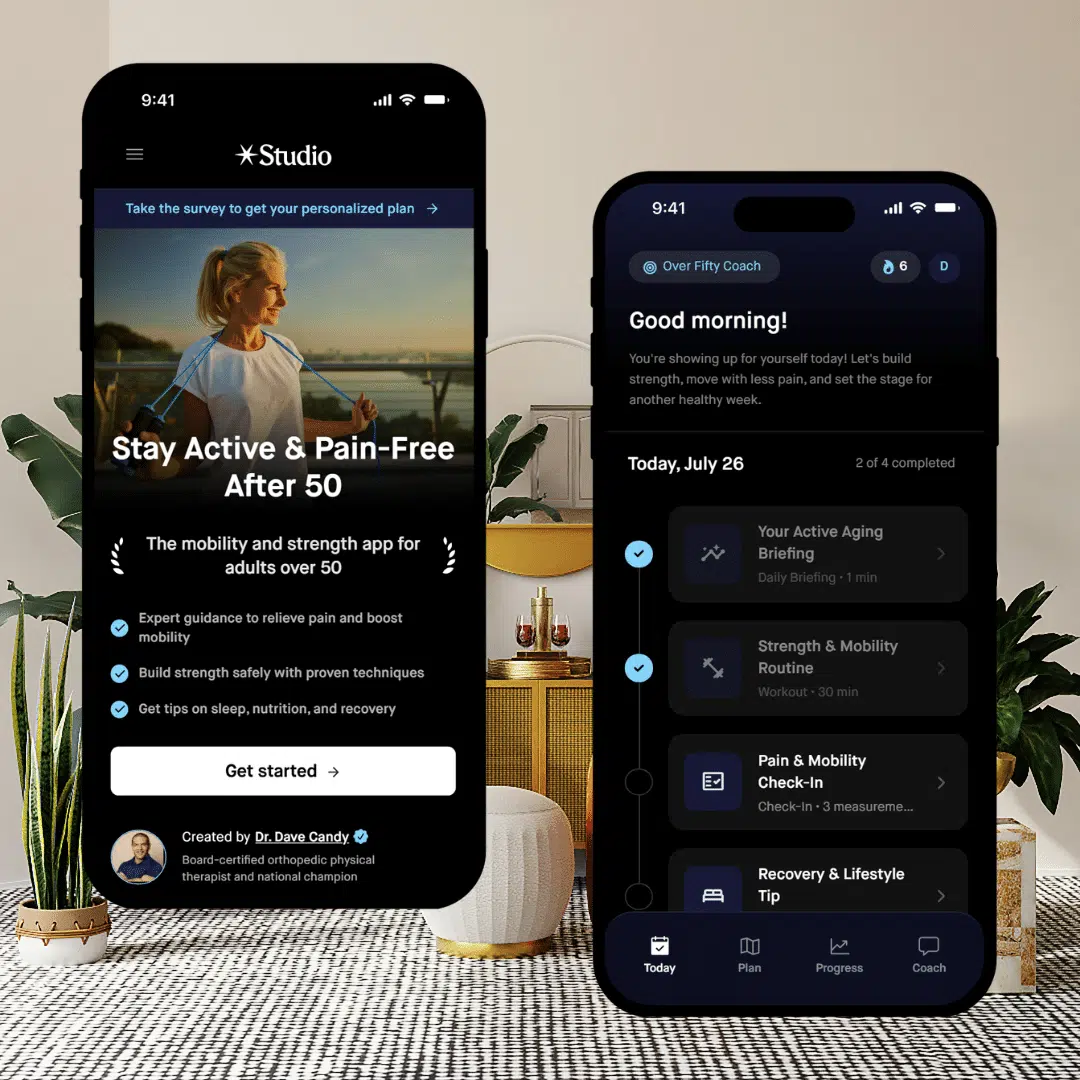
Need Help To Stay Strong and Mobile After 50?
Affiliate Disclosure: This post contains affiliate links to Amazon and/or other sites. While I only recommend products that I trust, as an Amazon Associate, I earn commission from qualifying purchases at no extra cost to you.
Medical Disclaimer: The content on this site is for educational and informational purposes only and is not intended as medical advice. Always consult with a qualified healthcare professional before beginning any new exercise program, diet, or supplement regimen, especially if you have pre-existing health conditions.