
Understanding Pain Under Your Shoulder Blade
Pain under your shoulder blade can be a nagging issue that many people endure. However, understanding the hidden causes can empower you to take action. This blog post will delve into five common causes of shoulder blade pain and provide simple solutions you can try at home.
Identifying Serious Causes
Before we explore the more common causes of shoulder blade pain, it’s crucial to rule out serious issues related to internal organs. Conditions affecting your lungs, heart, liver, gallbladder, or stomach can manifest as shoulder blade pain. If you suspect any serious health concerns, consult a healthcare professional.
Pinched Nerves in the Neck
One of the leading causes of pain under your shoulder blade is pinched nerves in the neck. The nerve roots from C6, C7, C8, and T1 can refer pain to the shoulder blade. This often occurs due to poor posture, particularly forward head posture.
To alleviate this issue, maintain proper posture by tucking your chin down and aligning your head over your shoulders. This adjustment opens the spaces where the nerves exit your neck, potentially relieving pain.
Desk Ergonomics
Many people spend significant time at desks, leading to shoulder blade pain. If your arms hang low while working, this can pull your shoulder blades down and create tension in your neck muscles. Using armrests can help support your arms, reducing pressure on your neck and nerves.
Thoracic Nerve Issues
Thoracic nerves can also contribute to shoulder blade pain. Nerve issues may arise from conditions like herniated discs or infections such as shingles, which can cause burning pain and rashes. It’s essential to be aware of these conditions and seek medical advice if necessary.
Posture and Hyper-Mobility
While slouching is commonly associated with nerve problems, sitting too rigidly can also lead to hypermobility issues in the upper back. This can cause pinched nerves that refer pain to the shoulder blade.
A simple exercise you can try is to extend your arms and round out your upper back. This movement helps open the spaces where the thoracic nerve roots exit and stretches the muscles between the shoulder blades.
Stiff Muscles and Trigger Points
Stiff muscles, particularly the rhomboids and trapezius, can cause pain under your shoulder blade. If foam rolling isn’t effective, using a tennis ball can help target these muscles. Position the tennis ball between your shoulder blades and gently roll until you find a tender spot, applying pressure for 1-2 minutes.
The Infraspinatus and Subscapularis
The infraspinatus muscle, located at the back of your shoulder blade, can also refer pain to the shoulder blade. To target this muscle, place a tennis ball on the muscle and roll around until you find a sore spot.
Additionally, the subscapularis, located underneath the shoulder blade, can be challenging to massage. You can apply pressure with your fingertips or thumb deep into your armpit area to alleviate tension.
Addressing Overstretched Muscles
Overstretched muscles, particularly the upper trapezius and levator scapulae, can also contribute to shoulder blade pain. If one shoulder blade is elevated, this may shorten the levator scapulae muscle, leading to pain.
Try a gentle stretch by turning your head away from the elevated shoulder and side bending away, holding for 30 seconds. Conversely, if your shoulder blade is lower, avoid overstretching and consult a professional for targeted treatment.
Strengthening and Stretching Exercises
To address multiple causes of shoulder blade pain, consider performing upward rotation exercises. Place your arms on a wall and raise them while shrugging your shoulders upward. Hold for about 10 seconds and repeat. This exercise strengthens the upper trapezius and serratus anterior while stretching the rhomboids and levator scapulae.
Conclusion
Shoulder blade pain can arise from various sources, including pinched nerves, posture issues, and muscle stiffness. By understanding these causes and implementing simple solutions, you can take proactive steps toward relief. If your pain persists, consider consulting a healthcare professional for personalized guidance.
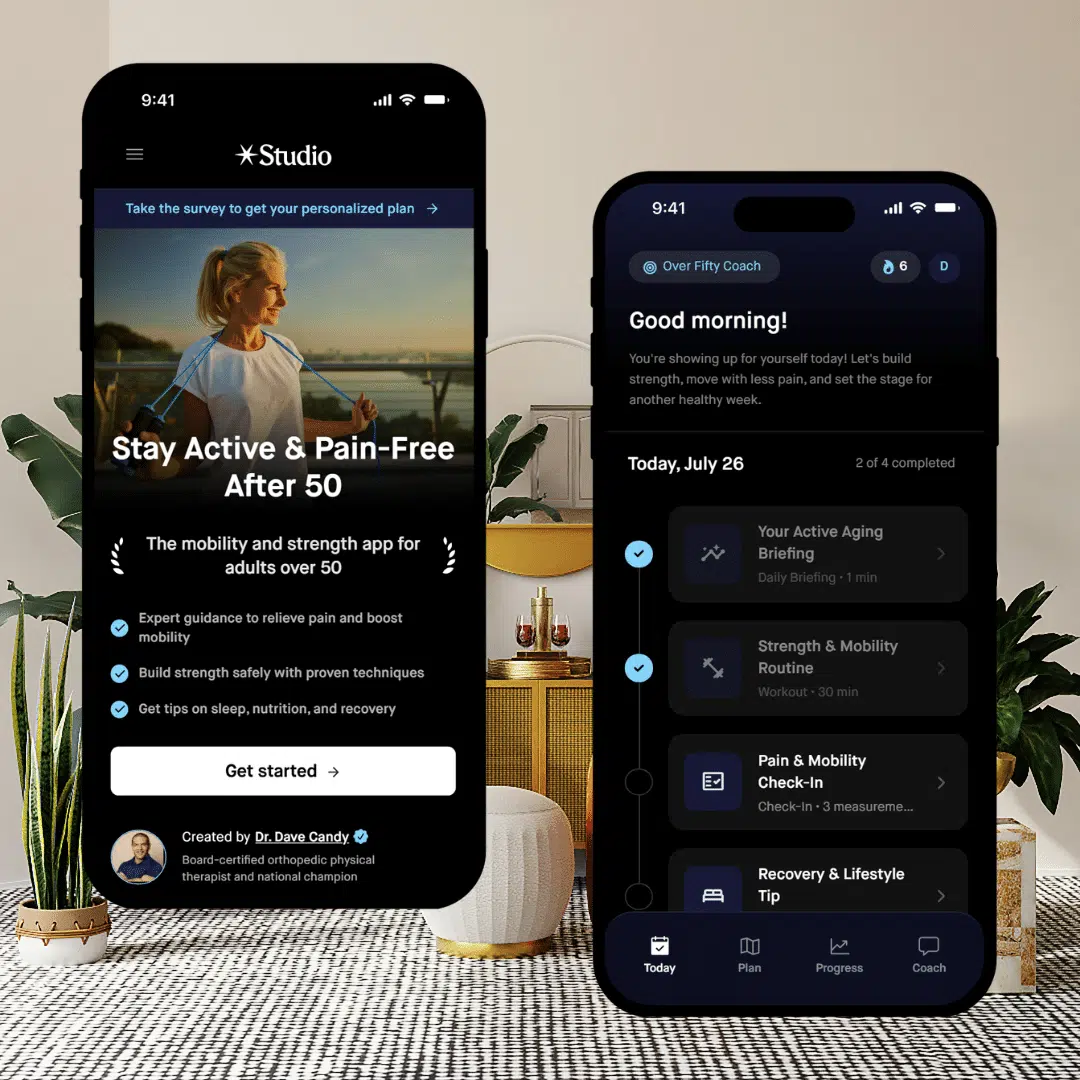
Need Help To Stay Strong and Mobile After 50?
Affiliate Disclosure: This post contains affiliate links to Amazon and/or other sites. While I only recommend products that I trust, as an Amazon Associate, I earn commission from qualifying purchases at no extra cost to you.
Medical Disclaimer: The content on this site is for educational and informational purposes only and is not intended as medical advice. Always consult with a qualified healthcare professional before beginning any new exercise program, diet, or supplement regimen, especially if you have pre-existing health conditions.