
Understanding Stabbing Lower Leg Pain
If you’ve ever experienced stabbing lower leg pain, you know how debilitating it can be. This type of pain can strike suddenly, leaving you unable to put weight on your leg. Many people jump to worst-case scenarios, thinking it might be a serious injury. However, it’s often a sign that something isn’t functioning properly in your leg. In this post, we’ll explore what might cause this pain and how you can alleviate it quickly.
My Experience with Sudden Leg Pain
Recently, I woke up with an intense stabbing pain in my left leg. After a day of travel and an intense leg workout, I found myself unable to walk without significant discomfort. My thoughts raced from fearing a broken leg to worrying about a blood clot. Fortunately, I was able to assess the situation calmly.
Identifying Symptoms and Causes
Upon examination, I realized that my pain was localized above the ankle and on the outside of my shin. This area is associated with the extensor digitorum longus and extensor hallucis longus muscles, which are responsible for extending your toes. By applying pressure to the affected area while moving my ankle, I began to feel some relief.
Active Release Technique
One effective method for relieving stabbing lower leg pain is the Active Release technique. This involves applying pressure to a trigger point in the muscle while moving the joint through its range of motion. Here’s how to do it:
- Apply pressure to the painful area.
- Move your ankle up and down, in circles, and side to side.
- Scrunch your toes and then extend them while moving your foot inwards and outwards.
As I performed these movements, I noticed a reduction in tightness and an improvement in mobility.
Examining Related Areas
It’s important to consider how other areas, such as the knee, may affect the ankle. I checked my knee by crossing my leg and applying pressure to create space in the joint, which also provided relief. This step can be essential as knee issues sometimes lead to ankle pain.
Gradual Movement and Weight-Bearing
After loosening the ankle, I attempted to bear weight again. Initially, it was painful, but I practiced mini squats and focused on keeping my feet planted. This helped ensure that I was using my ankle properly without putting undue stress on it.
Stretching and Strengthening
Once I was able to stand, I incorporated calf stretches to improve flexibility. Here’s a simple stretch you can do:
- Stand facing a wall with your hands on it for support.
- Put one foot back while keeping the heel on the ground.
- Lean forward until you feel a stretch in your calf.
Performing these stretches helped reduce the discomfort, and within about 30 minutes, I noticed a significant improvement.
Understanding the Underlying Issues
The cause of my stabbing lower leg pain was likely a combination of an intense workout followed by prolonged sitting during travel. This scenario can lead to joint dysfunction, especially in the ankle. When the muscles and joints are not functioning correctly, it can result in pain and discomfort.
Sometimes, pain is not an indication of severe damage but a signal that something is off in the mechanics of your body.
Next Steps for Relief
If you are experiencing stabbing lower leg pain, here are some actionable steps to consider:
- Perform the Active Release technique on the affected area.
- Check your knee and other related joints for stiffness.
- Incorporate stretching exercises to improve flexibility.
- Gradually increase your weight-bearing activities while paying attention to your pain levels.
By addressing the mechanics of your foot and ankle, you can often resolve the pain effectively. If your symptoms persist, consider seeking advice from a healthcare professional for a thorough evaluation.
Conclusion
Stabbing lower leg pain can be alarming, but with the right techniques, you can often find relief quickly. Remember to listen to your body and take proactive steps to address any discomfort. Understanding your body’s signals is key to staying active and pain-free.
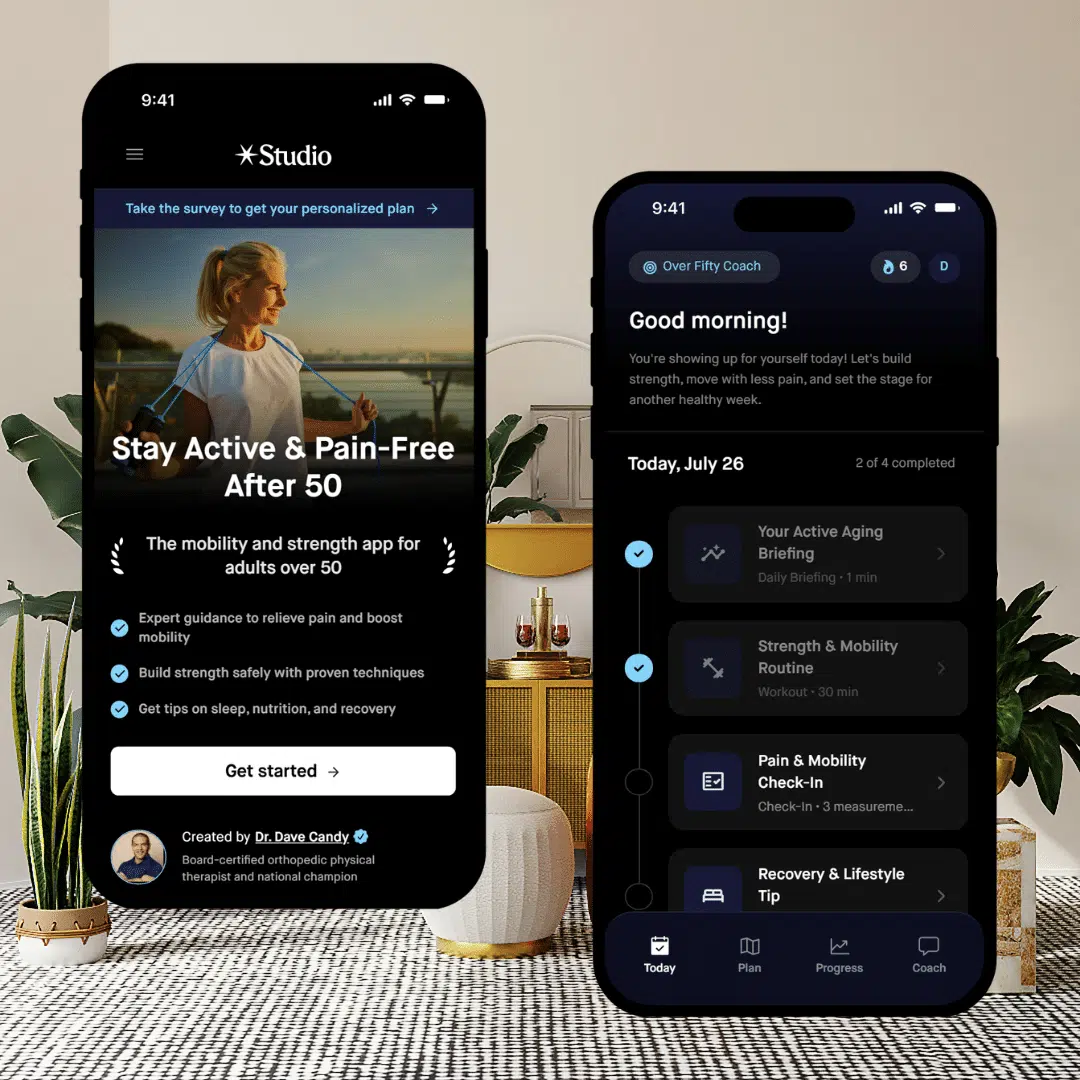
Need Help To Stay Strong and Mobile After 50?
Affiliate Disclosure: This post contains affiliate links to Amazon and/or other sites. While I only recommend products that I trust, as an Amazon Associate, I earn commission from qualifying purchases at no extra cost to you.
Medical Disclaimer: The content on this site is for educational and informational purposes only and is not intended as medical advice. Always consult with a qualified healthcare professional before beginning any new exercise program, diet, or supplement regimen, especially if you have pre-existing health conditions.