
Understanding Air Compression Boots
Do you struggle with tired, heavy legs or slow muscle recovery? Air compression boots are becoming increasingly popular for improving circulation in the legs and speeding up muscle recovery. But do they really work? This post will explore the research-backed benefits of air compression sleeves, how to use them, and what to consider when purchasing a pair.
How Do Air Compression Boots Work?
Air compression sleeves consist of different compartments that fill with air sequentially, starting from the feet and moving up the legs. This creates a pressure gradient, assisting in the return of blood to the heart. When sitting or standing for extended periods, blood can pool in the veins. Air compression boots help combat this by mimicking muscle contractions that pump blood back up through the veins.
Benefits of Air Compression Boots
Research indicates that air compression sleeves can significantly aid in muscle recovery, particularly for endurance athletes. They help decrease lactic acid buildup and alleviate delayed onset muscle soreness (DOMS). Additionally, these sleeves have been traditionally used in hospitals to prevent blood clots, demonstrating their efficacy in improving circulation.

Conditions That May Benefit from Air Compression Boots
Aside from enhancing muscle recovery, air compression boots may also assist in managing lymphedema and other forms of swelling in the legs. However, if you have lymphedema or any other significant swelling, it’s essential to consult with your doctor before using these devices.
How to Use Air Compression Boots
Here’s a step-by-step guide on how to use air compression sleeves effectively:
- Fit: Make sure you have the correct size. Each sleeve has designated left and right sides.
- Attachment: Snap together the foot piece, ensuring your heel is positioned correctly. Fasten the calf sleeve next, followed by the thigh strap.
- Power On: Plug in the device and press the level button to start. It will sequentially apply pressure starting from your feet.
- Pressure Settings: There are four levels of pressure. Level one (75 mmHg) is generally safe for most users. Increase pressure gradually, but be cautious with levels three and four.
- Duration: Sessions can last between 20 to 45 minutes, adjustable based on your comfort and needs.
Choosing the Right Air Compression Boots
When selecting air compression sleeves, consider the following factors:
- Fit: Ensure they match your leg dimensions. A suitable fit will enhance effectiveness.
- Pressure Settings: Look for options that offer a range of pressure settings, ideally starting from 75 mmHg.
- Portability: Some models include storage cases, making them easier to travel with.
- Price: Evaluate your budget and compare options to find the best value for your needs.
Consulting with Your Doctor
Before using air compression boots, it’s wise to consult with your healthcare provider, especially if you have a history of blood clots, heart conditions, or osteoporosis. Pregnant women and those with cancer should also seek medical advice.
Conclusion: Taking the Next Step
Air compression boots can be an effective tool for improving circulation and assisting with muscle recovery. By understanding how they work and following the proper usage guidelines, you can incorporate them into your wellness routine effectively. Consult with your doctor if you have any concerns, and make an informed decision when purchasing your pair. With the right care and knowledge, you can take proactive steps toward better leg health.
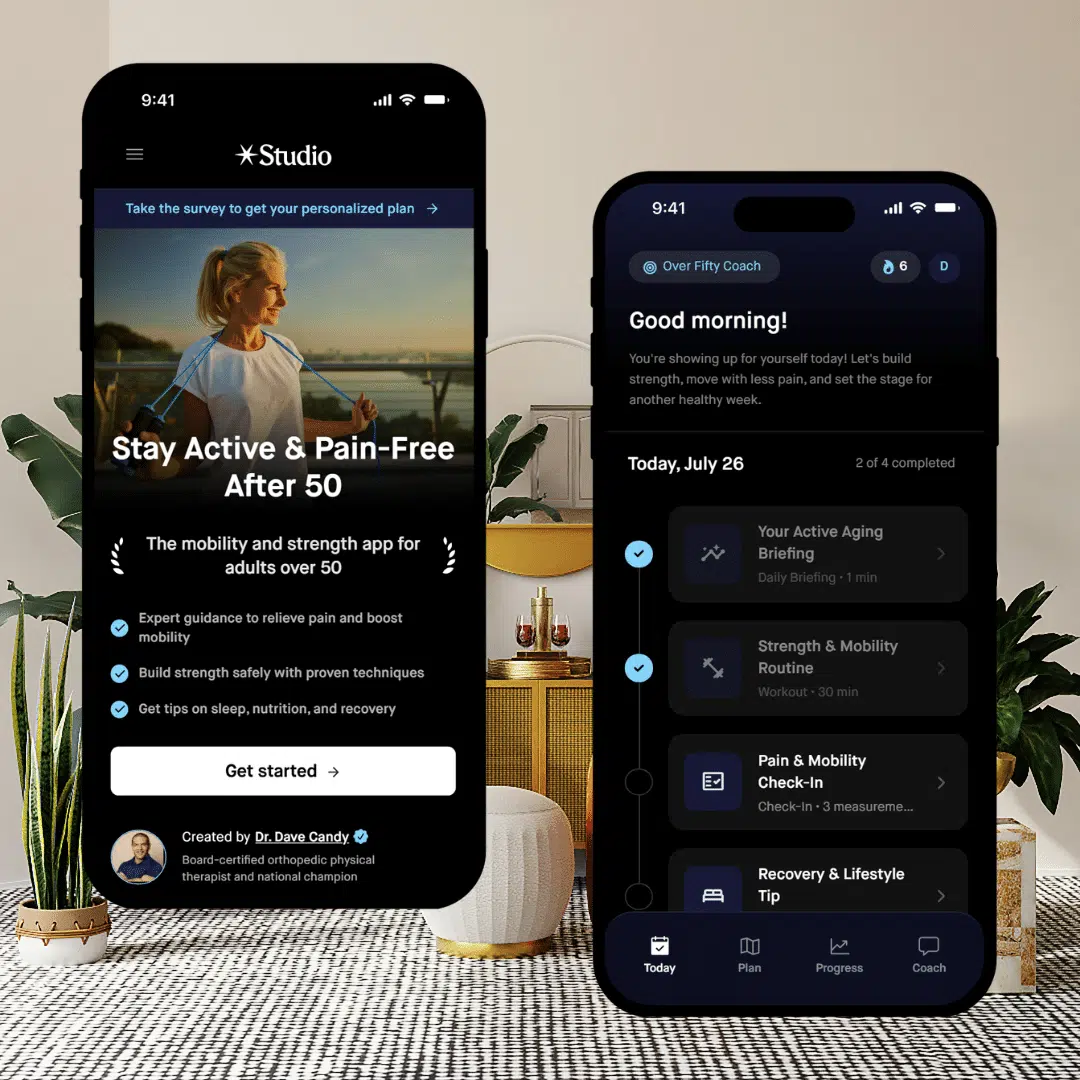
Need Help To Stay Strong and Mobile After 50?
Affiliate Disclosure: This post contains affiliate links to Amazon and/or other sites. While I only recommend products that I trust, as an Amazon Associate, I earn commission from qualifying purchases at no extra cost to you.
Medical Disclaimer: The content on this site is for educational and informational purposes only and is not intended as medical advice. Always consult with a qualified healthcare professional before beginning any new exercise program, diet, or supplement regimen, especially if you have pre-existing health conditions.