
Understanding Muscle Loss After 60
Losing muscle mass after the age of 60 can seem inevitable, but recent findings suggest otherwise. In fact, it is possible to reverse muscle loss in as little as 12 weeks through progressive strengthening exercises and proper nutrition. Sarcopenia, or age-related muscle loss, begins around age 30, accelerating significantly after 60. However, the difference in outcomes among individuals often lies not in genetics, but in lifestyle choices.
The Importance of Strength Training
Research indicates that engaging in a 12-week progressive strengthening program can help maintain or even improve muscle mass. This means that you have the power to control your muscle health. Progressive resistance training is not just about lifting heavy weights; it can involve body weight exercises, resistance bands, or lighter weights, as long as you gradually increase the resistance over time.
Getting Started with Body Weight Exercises
If you’re noticing difficulties with movements such as getting up from a chair, starting with body weight exercises can be beneficial. Incorporate two to three sessions per week, each lasting 20 to 30 minutes. One effective lower body exercise is the sit-to-stand. To perform this exercise, follow these steps:
- Scoot to the front edge of a sturdy chair.
- Position your feet hip-width apart, directly under your knees.
- Lean forward slightly to stack your weight over your feet.
- Push through your heels, driving your knees outwards to stand.
- Squeeze your glutes as you rise to minimize knee strain.
- Slowly sit back down and repeat for 10 repetitions, gradually increasing to three sets.
Upper Body Strengthening
For upper body strength, wall push-ups are a great starting point. Stand facing a wall, arms at shoulder height, and push back using your arms. This exercise is accessible and takes stress off your wrists. As you gain strength, you can adjust your position to increase difficulty, eventually progressing to traditional floor push-ups.
The Role of Nutrition in Muscle Recovery
In addition to strength training, nutrition plays a crucial role in reversing muscle loss. Strength training breaks down muscle tissue, and to rebuild it, your body requires sufficient protein intake. Unfortunately, many older adults do not consume adequate protein for various reasons, including decreased appetite or lifestyle changes.
How Much Protein Do You Need?
Research suggests that older adults should aim for 1.2 to 2.0 grams of protein per kilogram of body weight. For instance, a 150-pound person should target approximately 83 to 137 grams of protein daily. Good protein sources include:
- Animal sources: chicken, fish, dairy, eggs
- Plant sources: beans, tofu, legumes
Overcoming Challenges
What challenges do you face in your muscle recovery journey? Is it the commitment to strength training, ensuring sufficient protein intake, or both? Understanding your barriers can help you find solutions.
Next Steps for Reversing Muscle Loss
To start your journey of reversing muscle loss, focus on incorporating strength training into your routine and ensuring you meet your protein needs. If you need personalized guidance or support, consider scheduling a one-on-one strategy session with a professional. You can also explore resources for bodyweight workouts and nutrition optimization to help you stay on track.
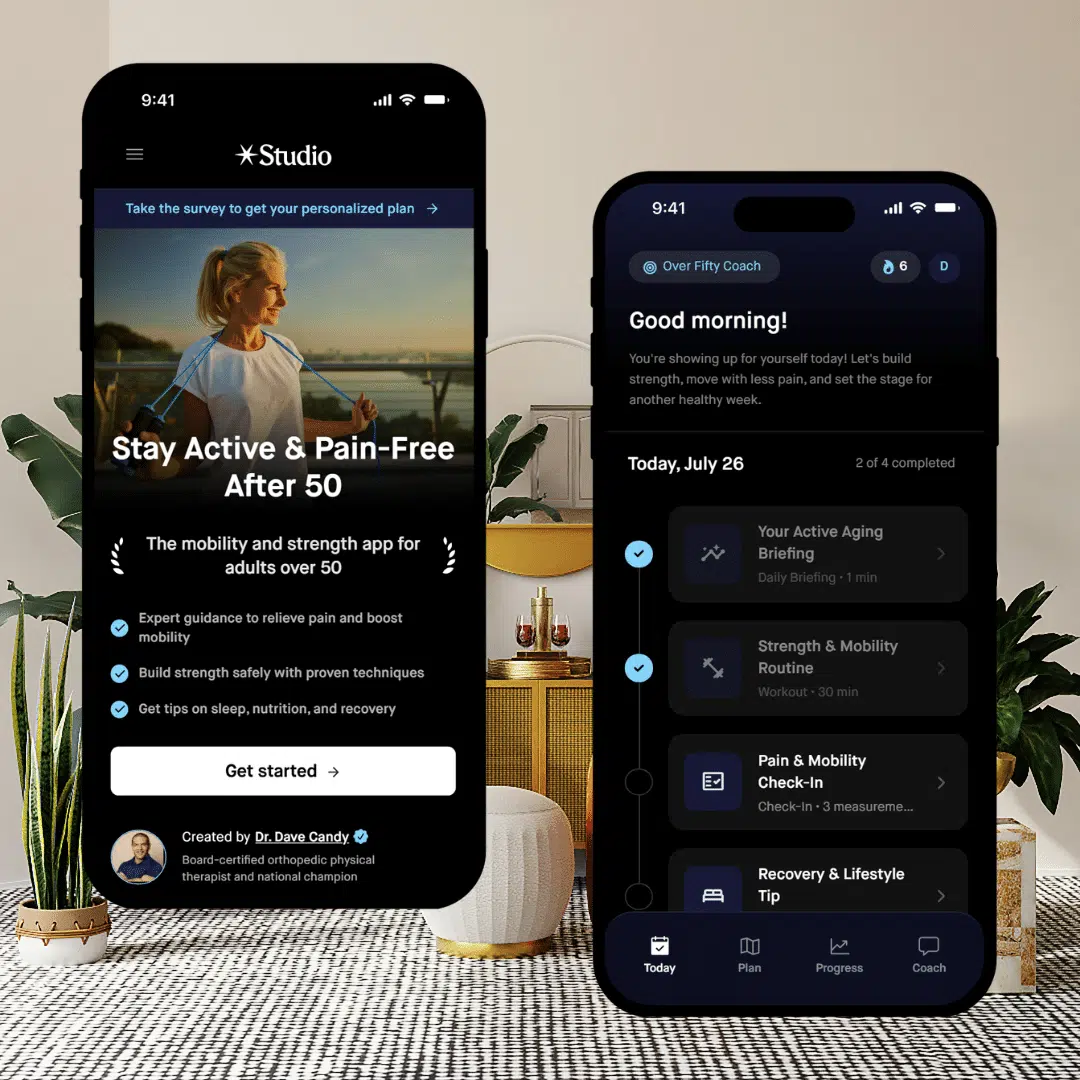
Need Help To Stay Strong and Mobile After 50?
Affiliate Disclosure: This post contains affiliate links to Amazon and/or other sites. While I only recommend products that I trust, as an Amazon Associate, I earn commission from qualifying purchases at no extra cost to you.
Medical Disclaimer: The content on this site is for educational and informational purposes only and is not intended as medical advice. Always consult with a qualified healthcare professional before beginning any new exercise program, diet, or supplement regimen, especially if you have pre-existing health conditions.