
Understanding Low-Level Laser Therapy
Low-level laser therapy (LLLT), also known as red light therapy or photobiomodulation, is gaining traction in the realms of chiropractic and physical therapy. This technique harnesses specific wavelengths of light to enhance cellular function, particularly in your tissues.
The core mechanism behind low-level laser therapy is its ability to stimulate mitochondria, the energy-producing components of cells, to generate more ATP (adenosine triphosphate). This increase in energy production can lead to numerous benefits, including improved metabolism, greater tissue healing, and reduced inflammation.
Benefits of Low-Level Laser Therapy
LLLT offers a variety of therapeutic benefits:
- Enhanced Tissue Healing: By increasing blood flow and oxygen delivery to tissues, this therapy aids in recovery from injuries.
- Decreased Inflammation: It lowers inflammatory markers and promotes anti-inflammatory mediators, which can alleviate pain.
- Chronic Pain Relief: LLLT can stimulate opioid receptors, providing effective pain management for conditions like neuropathy.
Conditions Treated by Low-Level Laser Therapy
Low-level laser therapy can address various musculoskeletal issues, including:
- Sprains and strains
- Tendinopathies
- Low back pain
- Neck pain
- Neuropathy
- Skin conditions such as psoriasis and wound healing
How to Use Low-Level Laser Therapy at Home
Implementing low-level laser therapy at home is straightforward and can be incredibly convenient. One example is the Wellue handheld laser, which integrates red light therapy with TENS (transcutaneous electrical nerve stimulation) for enhanced pain relief.

Step-by-Step Guide to Using the Device
Here’s how to effectively use the Wellue handheld laser:
- Power On: Activate the device using the power switch.
- Select Settings: Choose the intensity (low, medium, high) and time based on your condition.
- Protect Your Eyes: Wear protective glasses to avoid direct exposure to the red light.
- Application: Position the device over the affected area. For deeper tissues, aim for a dosage of 6-12 Joules; for more superficial issues, 3-10 Joules might be sufficient.
- Use Frequency: Follow the recommended use frequency—typically 2-3 times per day for optimal results.
Understanding Dosage and Time
The duration of each session and the dosage depend on the specific condition being treated. For deeper muscle issues, sessions may last 2-3 minutes at maximum output, while skin conditions may require shorter durations.
It’s essential to refer to the device’s guide for specific parameters based on your condition. Consistency is key, so adhering to a regular treatment schedule can enhance effectiveness.
Considerations When Using Low-Level Laser Therapy
While low-level laser therapy can be beneficial, there are some considerations:
- TENS Setting: Some users may find the TENS function uncomfortable. If this is the case, feel free to use the red light therapy alone.
- Conductive Gel: If using the TENS option, applying a conductive gel can improve comfort and effectiveness.
- Self-Application: The device often comes with a strap, allowing hands-free application while you go about your day.
Final Thoughts on Low-Level Laser Therapy at Home
Low-level laser therapy is a promising approach for pain management and healing that you can conveniently implement at home. By understanding the device settings, application techniques, and proper usage frequency, you can maximize its benefits. Always consult with a healthcare professional before starting any new treatment to ensure it’s appropriate for your specific needs.
Actively incorporating low-level laser therapy into your wellness routine can lead to enhanced recovery and improved quality of life. Explore options, stay consistent, and take charge of your health!
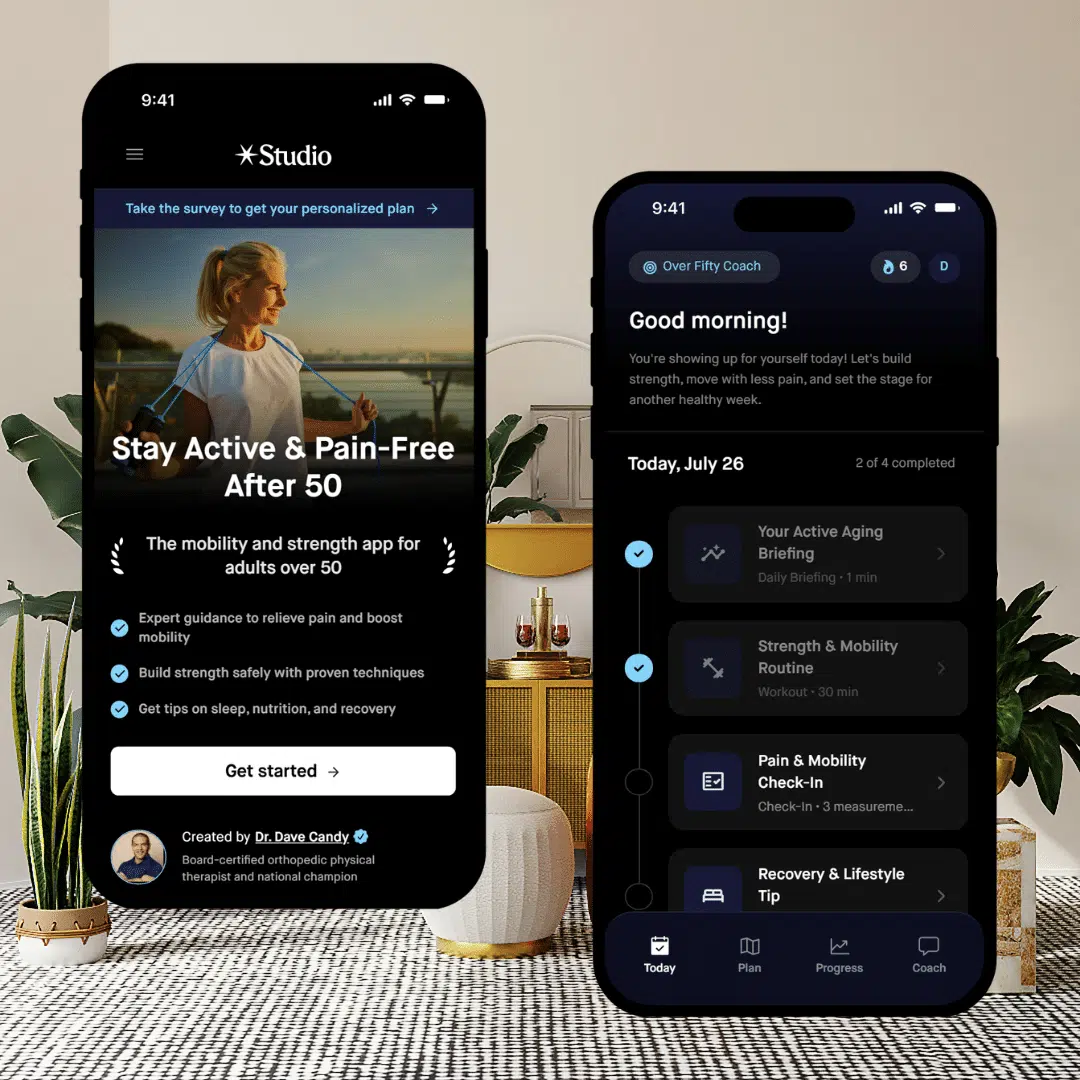
Need Help To Stay Strong and Mobile After 50?
Affiliate Disclosure: This post contains affiliate links to Amazon and/or other sites. While I only recommend products that I trust, as an Amazon Associate, I earn commission from qualifying purchases at no extra cost to you.
Medical Disclaimer: The content on this site is for educational and informational purposes only and is not intended as medical advice. Always consult with a qualified healthcare professional before beginning any new exercise program, diet, or supplement regimen, especially if you have pre-existing health conditions.