
Understanding Red Light Therapy
Red light therapy, also known as low-level laser therapy, has gained popularity for treating various chronic pains, including back pain and knee arthritis. This innovative approach uses photobiomodulation, which is the effect of light on living tissues. Numerous studies suggest that red light therapy can effectively alleviate pain associated with several musculoskeletal conditions.
What Conditions Can Red Light Therapy Help?
Research indicates that red light therapy is beneficial for conditions such as:
- Non-specific knee pain
- Arthritis
- Chronic and acute low back pain
- Neck pain
- Temporomandibular disorders (TMD)
- Tendinopathies
- Fibromyalgia
- Diabetic neuropathy
While the studies are mostly short-term, they show promising results for pain relief, making red light therapy a viable option for many individuals suffering from chronic pain.
How Does Red Light Therapy Work?
Red light therapy operates through multiple mechanisms that enhance healing and reduce pain. One primary method is by improving energy production in the mitochondria, the powerhouses of our cells. By binding to specific components of the electron transport chain, red light increases the efficiency of energy production.
Additionally, red light therapy can activate opioid receptors in the body, providing a non-pharmacological alternative to chemical opioids for pain relief. It also boosts nitric oxide production, which enhances blood flow and circulation, aiding tissue healing.
Benefits of Red Light Therapy
Other benefits of red light therapy include:
- Increasing anti-inflammatory mediators like interleukin 10
- Decreasing inflammatory mediators such as interleukin 1 beta and TNF alpha
- Reducing the transmission of pain signals in the spinal cord
These effects collectively contribute to its efficacy in managing pain and promoting healing.
Dosage and Administration
For optimal results, red light therapy is typically administered 2 to 3 times a week for about 20 minutes per session, lasting for 4 to 8 weeks depending on the condition being treated. While clinical units are more powerful, at-home units have become increasingly popular due to their convenience and ease of use.
Using At-Home Red Light Therapy Devices
When choosing an at-home red light therapy device, ensure it provides an effective dose. One such device is the Prungo red light therapy module, an FDA-cleared medical-grade laser. The device can be placed directly over the painful area, making it user-friendly.

For example, if you’re dealing with knee arthritis, position the device on the front and sides of your knee. It’s important to follow the dosage recommendations for the best results.
Personal Experience with Red Light Therapy
In my experience with the Prungo unit, I found it effective for treating chronic pain. For instance, my wife, an avid runner, experienced a significant reduction in her hamstring tendonopathy pain after just one session. Similarly, my daughter found relief from thigh soreness after using the device.
How to Use the Prungo Red Light Therapy Module
To use the Prungo unit:
- Turn on the device and select the desired mode (8, 15, or 20 minutes).
- Place the device over the painful area, ensuring it’s secure.
- Leave the device on for the selected duration; you should only feel mild warmth.
- Once the session ends, the device will shut off automatically.
While results may vary, the Prungo unit comes with a satisfaction guarantee, allowing users to try it risk-free.
Next Steps for Managing Chronic Pain
Red light therapy presents a promising option for those seeking relief from chronic pain conditions. If you’re interested in trying this therapy, research different units, consult with a healthcare professional, and consider how it may fit into your pain management strategy. Remember, individual results may vary, and it’s essential to explore all options for effectively managing your pain.
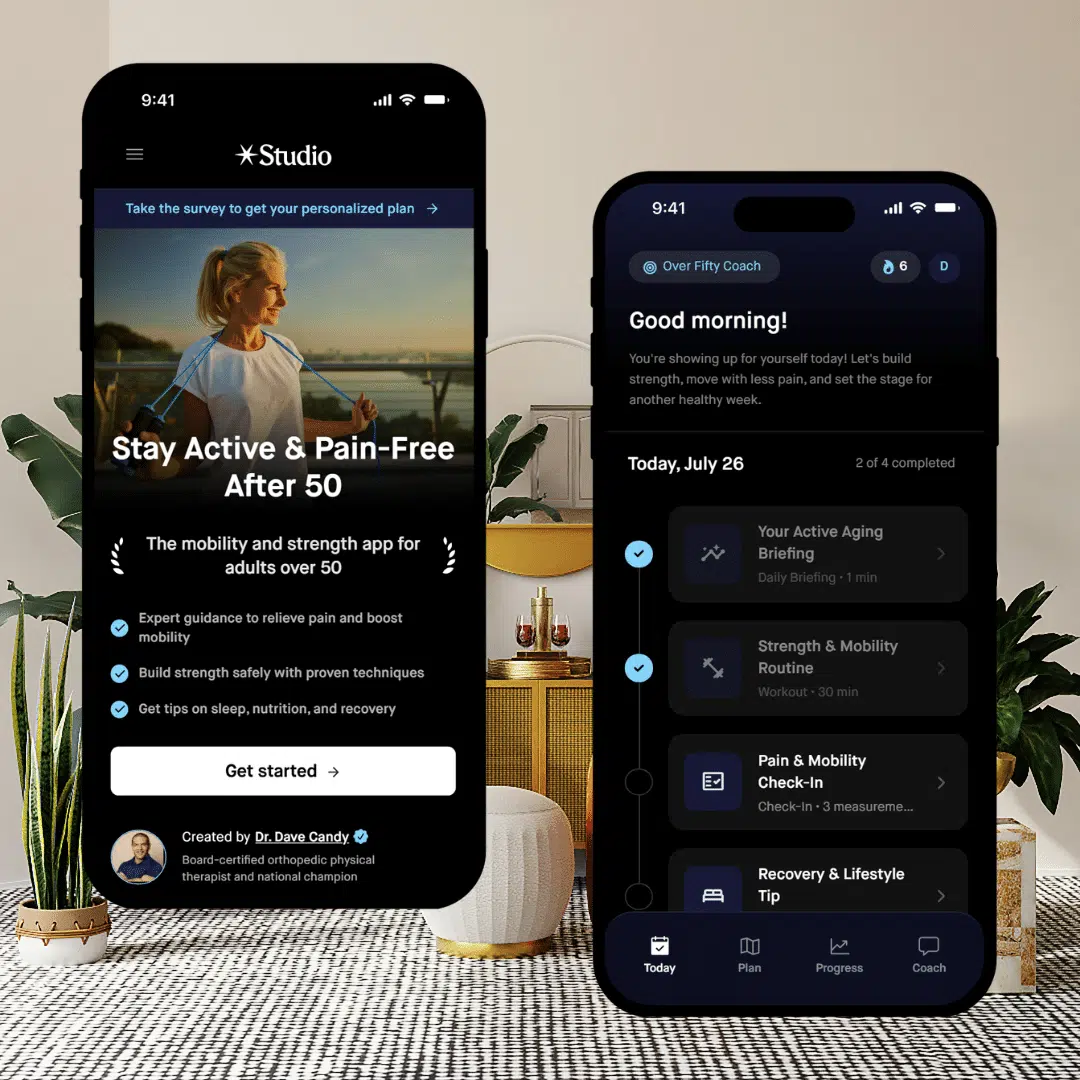
Need Help To Stay Strong and Mobile After 50?
Affiliate Disclosure: This post contains affiliate links to Amazon and/or other sites. While I only recommend products that I trust, as an Amazon Associate, I earn commission from qualifying purchases at no extra cost to you.
Medical Disclaimer: The content on this site is for educational and informational purposes only and is not intended as medical advice. Always consult with a qualified healthcare professional before beginning any new exercise program, diet, or supplement regimen, especially if you have pre-existing health conditions.