
Understanding Lower Back Pain When Standing Up
If you experience sharp stabbing pain in your buttock when you stand up from sitting, you’re not alone. This discomfort, often felt as your hip locks up, can be both alarming and frustrating. Understanding the underlying causes and implementing effective strategies can help alleviate this pain and prevent it from recurring.
What Causes Sharp Pain in the Buttock?
The sharp pain in your buttock when transitioning from sitting to standing often stems from issues related to the sacroiliac (SI) joint. This joint connects your spine to your pelvis, and if it becomes hypermobile or excessively mobile, it can lead to pain during movements like standing up or rolling over in bed.
When your SI joint is hypermobile, it may get stuck in an extended position after prolonged periods of sitting. As you attempt to stand, the joint struggles to rotate back into its normal position, resulting in that sharp, stabbing pain.
How to Alleviate Pain When Standing Up
To reduce discomfort when standing, consider the following tips:
- Stabilize Your SI Joint: As you begin to stand, lean slightly forward. Tighten your abdominal muscles and squeeze your glutes to stabilize your SI joint. This technique helps ease the transition from sitting to standing.
- Use a Stepwise Approach: Stand up approximately 75% of the way, then take a step with the non-painful leg before fully standing. This can help alleviate pressure on the affected joint.
Exercises to Prevent Future Pain
In addition to immediate relief strategies, strengthening the muscles that support your SI joint is crucial for preventing pain in the future. Here are some exercises to incorporate into your routine:
1. Glute Activation Exercise
To strengthen your glutes and stabilize your SI joint, follow these steps:
- Lie on your back on a flat surface.
- Perform a pelvic tilt to flatten your lower back against the surface.
- Squeeze your glutes and push your knees slightly outward.
- Lift your buttocks just slightly off the surface, holding for 5-10 seconds. Repeat this 10 times.
2. Unlocking the SI Joint
If you find yourself with a locked SI joint, try this simple technique:
- Lie on your side on a bed or couch.
- Pull the opposite knee towards your chest while letting the affected leg drop off the side.
- Squeeze the glute on the affected side while keeping your lower back flat.
- Repeat this motion gently, holding for 5 seconds at a time.
Long-Term Strategies for SI Joint Stability
To maintain SI joint stability and prevent pain, consider implementing the following strategies:
- Regular Strengthening Exercises: Incorporate exercises that target your glutes and core muscles into your weekly routine.
- Mindful Movement: Pay attention to your posture and movements throughout the day, especially when transitioning from sitting to standing.
Next Steps
Experiencing lower back pain when standing up from sitting is manageable with the right techniques and exercises. By stabilizing your SI joint and strengthening surrounding muscles, you can significantly reduce discomfort and enhance your overall mobility. Try these tips and exercises consistently for the best results, and consult a physical therapist if pain persists or worsens.
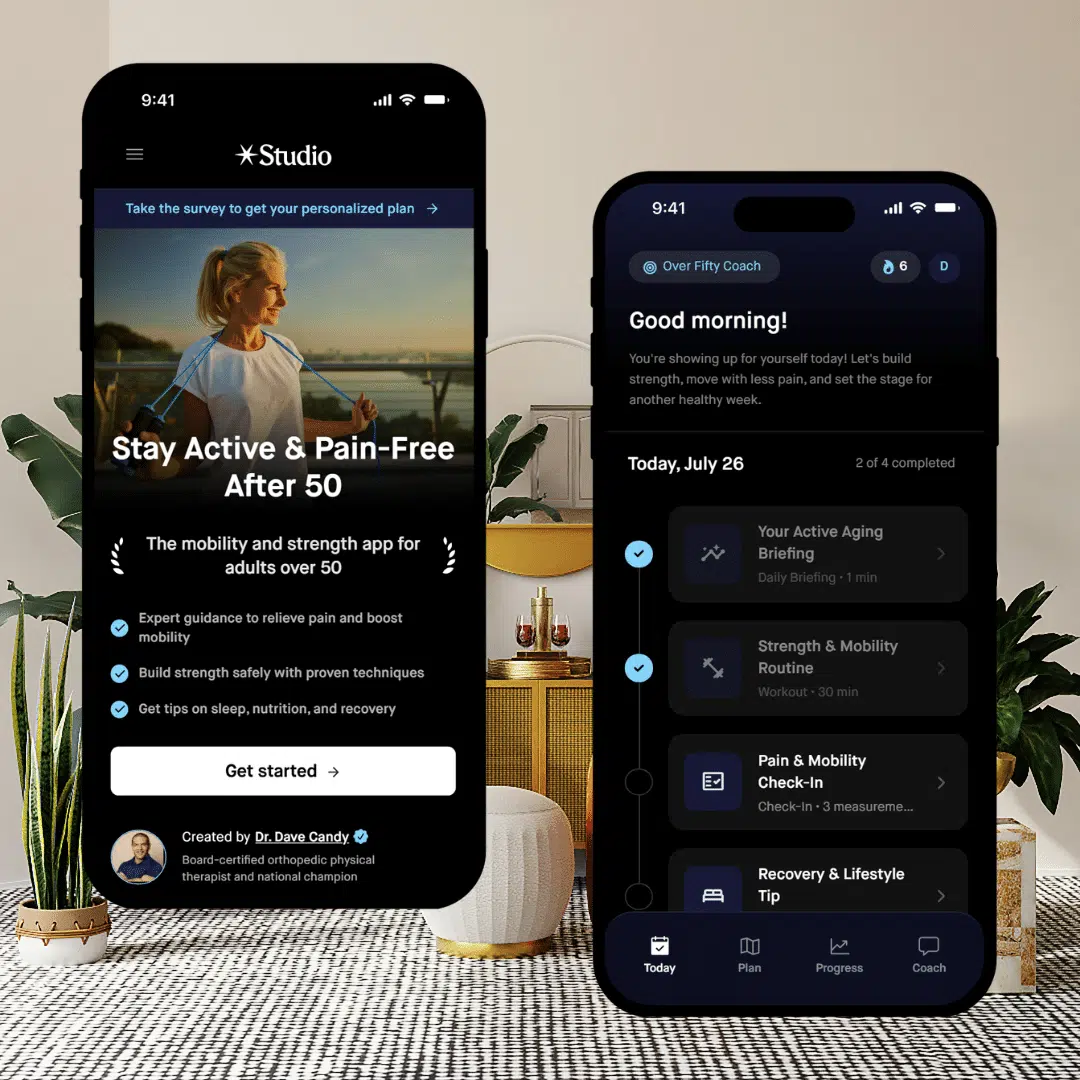
Need Help To Stay Strong and Mobile After 50?
Affiliate Disclosure: This post contains affiliate links to Amazon and/or other sites. While I only recommend products that I trust, as an Amazon Associate, I earn commission from qualifying purchases at no extra cost to you.
Medical Disclaimer: The content on this site is for educational and informational purposes only and is not intended as medical advice. Always consult with a qualified healthcare professional before beginning any new exercise program, diet, or supplement regimen, especially if you have pre-existing health conditions.