
Introduction to Weighted Vests
Weighted vests have surged in popularity among fitness enthusiasts, but do they actually work? When used properly, weighted vests can enhance your workout and help achieve specific fitness goals. Whether your aim is to burn extra calories, build muscle strength, or improve bone density, understanding how to incorporate a weighted vest into your routine is essential.
Burning Calories with Weighted Vests
One of the primary reasons people wear weighted vests is to increase calorie burn during workouts. Research indicates that wearing a vest that comprises 15% of your body weight can boost calorie expenditure by 10 to 15% during walking exercises. This means that if you’re looking to enhance your cardiovascular workouts, a weighted vest can be a valuable tool.
How Weighted Vests Impact Muscle Strength
When it comes to building muscle strength, weighted vests can offer some benefits, but they are not a miracle solution. For instance, doing squats with a weighted vest versus holding a dumbbell can yield similar results, provided the resistance is appropriately adjusted. If you shift from bodyweight squats to using a 20 lb vest, you will likely notice an increase in strength. The key is to gradually increase your resistance.
Convenience of Using Weighted Vests
Weighted vests are particularly useful for bodyweight exercises like squats, lunges, push-ups, and pull-ups. They provide an easy way to add extra resistance without the need for bulky equipment. This portability makes them an excellent option for home workouts or outdoor activities.
Considerations for Older Adults
As a physical therapist, I often get inquiries about the benefits of weighted vests for older adults, especially regarding bone density. While early research suggests that weighted vests could help slow down bone loss, it’s important to note that more studies are needed to understand their full impact. If you’re considering a weighted vest for bone health, consult with your doctor first to ensure it’s a safe choice for you.
Safety Tips for Using Weighted Vests
When using a weighted vest, safety should be your priority. If you have low bone density or osteoporosis, loading too much weight too quickly can increase your fracture risk. It’s recommended to start with a light vest and gradually increase the weight as your body adjusts.
Choosing the Right Vest
The adjustable weighted vest from Sportneer offers flexibility and comfort. Weighing less than a pound itself, it features Velcro pockets that can hold sandbags, allowing you to customize the weight from a minimal amount to a maximum of 40 lbs. Beginners should start with 5-10% of their body weight and gradually increase, especially for dynamic activities like running.

How to Use Weighted Vests Effectively
For those interested in calisthenics, wearing a weighted vest can provide a unique way to add resistance to your exercises. However, ensure the vest fits snugly to prevent sagging, especially during push-ups. Secure shoulder straps and waist cinches keep the vest in place, allowing for smoother movements.
Washing and Maintenance
Another benefit of the Sportneer adjustable vest is its ease of maintenance. After your workout, you can simply remove the sandbags and toss the entire vest into the washing machine. This convenience helps keep your gear clean and ready for your next session.
Conclusion: Next Steps with Weighted Vests
In summary, weighted vests can be a beneficial addition to your fitness routine, especially for calorie burning and strength training. Always prioritize safety and consult with a healthcare professional if you have any underlying conditions. Start light, listen to your body, and progressively increase your resistance to maximize the benefits of using a weighted vest.
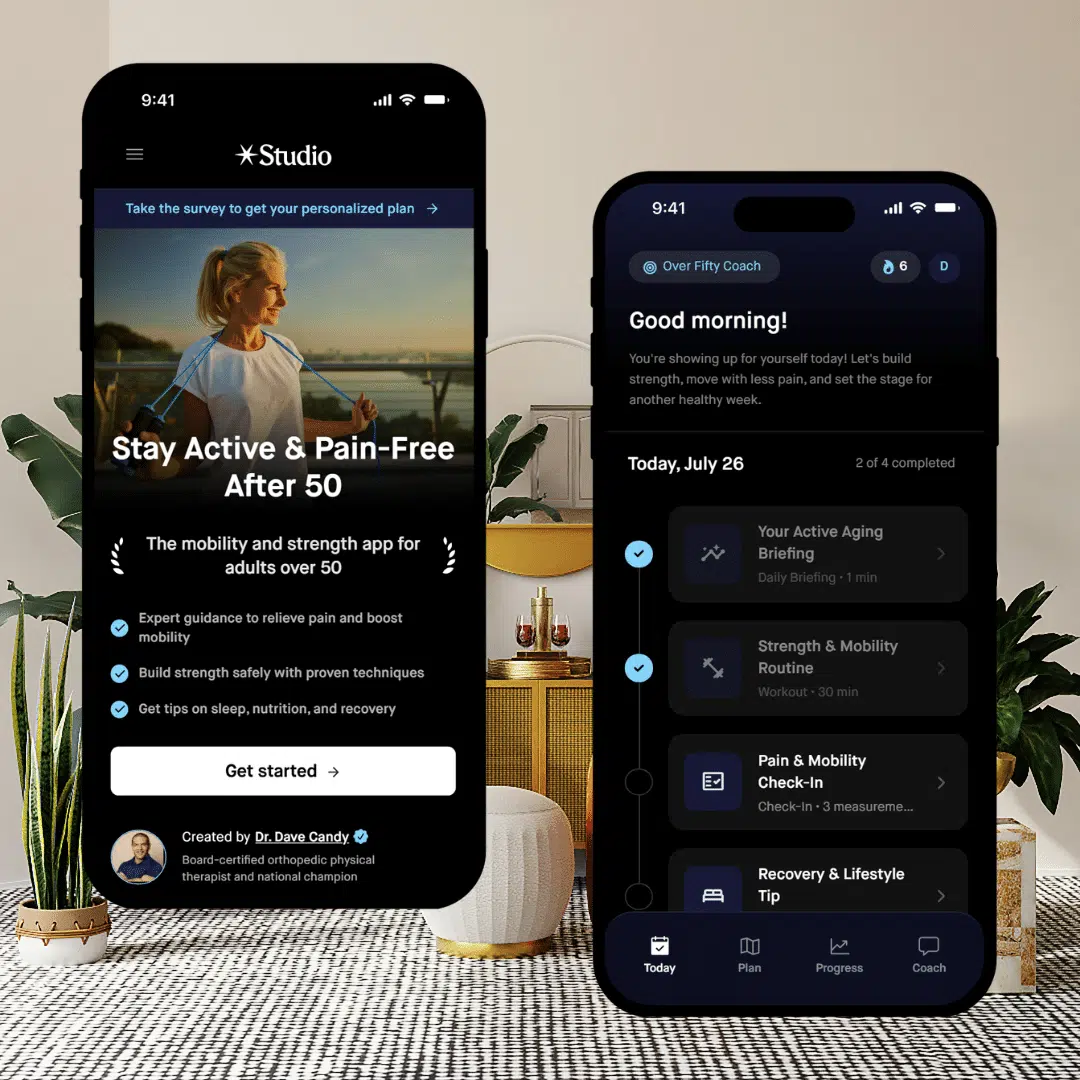
Need Help To Stay Strong and Mobile After 50?
Affiliate Disclosure: This post contains affiliate links to Amazon and/or other sites. While I only recommend products that I trust, as an Amazon Associate, I earn commission from qualifying purchases at no extra cost to you.
Medical Disclaimer: The content on this site is for educational and informational purposes only and is not intended as medical advice. Always consult with a qualified healthcare professional before beginning any new exercise program, diet, or supplement regimen, especially if you have pre-existing health conditions.