
Understanding Weak Glutes Over 50
If you’re over 50, weak glutes can lead to not only balance problems but also discomfort and a less active lifestyle. However, it’s important to note that your glutes may not actually be weak; they might just be inactive. In this post, we’ll explore three effective exercises to wake up those glute muscles, allowing you to move better and feel stronger.
What Causes Inactive Glutes?
The primary reason for inactive glutes often stems from a lack of communication between your brain and the muscles. This can happen due to various reasons, including a pinched nerve in the lower back or simply because your brain has forgotten how to activate these muscles. The good news is that glute activation exercises can often yield quicker results than traditional strengthening methods.
1. Glute Activation with Bridges
The first exercise to wake up your glutes is the bridge. This can be performed on the floor or on a bed if getting down to the floor is challenging. To correctly execute this exercise:
- Start Position: Lie on your back with your knees bent and feet flat on the floor.
- Pelvic Tilt: Perform a slight pelvic tilt by tightening your abdominal muscles. Flatten your lower back against the floor.
- Foot Position: Ensure your feet are flat and your knees are bent, avoiding digging into your heels.
- Lift: Drive your knees slightly outwards and lift your bottom off the floor, ensuring you do not arch your lower back. Hold this position for 10 seconds before lowering back down.
Repeat this movement for 10 repetitions. This exercise helps to engage your glutes effectively.
2. Sit to Stand with Glute Activation
The second exercise is a sit-to-stand with a band around your knees. This position activates your glutes in a weight-bearing scenario:
- Setup: Sit on a chair with a resistance band around your knees.
- Leaning Forward: As you stand, lean your trunk forward while turning your knees out into the band.
- Hip Drive: Think about pushing your hips forward instead of just extending your knees. This helps activate the glutes rather than relying on your quads.
- Controlled Descent: Sit back down slowly to control the movement and ensure proper engagement of your glutes.
Focus on keeping your knees turned out and your weight distributed evenly as you perform this exercise.
3. Single-Leg Glute Activation
Lastly, we need to activate the glutes while standing on one leg, which is essential for walking:
- Shift Weight: Start by standing on both feet and then shift your weight to one leg.
- Knee Position: Turn your knee outwards and put more weight on the outer side of your foot.
- Pelvis Turn: Slightly turn your pelvis away from the stance leg to engage the glute muscles.
- Lift: If possible, lift the opposite leg off the ground while maintaining balance. If not, keep it touching the ground for support.
This exercise reinforces glute activation during your walking pattern, which is crucial for maintaining balance and stability.
Conclusion: Next Steps for Stronger Glutes
Waking up your glutes is an essential step for enhancing your overall movement quality, especially after 50. If you find that these exercises help but you still experience weakness, consider incorporating some strengthening exercises into your routine. Remember, activating your glutes can lead to better balance, reduced pain, and enhanced physical activity.
For further exercises and insights, consider consulting with a physical therapist who can provide personalized recommendations based on your condition.
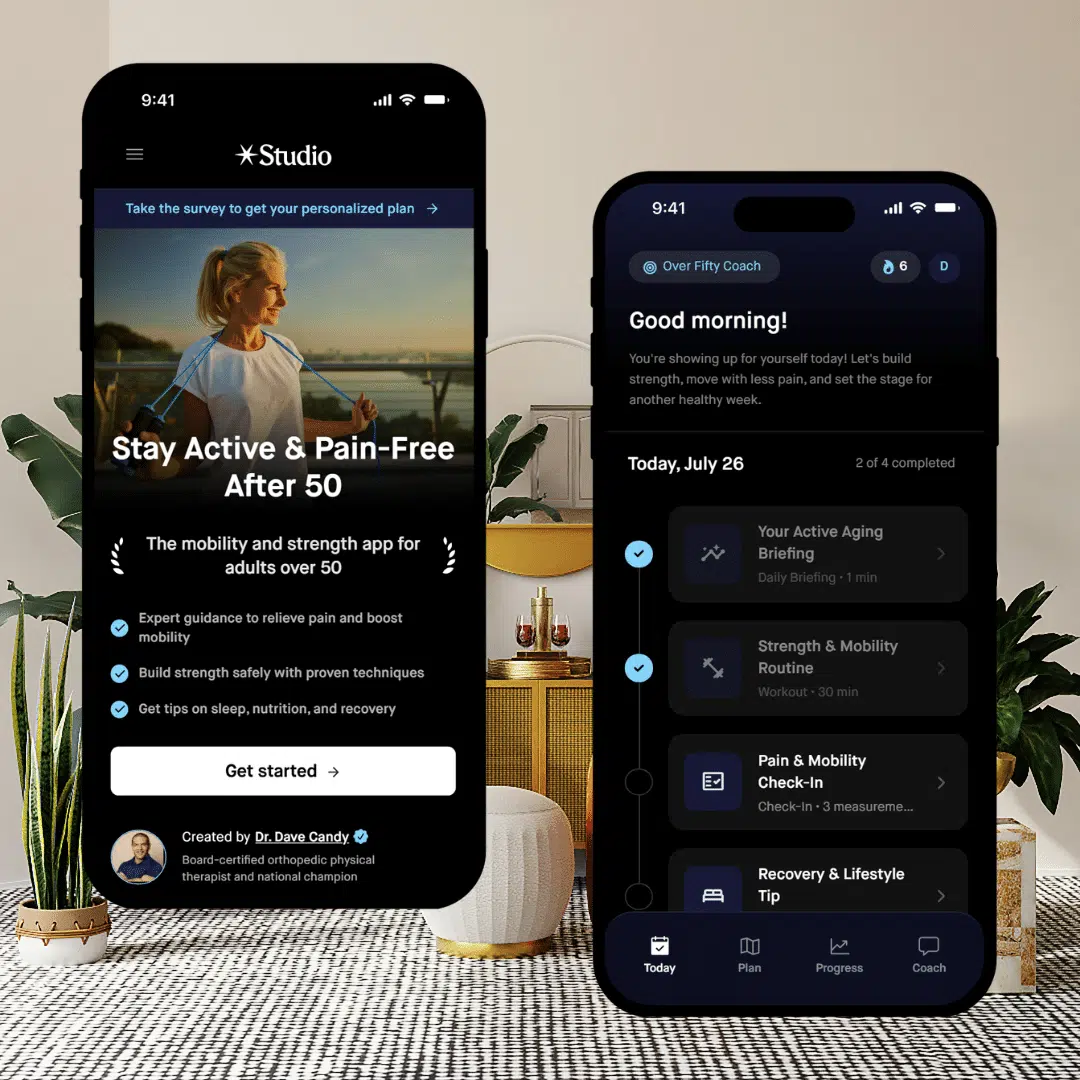
Need Help To Stay Strong and Mobile After 50?
Affiliate Disclosure: This post contains affiliate links to Amazon and/or other sites. While I only recommend products that I trust, as an Amazon Associate, I earn commission from qualifying purchases at no extra cost to you.
Medical Disclaimer: The content on this site is for educational and informational purposes only and is not intended as medical advice. Always consult with a qualified healthcare professional before beginning any new exercise program, diet, or supplement regimen, especially if you have pre-existing health conditions.