
Understanding Back Pain: Muscle vs. Disc
Back pain is a common issue that many people face, but how do you know if it’s caused by a muscle strain or a disc injury? Understanding the source of your pain is crucial for effective treatment and relief. This guide will help you identify the differences between muscle and disc-related back pain and provide actionable steps for relief.
Identifying the Source of Your Pain
When people experience back pain, they often wonder about its severity. A muscle strain typically heals over time, while a disc injury may seem more serious. However, it’s important to note that disc injuries can also heal themselves with time.
Characteristics of Disc Pain
Disc-related pain often presents itself as sharp, sudden pain, particularly when bending or lifting. You may feel a ‘catch’ or experience difficulty standing back up. In more severe cases, disc injuries can lead to nerve root pressure, causing pain that radiates down the leg, numbness, or weakness. If you experience these symptoms, consulting a medical professional is advisable.
Characteristics of Muscle Pain
Conversely, muscle pain is usually more localized, often found on one side of the lower back. When a disc is injured, muscles may go into protective spasms to stabilize the spine. As acute disc pain subsides, muscle pain can persist due to these spasms.
What To Do About Back Pain
Regardless of whether your back pain stems from a muscle or a disc issue, managing your symptoms is the first step. Here are some effective strategies:
Acute Phase Management
In the acute phase, focus on controlling your symptoms. Spinal manipulation can provide immediate relief, especially when pain is localized and not radiating below the knee. Directional specific exercises can also be beneficial. If you feel better standing than sitting, try backward bending exercises like standing backward bends or prone press-ups. If your pain worsens while standing, forward bending exercises may be more suitable.
Using Modalities for Pain Relief
Additional modalities, such as TENS units or traction, can help decrease pain levels. At this stage, the goal is symptom management before addressing the underlying mechanical issues.
Moving Beyond the Acute Phase
Once your symptoms are under control, you can begin to focus on spinal stability, which is essential whether your pain is muscle or disc-related.
Spinal Stabilization Exercises
Incorporating spinal stabilization exercises into your routine can help prevent future injuries and improve your overall spinal health. Look for instructional videos or consult with a physical therapist for tailored exercises.
Conditioning and Strengthening
After you’ve regained some functionality, it’s time to move on to conditioning exercises. Aerobic activities and strength training can be incorporated safely, even with a history of back pain. However, ensure you use proper techniques and loads when performing exercises like squats and deadlifts.
Conclusion: Taking the Next Steps
Understanding whether your back pain is due to a muscle or a disc is vital for effective treatment. By recognizing the symptoms and employing the right management strategies, you can take meaningful steps towards relief. Always consult with a healthcare professional for personalized advice and treatment plans.
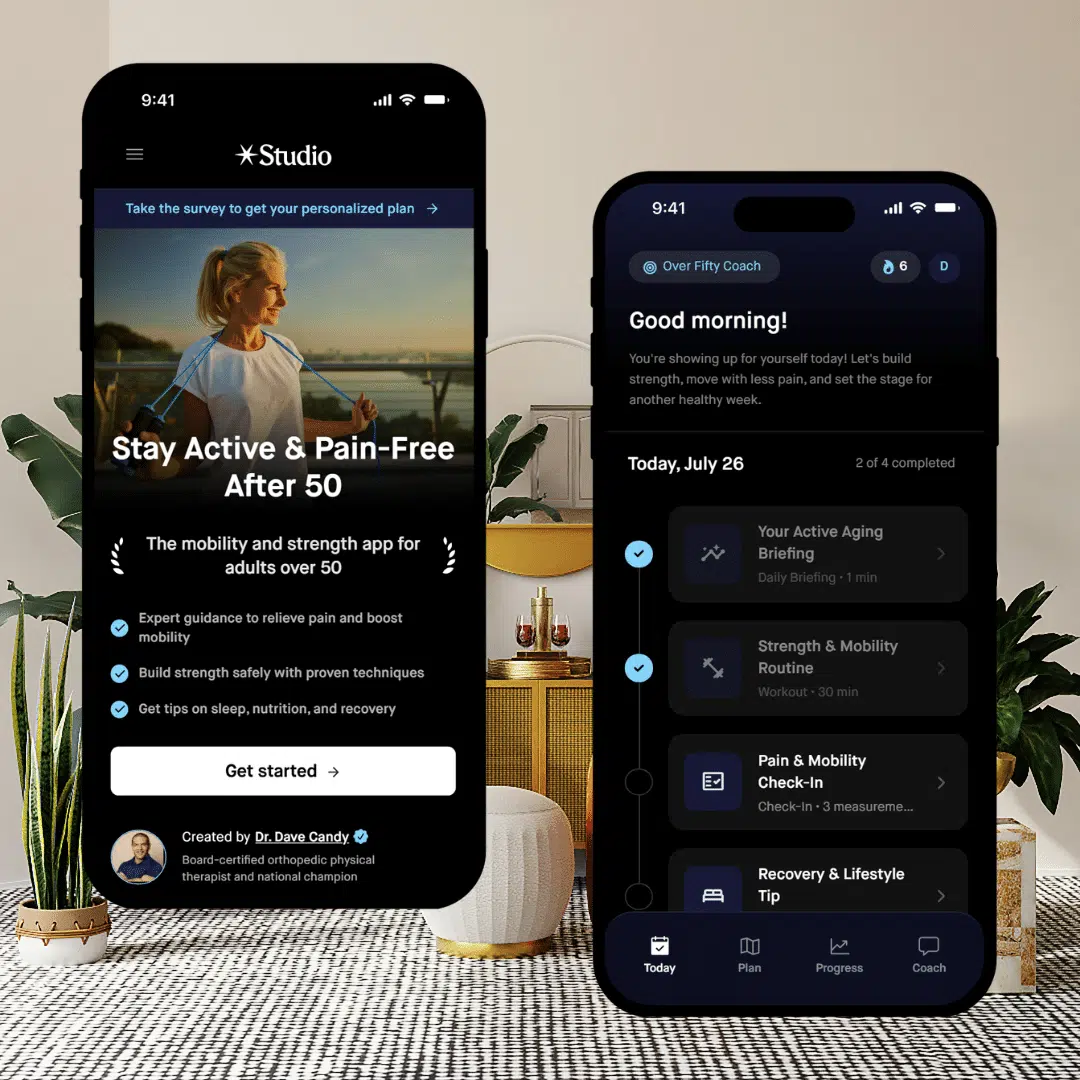
Need Help To Stay Strong and Mobile After 50?
Affiliate Disclosure: This post contains affiliate links to Amazon and/or other sites. While I only recommend products that I trust, as an Amazon Associate, I earn commission from qualifying purchases at no extra cost to you.
Medical Disclaimer: The content on this site is for educational and informational purposes only and is not intended as medical advice. Always consult with a qualified healthcare professional before beginning any new exercise program, diet, or supplement regimen, especially if you have pre-existing health conditions.