
Enhancing Blood Flow and Circulation Naturally
If you’re looking to boost blood flow and circulation, proper diet and exercise are essential first steps. However, supplements can provide an additional support system. This post outlines the top 10 supplements that can naturally improve circulation, ensuring you consider them as part of a balanced approach to health.
1. Omega-3 Fatty Acids
Omega-3 fatty acids, found in fatty cold-water fish such as salmon, mackerel, and sardines, play a crucial role in enhancing circulation. These essential fats help reduce inflammation, improve blood vessel flexibility, and lower blood pressure. A dose of 1,000 to 2,000 milligrams of combined EPA and DHA can effectively boost circulation. For vegans, flax seeds, chia seeds, and walnuts are excellent sources of ALA, albeit with slightly different absorption rates.
2. L-Arginine
L-arginine is an amino acid that serves as a building block of proteins. It can be found in meats, nuts, and dairy products. While a protein-rich diet typically provides sufficient amounts, supplementation can be beneficial. A daily dose of 2,000 to 6,000 milligrams has been shown to improve blood flow.
3. Citrulline
Citrulline, derived from watermelons, is another amino acid that converts into L-arginine in the body. Its bioavailability means you require a lower dosage of about 1,000 to 3,000 milligrams compared to L-arginine. This supplement may also cause less abdominal discomfort than its counterpart.
4. Coenzyme Q10 (CoQ10)
CoQ10 is found in small amounts in meats, fish, and whole grains. It plays a vital role in energy production and acts as an antioxidant, reducing oxidative stress on blood vessels. A typical daily dose ranges from 100 to 300 milligrams.
5. Beetroot
Beetroot is a rich source of nitrates, which convert into nitric oxide, a vasodilator that helps expand blood vessels and improve circulation. You can consume beetroot in various forms, including juice or powder, with recommended doses of 500 to 1,000 milligrams of beetroot powder or about 250 milliliters of beetroot juice.
6. Vitamin C
This powerful antioxidant, commonly found in citrus fruits, decreases oxidative stress on blood vessels and has anti-inflammatory properties. Supplemental doses range from 500 to 1,000 milligrams per day.
7. Vitamin E
Vitamin E not only acts as an antioxidant but also has anticoagulant properties, preventing blood clots. You can find it in nuts, seeds, and leafy greens or take supplements of 100 to 400 international units.
8. Ginkgo Biloba
Ginkgo biloba is known for increasing blood flow to the brain and extremities. It may help those experiencing cold hands and feet. However, be cautious as it can interact with medications, particularly blood thinners.
9. Vitamin B3 (Niacin)
Vitamin B3 produces nitric oxide, enhancing blood flow. It can also influence cholesterol levels, lowering bad cholesterol (LDL) and raising good cholesterol (HDL). A dose of 500 to 1,000 milligrams of niacin is often effective, but be prepared for potential flushing. An extended-release form may help if you are sensitive.
10. Curcumin
Curcumin, derived from turmeric, is widely recognized for its anti-inflammatory properties. To achieve the effective dose of 500 to 1,000 milligrams per day, supplementation is often necessary, as curcumin only comprises 2 to 5% of turmeric. Combining it with black pepper significantly enhances absorption.
Conclusion: Choose Wisely for Better Circulation
While these top 10 supplements can help boost circulation, it’s crucial to consult with a healthcare professional before starting any new regimen. Remember, supplements should complement a healthy diet and lifestyle, not replace them. Consider your options carefully, and incorporate these supplements where necessary to support your cardiovascular health.
For those looking for more tips on improving circulation, remember that a balanced diet rich in these nutrients combined with regular exercise is key to overall health.
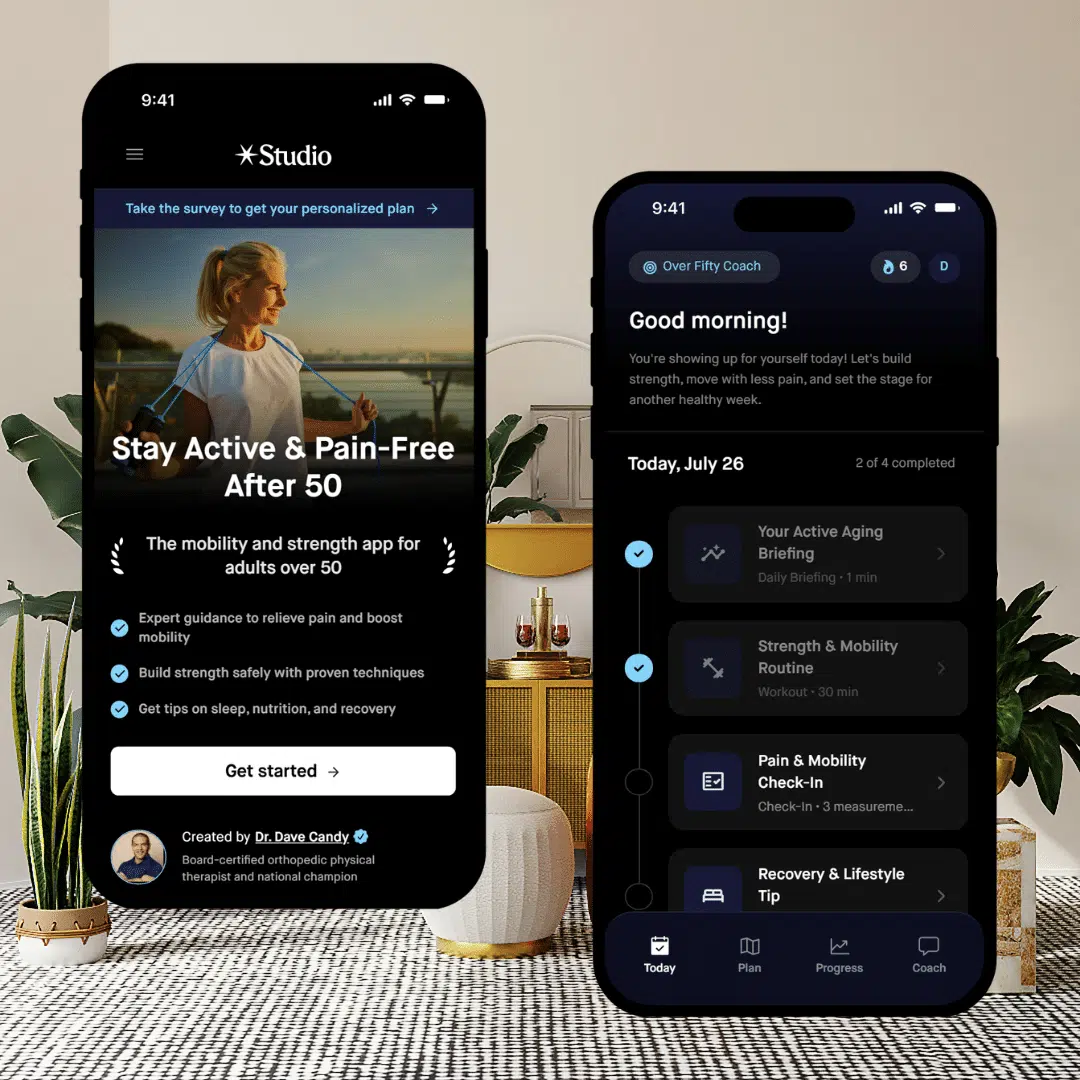
Need Help To Stay Strong and Mobile After 50?
Affiliate Disclosure: This post contains affiliate links to Amazon and/or other sites. While I only recommend products that I trust, as an Amazon Associate, I earn commission from qualifying purchases at no extra cost to you.
Medical Disclaimer: The content on this site is for educational and informational purposes only and is not intended as medical advice. Always consult with a qualified healthcare professional before beginning any new exercise program, diet, or supplement regimen, especially if you have pre-existing health conditions.