
Introduction
Walking is a fundamental activity that many of us take for granted, yet it can lead to discomfort and pain if not done correctly. In this post, we will share 7 tips for pain-free walking, derived from over 16 years of experience as a physical therapist. These actionable insights will help you walk longer and farther without pain.
1. Foot Placement: Outside to Inside
Conventional wisdom might suggest a heel-to-toe approach, but focusing on an outside-to-inside foot movement can significantly reduce pain while walking. As you walk, your foot undergoes a cycle of pronation and supination, which helps absorb shock. By landing on the outer side of your foot, you can effectively utilize your arch to cushion the impact.
2. Rear Wheel Drive versus Front Wheel Drive
Think of your walking mechanics in terms of a vehicle. Using a rear wheel drive approach means pushing off your back foot’s toes using your calves and glutes, rather than pulling yourself forward with your hamstrings. This technique is not only more energy-efficient but also minimizes tension on the sciatic nerve, making it especially beneficial for those with sciatica.
3. Lean Forward Slightly
While maintaining an upright posture is generally advised, a slight forward lean can enhance your walking experience. This adjustment helps maintain momentum and reduces the effort needed to start walking from a full stop. Additionally, leaning forward can open up the spaces in your lower back, providing relief for those with arthritis or spinal stenosis.
4. Activate Your Core
Core activation is crucial for maintaining proper posture while walking. When you lean forward, try to engage your abdominal muscles by exhaling gently. This activation helps prevent excessive arching of your lower back as you push off, ensuring a smoother and more efficient walking motion.
5. How Long Should You Walk?
Determining how long to walk is not a one-size-fits-all answer. It depends on your fitness level, goals, and any existing injuries. A good rule of thumb is to start low and go slow—begin with a manageable duration that allows you to build a consistent walking habit. Gradually increase your walking time as your comfort level improves.
6. Stretching and Warm-Up
Many people wonder if they should stretch or warm up before walking. The answer is generally no. Walking itself serves as an effective warm-up, raising your heart rate and increasing circulation. If you feel stiff, start with shorter steps at a slower pace. Save the stretching for after your walk to optimize muscle and joint flexibility.
7. Choosing the Right Walking Shoes
The type of walking shoes you wear can make a significant difference in your comfort level. Contrary to popular advice, you may benefit from wearing the least supportive shoes possible. This allows your foot muscles to strengthen and maintain their natural function. Look for shoes that have a zero drop and a wide toe box to accommodate natural foot movement.
Conclusion
Implementing these 7 tips for pain-free walking can transform your experience and allow you to enjoy this essential activity without discomfort. Remember, start low and go slow, and listen to your body as you adjust your walking technique. For more detailed guidance, consult a physical therapist who can provide personalized advice based on your specific needs.
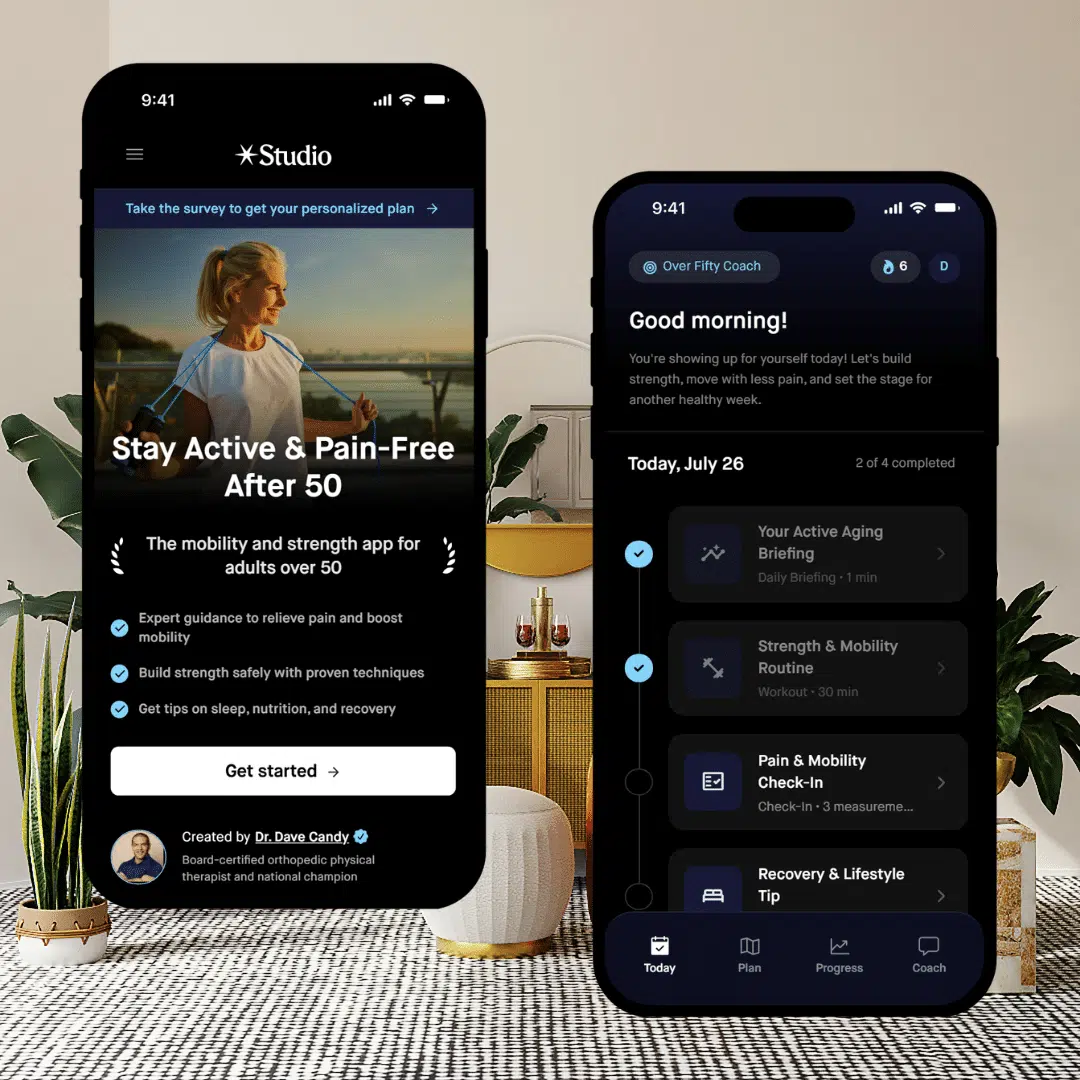
Need Help To Stay Strong and Mobile After 50?
Affiliate Disclosure: This post contains affiliate links to Amazon and/or other sites. While I only recommend products that I trust, as an Amazon Associate, I earn commission from qualifying purchases at no extra cost to you.
Medical Disclaimer: The content on this site is for educational and informational purposes only and is not intended as medical advice. Always consult with a qualified healthcare professional before beginning any new exercise program, diet, or supplement regimen, especially if you have pre-existing health conditions.