
Understanding Hip Flexor Pain
Hip flexor pain can be a significant issue, often stemming from stiff hip flexors that may feel tight despite your best stretching efforts. This discomfort can also lead to lower back pain, affecting your overall mobility and quality of life. It’s crucial to address these issues effectively, and that’s where psoas release tools come into play.
What Causes Hip Flexor Tightness?
The hip flexors consist of several muscles, with the psoas being a primary muscle that connects the lumbar spine to the thigh bone. When these muscles become tight, they can develop knots or trigger points, preventing them from lengthening properly. To alleviate this tension, it’s essential to release these knots before engaging in stretching.
Overview of Psoas Release Tools
In the quest for better hip health, two popular psoas release tools have emerged: the Pso-Rite Psoas Release Tool and the Aletha Health Hip Hook (Mark). Both tools are designed to relieve tension in the hip flexors, but they function differently and have their own pros and cons.
The Pso-Rite
The Pso-Rite is specifically engineered to target the psoas muscle. It’s designed for users to apply pressure directly to the muscle area, allowing for effective release.

How to Use the Pso-Rite Psoas Release Tool:
- Lie on your back with the tool positioned against your stomach.
- Gradually apply pressure, finding the knots in your hip flexors.
- Hold this position for 1.5 to 3 minutes, breathing deeply as you allow the muscle to relax.
While effective, there are limitations. The Pso-Rite primarily targets the psoas and may not reach deeper muscles like the iliacus, which is nestled inside the pelvic bone.
The Hip Hook (Mark)
The Hip Hook offers a different approach. Its smaller design allows for more precision in targeting specific trigger points in the hip flexors.

How to Use the Aletha Hip Hook:
- Position the tool on the ground and lie on it, allowing the hook to fit inside the pelvic area.
- Adjust your knee position to control the pressure applied.
- Similar to the Pso-Rite, hold this position for 1.5 to 3 minutes until the muscle tension lessens.
This tool excels at reaching the iliacus muscle, providing a more comprehensive release of the hip flexors.
Comparative Analysis: Pso-Rite vs. Hip Hook
When comparing the Pso-Rite and the Hip Hook, consider the following:
- Precision: The Hip Hook’s design allows for more targeted pressure, making it easier to address specific trigger points.
- Versatility: The Pso-Rite is effective for general use but falls short regarding deeper muscle access.
- Comfort: Both tools may feel uncomfortable at first, but the Hip Hook tends to provide a more controlled experience.
Pricing Considerations
Price is another factor to weigh when choosing between these tools. The Pso-Rite is priced around $80, while the Hip Hook retails for about $200. Although this may seem steep, consider the cost-effectiveness of these tools compared to multiple sessions with a massage or physical therapist, which could easily exceed $200.
Conclusion: Which Tool is Right for You?
When deciding between the Pso-Rite and the Hip Hook, assess your specific needs. If you require more precise targeting of trigger points, the Hip Hook may be the better choice. For general relief of the psoas muscle, the Pso-Rite is a solid option. Regardless of your choice, remember to follow up your release work with proper stretching to fully benefit from the muscle relaxation achieved.
Investing in these tools can empower you to manage your hip flexor tightness effectively, promoting better mobility and reducing pain over time.
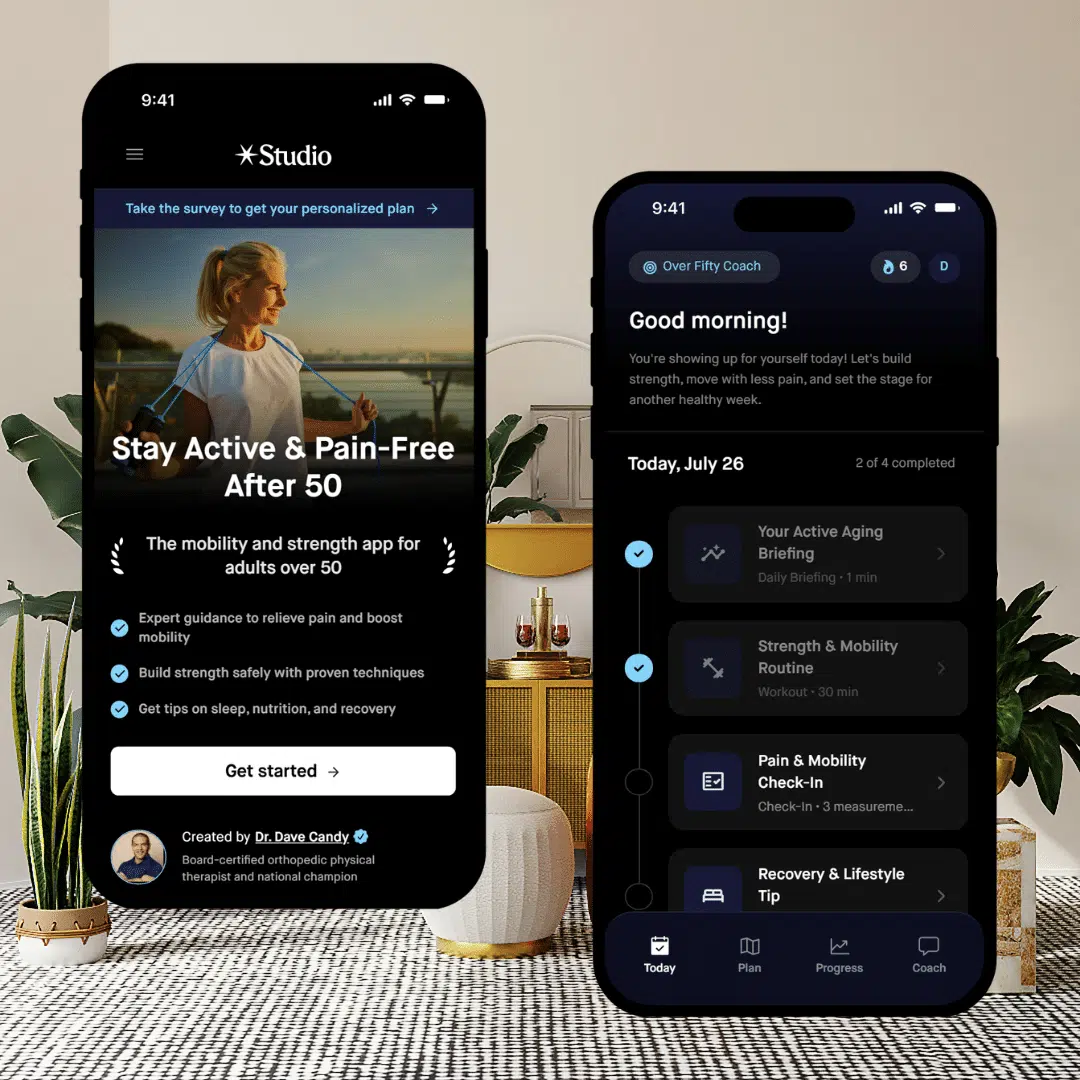
Need Help To Stay Strong and Mobile After 50?
Affiliate Disclosure: This post contains affiliate links to Amazon and/or other sites. While I only recommend products that I trust, as an Amazon Associate, I earn commission from qualifying purchases at no extra cost to you.
Medical Disclaimer: The content on this site is for educational and informational purposes only and is not intended as medical advice. Always consult with a qualified healthcare professional before beginning any new exercise program, diet, or supplement regimen, especially if you have pre-existing health conditions.