
Want to Lower Your Blood Pressure Naturally?
Are you struggling with high blood pressure and relying on medication? You’re not alone. Many individuals seek ways to lower their blood pressure naturally. Recent research suggests that there are effective methods to reduce blood pressure without pills. In this post, we’ll explore a 48-hour protocol that can help you see significant improvements in your blood pressure levels.
Understanding the Role of Salt and Sugar
Traditionally, salt has been viewed as the main culprit behind high blood pressure. However, recent findings indicate that the balance of sodium and potassium is crucial. Additionally, added sugars, especially fructose, play a significant role in raising blood pressure. Fructose triggers insulin spikes, which can constrict blood vessels and lead to elevated blood pressure.
Quick Tip: Eliminate Added Sugars
For the next 48 hours, eliminate all added sugars from your diet. This includes avoiding soda, soft drinks, and checking labels on processed foods. Monitor your blood pressure before and after this experiment to see if you experience a decrease.
Effective Exercises for Blood Pressure Management
Incorporating specific exercises can also aid in lowering blood pressure. One highly effective exercise is the wall sit. A systematic review in Open Heart found that wall sits can significantly reduce systolic blood pressure.
How to Perform Wall Sits
To execute a wall sit, lean against a wall with your feet about 2 feet away from it. Slide down until your thighs are parallel to the ground and hold this position for 2 minutes. Rest for 2 minutes and repeat this for a total of four sets. This can be done throughout the day to help manage your blood pressure.
Try doing this protocol and measure your blood pressure before and after to see how it affects your blood pressure.

Long-Term Nutritional Strategies
While quick fixes are beneficial, long-term strategies are essential for maintaining healthy blood pressure. Focus on reducing saturated and trans fats in your diet, as these contribute to arterial plaque buildup.
Importance of Potassium
Balancing sodium intake with potassium is vital. Good sources of potassium include leafy greens like spinach, beet greens, and Swiss chard, as well as avocados and fatty fish like salmon. These foods can help maintain a healthy sodium-potassium balance in your cells.
Supplementation and Advanced Techniques
Niacin, or vitamin B3, can also aid in blood pressure reduction by promoting vasodilation. However, consult with a healthcare professional before starting any supplementation.
Introducing Blood Flow Restriction Walking
Blood Flow Restriction (BFR) walking is another innovative technique. By using specialized pressure cuffs on your legs to reduce blood flow, you can stimulate nitric oxide release, which helps lower blood pressure. This method tricks your body into thinking it is undergoing intense exercise, even with low-impact walking.

Light Therapy as an Aid
Recent studies suggest that red light and near-infrared light therapy may help lower blood pressure as well. These therapies promote nitric oxide release, enhancing blood vessel dilation. However, more research is needed to confirm these findings.

Conclusion: Your Next Steps
To effectively manage and lower your blood pressure, start by removing added sugars from your diet and incorporating wall sits into your daily routine. Monitor your progress, and consider advanced techniques like BFR walking or light therapy for additional benefits. With commitment and the right strategies, you can achieve healthier blood pressure levels.
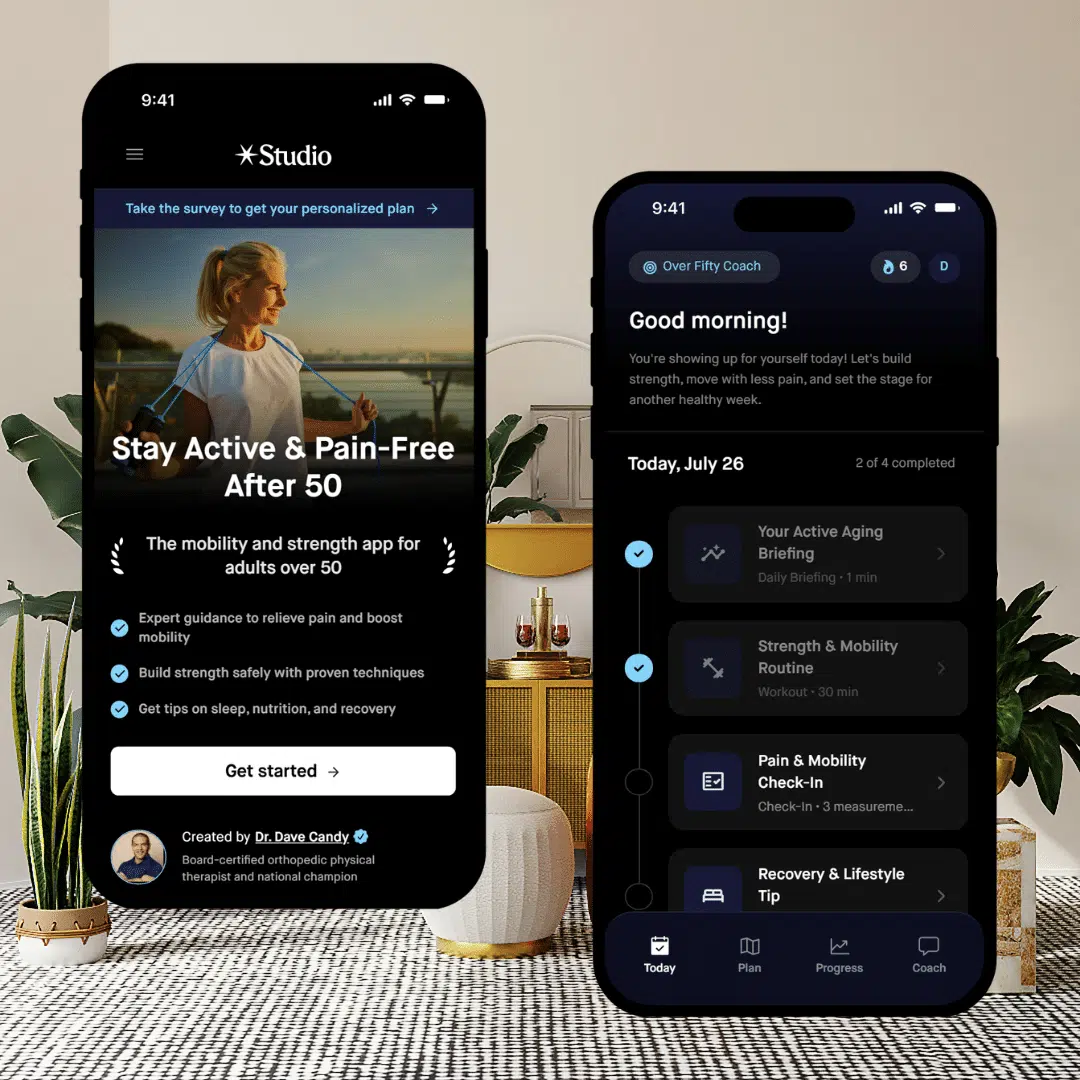
Need Help To Stay Strong and Mobile After 50?
Affiliate Disclosure: This post contains affiliate links to Amazon and/or other sites. While I only recommend products that I trust, as an Amazon Associate, I earn commission from qualifying purchases at no extra cost to you.
Medical Disclaimer: The content on this site is for educational and informational purposes only and is not intended as medical advice. Always consult with a qualified healthcare professional before beginning any new exercise program, diet, or supplement regimen, especially if you have pre-existing health conditions.