
Understanding Shoulder Pain When Reaching Forward
Do you experience shoulder pain when reaching forward, such as grabbing an item from a cabinet or the back of your fridge? This discomfort can stem from the mechanics of your shoulder joint, particularly during shoulder flexion. As you reach away from your body, the lever arm increases, creating more torque and stress on your shoulder muscles, especially the rotator cuff.
Tip 1: Get Close to What You’re Reaching For
The first step to alleviate shoulder pain when reaching forward is to get as close to the item as possible, particularly when lifting something heavy. While this may not always be feasible, such as when retrieving a gallon of milk from the back of the fridge, it’s crucial to minimize the distance of your reach.
Understanding Lever Arm Mechanics
When you hold a weight close to your body, the lever arm is short, making the movement easier on your joints. However, reaching farther out increases the torque and pressure on your shoulder, leading to pain. Always try to position yourself closer to the object you wish to lift.
Tip 2: Focus on Shoulder Blade Movement
The second tip involves understanding the movement of your shoulder blade as you reach forward. This movement, known as protraction, engages both your chest muscles and the serratus anterior—a muscle that helps stabilize and support the shoulder blade.
Strengthening the Serratus Anterior
To strengthen your serratus anterior, try this exercise: Stand facing a wall in a push-up position, with your arms extended. While maintaining your position, press outwards against the wall. This movement, often referred to as the ‘Plus’, will help engage the serratus anterior and promote proper shoulder blade movement.
Tip 3: Adjust Your Arm Position
The third factor contributing to shoulder pain when reaching forward is the position of your palm. Many individuals instinctively reach with their palm down, which can lead to internal rotation of the shoulder and potentially pinch the rotator cuff tendons. Instead, try reaching with your palm up and your elbow in to reduce this risk.
Practicing the Correct Reach
To practice this movement, start with your elbow at your side and gradually extend your arm forward while keeping your palm up. This will encourage scapular protraction and proper shoulder alignment. If this movement causes pain, limit your range of motion to the point where you feel comfortable.
Enhancing Your Reach with Weight
Once you are comfortable with the basic movement, you can add light weights to increase the challenge. Remember, even a few pounds can amplify torque on your shoulder, so start with minimal resistance and gradually increase as your strength improves.
Next Steps for Shoulder Pain Relief
By following these three simple steps—getting closer to your target, focusing on shoulder blade movement, and adjusting your arm position—you can effectively reduce shoulder pain when reaching forward. If these strategies do not bring relief, consider consulting a physical therapist for personalized guidance. Your journey to pain-free movement starts now!
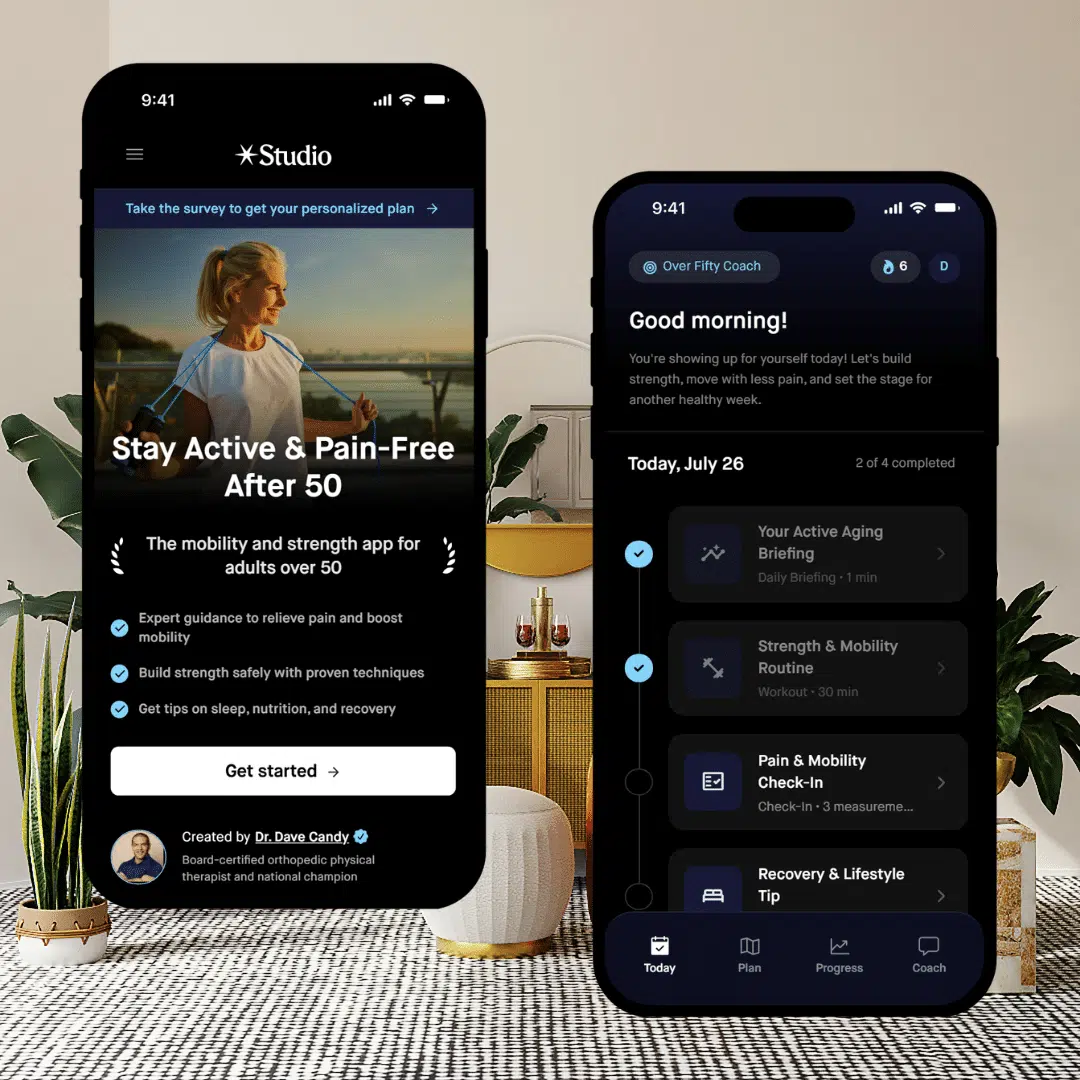
Need Help To Stay Strong and Mobile After 50?
Affiliate Disclosure: This post contains affiliate links to Amazon and/or other sites. While I only recommend products that I trust, as an Amazon Associate, I earn commission from qualifying purchases at no extra cost to you.
Medical Disclaimer: The content on this site is for educational and informational purposes only and is not intended as medical advice. Always consult with a qualified healthcare professional before beginning any new exercise program, diet, or supplement regimen, especially if you have pre-existing health conditions.