
Understanding SI Joint Pain
If you suffer from SI joint pain, also known as sacroiliac joint pain, avoiding certain treatments can significantly impact your recovery. Dr. Dave Candy emphasizes the importance of understanding how to manage this condition effectively. One common mistake is relying on frequent manipulations from chiropractors or physical therapists, which may lead to increased instability of the joint.
The Nature of the SI Joint
The sacroiliac joint is a stable structure that allows limited movement. It typically moves only about 1 to 3 millimeters, making it inherently stable due to its unique shape and the ligaments surrounding it. However, instability can occur when ligaments are stretched through injury or hormonal changes during pregnancy, leading to pain and discomfort.
What to Avoid with SI Joint Pain
While occasional manipulation can provide relief, frequent adjustments can exacerbate instability. Each time the joint is manipulated, it may stretch the ligaments further, increasing the likelihood of locking up or slipping out of place. Instead of relying on manipulations, it’s crucial to adopt alternative methods for managing and stabilizing the SI joint.
Gentle Self-Care Techniques
To unlock the SI joint on your own, try the following technique:
- Lie on your back near the edge of a bed.
- Pull the long leg towards your chest and let the shorter leg drop off the bed.
- Use your hands to pull the leg up while kicking your thigh into your hands, activating the gluteal muscles.
- Hold for five seconds, relax, and repeat for about ten repetitions.
If you do not notice improvement, try the technique on the opposite side.
Stabilizing the SI Joint
Once the joint is unlocked, it’s essential to stabilize it to prevent future issues. This can be achieved through exercises that strengthen the core and gluteal muscles:
Transverse Abdominis Activation
Start by lying on your back and drawing your belly button in to flatten your lower back. Hold for five seconds, then relax. Aim to maintain this slight contraction throughout the day.
Bridge Exercise
- Lie on your back with your knees bent.
- Draw in your abdomen and push your heels down, lifting your glutes without arching your lower back.
- Hold for five to ten seconds and repeat for ten repetitions.
Improving Hip Mobility
Another critical aspect of managing SI joint pain is ensuring that your hips have adequate mobility. Limited hip movement can force the SI joint to compensate, leading to pain.
Hip Mobility Exercises
Here are some exercises to improve hip mobility:
- Rocking on All Fours: Start on all fours and find a neutral spine position. Sit back towards your heels while maintaining spinal alignment.
- Piriformis Stretch: Cross one leg over the other and gently push down on the knee of the crossed leg while keeping your back straight.
- Hip Flexor Stretch: Kneel on one knee and drive your hips forward, keeping your back straight to stretch the hip flexors.
Stretch only the side that feels tighter to avoid creating an imbalance.
Functional Movements
As you progress, it’s essential to reintegrate functional activities like squatting and lunging into your routine. Focus on maintaining proper form and stability throughout these movements.
Squatting Technique
When squatting, aim to keep your spine neutral and sit back onto your heels, just as you practiced during the all-fours exercise.
Lunging Technique
In a lunge, keep 80-90% of your weight on the front leg and ensure proper back leg position to avoid excessive strain.
Final Thoughts
Before attempting to fix your SI joint problem, make sure that the pain is genuinely from the SI joint and not referred from other areas of the body. If you’re uncertain, consider consulting a professional for a thorough evaluation. By avoiding frequent manipulations and focusing on self-care techniques and stabilization exercises, you can effectively manage your SI joint pain and regain mobility.
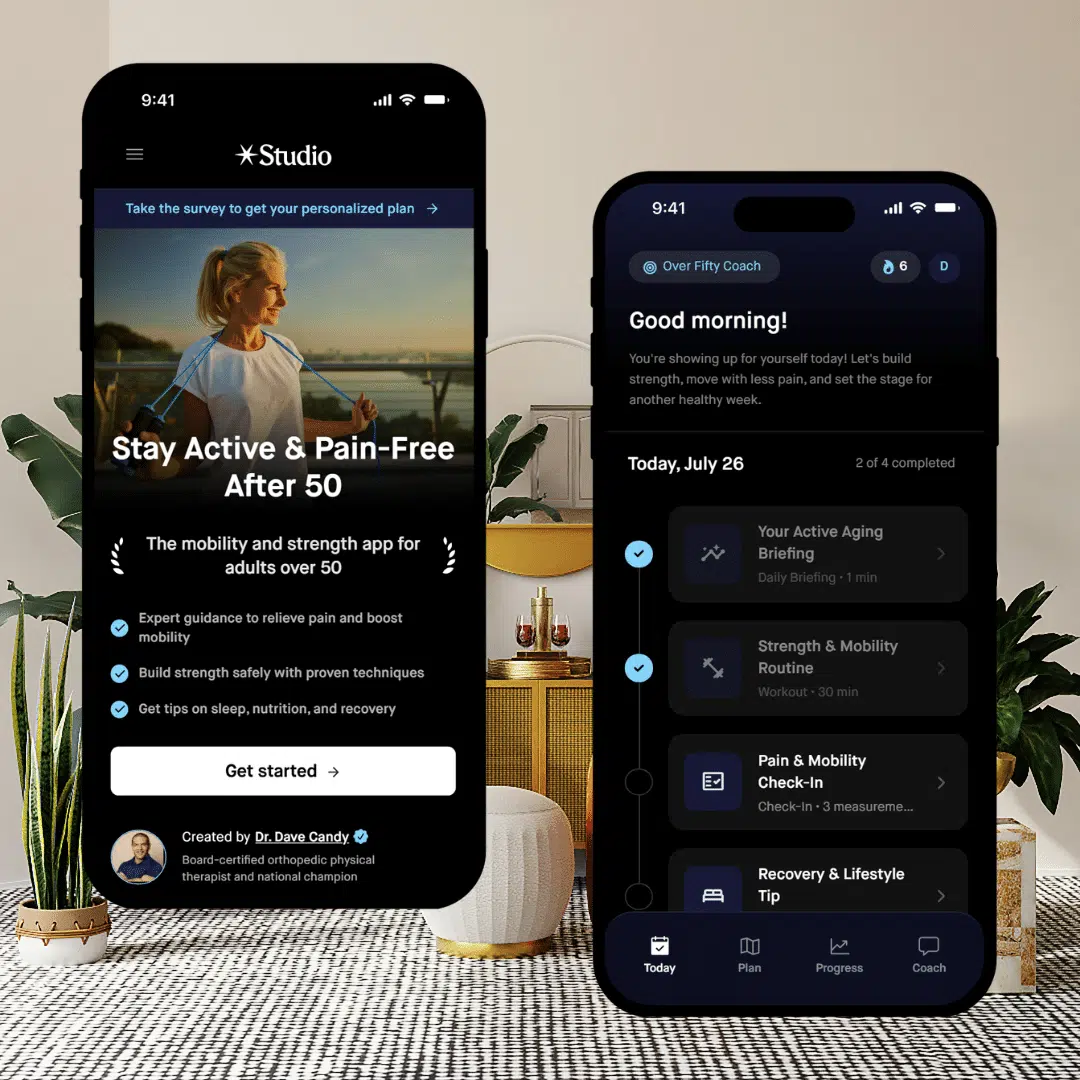
Need Help To Stay Strong and Mobile After 50?
Affiliate Disclosure: This post contains affiliate links to Amazon and/or other sites. While I only recommend products that I trust, as an Amazon Associate, I earn commission from qualifying purchases at no extra cost to you.
Medical Disclaimer: The content on this site is for educational and informational purposes only and is not intended as medical advice. Always consult with a qualified healthcare professional before beginning any new exercise program, diet, or supplement regimen, especially if you have pre-existing health conditions.