
Introduction to Safe Squatting
Squatting is often misunderstood as a harmful exercise for the back and knees. However, with proper technique, anyone can squat safely, even those with arthritis. In this post, we’ll explore how to squat without back or knee pain, ensuring you maintain your mobility and strength at any age.
Understanding the Squat
The squat is not just a leg exercise; it’s a full-body movement that engages your core and helps with balance. Many people think of squatting as a straightforward up-and-down motion, but it involves nuanced movements that require attention to your body’s mechanics.
Finding Your Center of Gravity
Before performing a squat, it’s crucial to understand your center of gravity. This point will shift based on the type of squat you’re doing—whether it’s a bodyweight squat, back squat, or front squat. Always ensure your center of gravity is aligned over your feet to minimize the risk of injury.
Setting Up Your Squat Position
1. **Foot Position**: Start by finding a comfortable stance. Your feet should be positioned in a way that feels natural. Some people may need to point their toes slightly outward, while others can keep them straight ahead.
2. **Knee Alignment**: As you squat, ensure your knees are aligned over your toes. This alignment is essential for preventing injuries, particularly in those with knee issues.
3. **Spine Position**: Maintain a neutral spine throughout the movement. Avoid excessive arching or rounding of your back, as this can lead to discomfort.
Executing the Squat
To squat effectively, follow these steps:
- Begin the Movement: Initiate the squat by pushing your hips back slightly. This movement should feel natural and balanced.
- Drop Straight Down: As you lower yourself, keep your weight distributed evenly between your heels and toes. This balance helps engage your muscles effectively.
- Maintain Alignment: Keep your knees driven out to prevent them from collapsing inward. This is crucial for maintaining proper form.
- Return to Standing: Drive through your heels to return to the standing position, keeping your core engaged and spine neutral.
Modifications for Different Skill Levels
If you’re new to squatting or have mobility issues, start with modified versions:
- Chair Squats: Perform mini squats in front of a chair, using the chair for support if needed.
- Counterbalance Squats: Extend your arms in front of you to help maintain balance while squatting.
- Dumbbell Assistance: Use one or two dumbbells to help shift your center of gravity lower, making the squat easier to perform.
Common Mistakes to Avoid
Being aware of common squatting mistakes can further reduce your risk of injury:
- Avoid allowing your back to arch excessively or round out.
- Don’t let your knees cave inward; always drive them outwards.
- Be cautious of your foot placement—too much weight on the inside or outside of your feet can lead to instability.
Conclusion: Your Next Steps
Incorporating squats into your routine can significantly enhance your strength and mobility. Start with the techniques outlined above, and gradually increase the intensity as your confidence and ability improve. Remember, squatting safely is achievable for everyone, regardless of age or fitness level. If you’re uncertain, consider consulting with a physical therapist to refine your technique further.
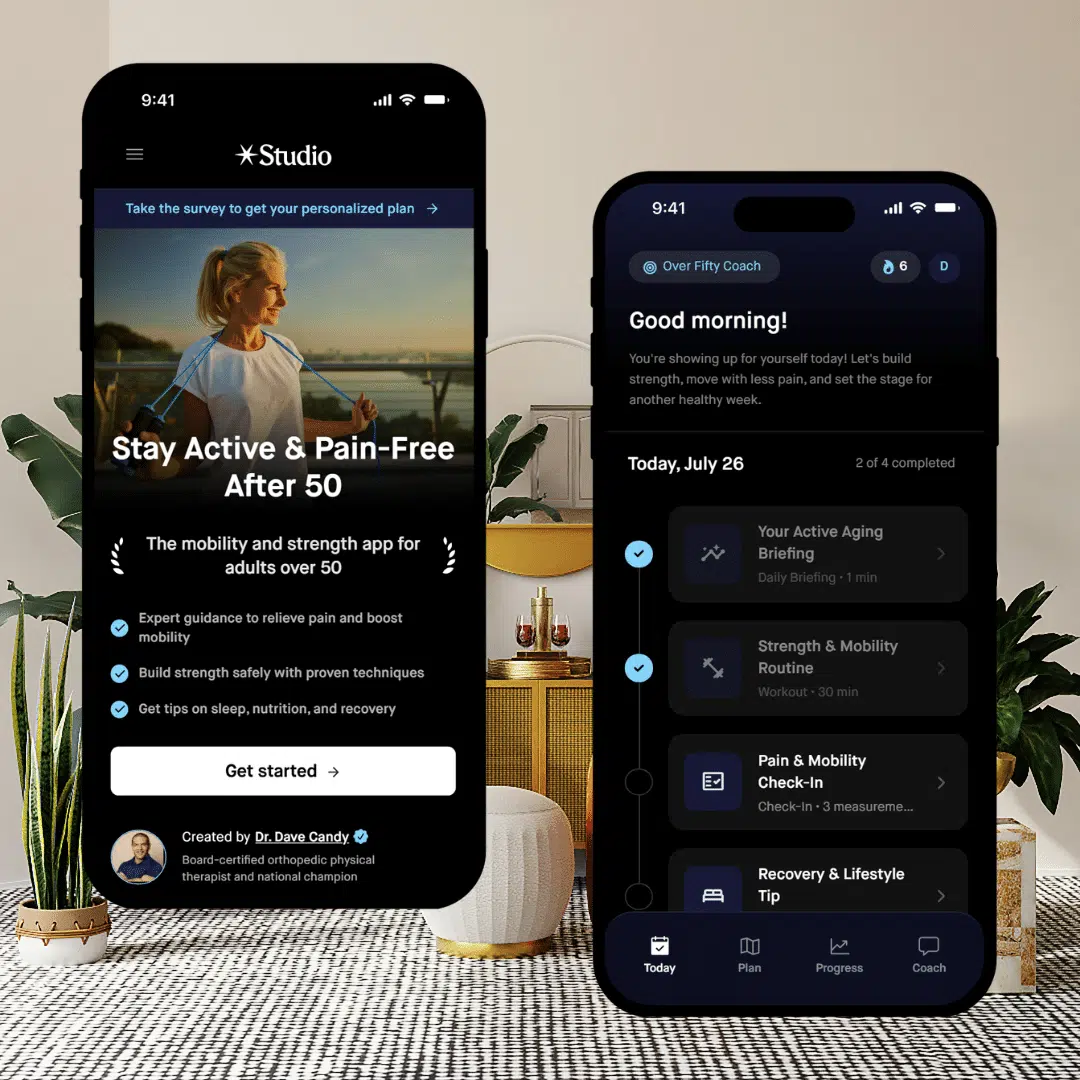
Need Help To Stay Strong and Mobile After 50?
Affiliate Disclosure: This post contains affiliate links to Amazon and/or other sites. While I only recommend products that I trust, as an Amazon Associate, I earn commission from qualifying purchases at no extra cost to you.
Medical Disclaimer: The content on this site is for educational and informational purposes only and is not intended as medical advice. Always consult with a qualified healthcare professional before beginning any new exercise program, diet, or supplement regimen, especially if you have pre-existing health conditions.